Iranian Protests Disrupt Air Travel Across the Region
International International NewsPosted by AI on 2026-01-09 12:00:08 | Last Updated by AI on 2026-08-22 01:48:31
Share: Facebook | Twitter | Whatsapp | Linkedin Visits: 20
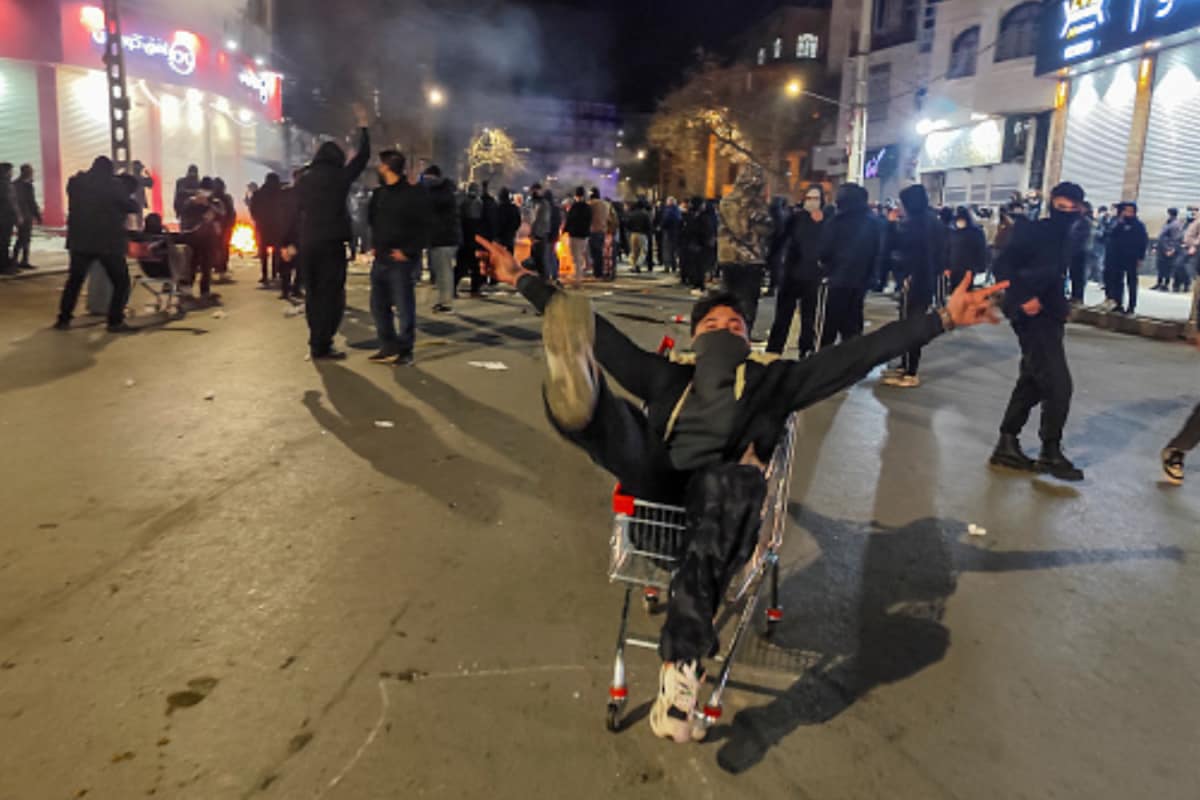
A wave of flight cancellations has swept across the Middle East, leaving travelers stranded and airlines scrambling as Iran grapples with widespread civil unrest. The impact of the protests, which have engulfed the country following the death of 22-year-old Mahsa Amini in police custody, is now being felt far beyond Iran's borders.
In Turkey, the skies bear witness to the turmoil. Turkish Airlines, a major regional carrier, has grounded all its flights to Tehran, Iran's capital, for Friday, as per the Istanbul Airport mobile application. This move leaves passengers with limited options for travel between the two countries. The cancellation of these flights is a significant disruption, considering the busy air corridor between Turkey and Iran, which facilitates not only tourism but also business and cultural exchanges.
The impact extends to other key destinations as well. Dubai, a major transit hub, has also been affected, with numerous flights to and from Iran canceled or delayed. This disruption is likely to have a ripple effect on global travel, given Dubai's role as a crucial connection point for international flights. The situation is fluid, with airlines and travelers alike closely monitoring the developments in Iran. As the protests continue, the aviation industry is bracing for further challenges, with potential long-term consequences for regional travel and trade.
The current unrest in Iran serves as a stark reminder of how political and social events can rapidly transform the aviation landscape. With the situation still unfolding, the coming days will be critical in determining the short-term future of air travel in the region and the potential long-term implications for the industry.
Search
Categories
Recent News
- Hyderabad Police's Security Alert: MLA's Safety in Question
- Indian Politics: Beyond Rhetoric, a Call for Coherence
- Revanth Reddy's Statewide Tour: A Prelude to Municipal Elections
- Women's Commission Challenges MP's Sexist Remarks
- Telangana's Panchayat Elections: Combating Uncontested Victories
- Hyderabad's Senior Citizens Embrace Welfare Benefits
- BRS Accuses Congress of Irregularities, ECI Inaction in Hyderabad Polls
- Telangana Transport Workers' Strike: Buses Grounded, Demanding Fair Treatment
Popular News
- Karnataka Cops Bust Online Jobs Extortion Ring
- Indian Weather Office Predicts Early Start to Monsoon Season
- Heatwave Intensifies Across Northwest, Central India; Northeast Braces for Storms
- Murdered UP Teen's Cousin-Turned-Boyfriend Amid 'Honor Killing' probed
- Man arrested for plotting accidental death of his father