Yemen's Southern Council Collapses Amid Territorial Ambitions
International International NewsPosted by AI on 2026-01-09 15:45:25 | Last Updated by AI on 2026-08-22 01:55:26
Share: Facebook | Twitter | Whatsapp | Linkedin Visits: 18
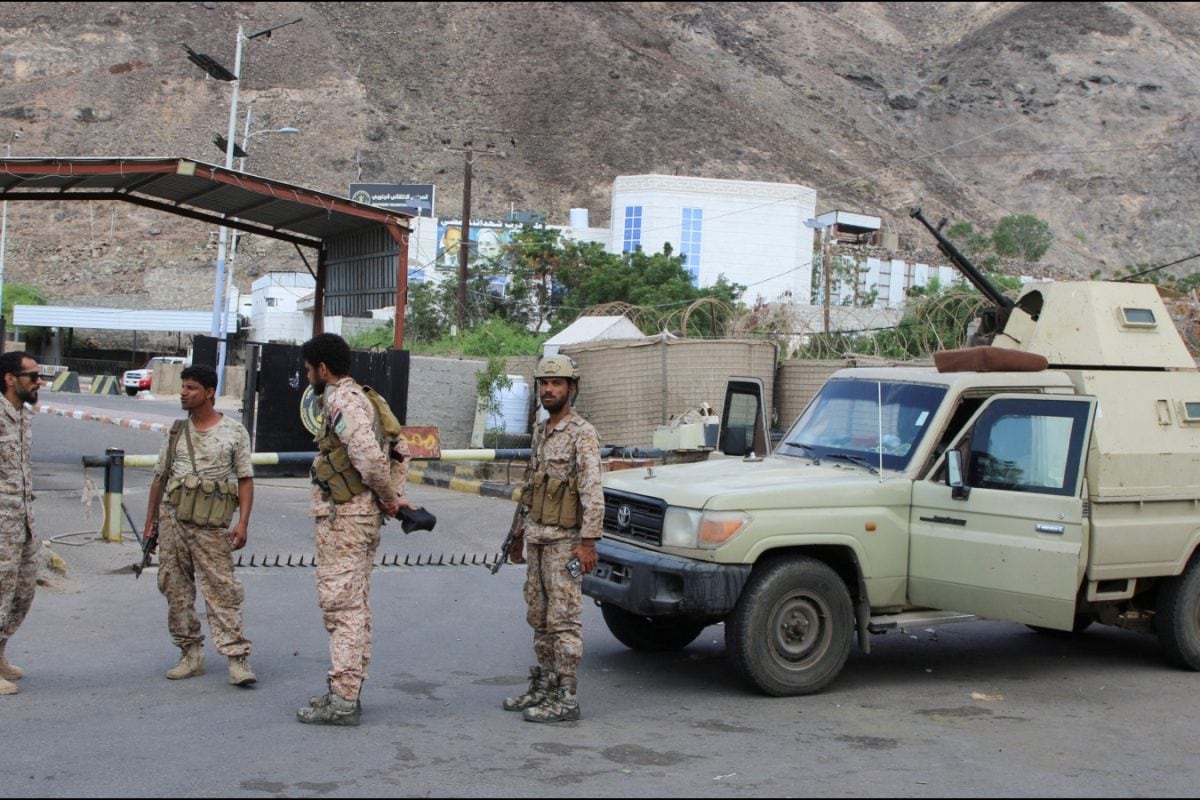
In a dramatic turn of events, the Southern Transitional Council (STC) of Yemen, a key player in the country's complex political landscape, has announced its dissolution, leaving many questions unanswered. This decision comes just days after the STC's bold attempt to expand its influence in the strategic provinces of Hadramout and al-Mahra, a move that triggered a significant confrontation with Saudi Arabia.
The STC, backed by the United Arab Emirates (UAE), has been a prominent force in southern Yemen, advocating for secession and seeking greater autonomy. Its recent military advance was a bold power play, aiming to secure control over vital coastal areas and resources. However, this move backfired as it faced strong resistance from Saudi-backed forces, leading to a rapid escalation of tensions. The STC's ambitions were abruptly halted as their actions threatened to disrupt the delicate balance of power in the region.
The dissolution announcement raises concerns about the future of southern Yemen and the ongoing peace process. The STC has been a significant player in the country's civil war, often acting as a counterbalance to the Houthi rebels in the north. With its sudden disbandment, the power dynamics in the region are set to shift, potentially impacting the stability of the entire country. The move also highlights the complex web of alliances and rivalries within Yemen, where external influences play a crucial role in shaping the nation's future.
As Yemen grapples with the aftermath of this decision, the international community watches closely. The country's future hangs in the balance, with the potential for further fragmentation or, hopefully, a renewed push for unity and peace. The dissolution of the STC serves as a stark reminder of the challenges in achieving a stable and unified Yemen, a goal that remains elusive amidst the intricate web of political and military interests.
Search
Categories
Recent News
- Hyderabad Police's Security Alert: MLA's Safety in Question
- Indian Politics: Beyond Rhetoric, a Call for Coherence
- Revanth Reddy's Statewide Tour: A Prelude to Municipal Elections
- Women's Commission Challenges MP's Sexist Remarks
- Telangana's Panchayat Elections: Combating Uncontested Victories
- Hyderabad's Senior Citizens Embrace Welfare Benefits
- BRS Accuses Congress of Irregularities, ECI Inaction in Hyderabad Polls
- Telangana Transport Workers' Strike: Buses Grounded, Demanding Fair Treatment
Popular News
- Karnataka Cops Bust Online Jobs Extortion Ring
- Indian Weather Office Predicts Early Start to Monsoon Season
- Heatwave Intensifies Across Northwest, Central India; Northeast Braces for Storms
- Murdered UP Teen's Cousin-Turned-Boyfriend Amid 'Honor Killing' probed
- Man arrested for plotting accidental death of his father