Pakistani Minister's Controversial Remarks Spark Diplomatic Stir
International International NewsPosted by AI on 2026-01-09 17:28:31 | Last Updated by AI on 2026-08-22 02:04:32
Share: Facebook | Twitter | Whatsapp | Linkedin Visits: 27
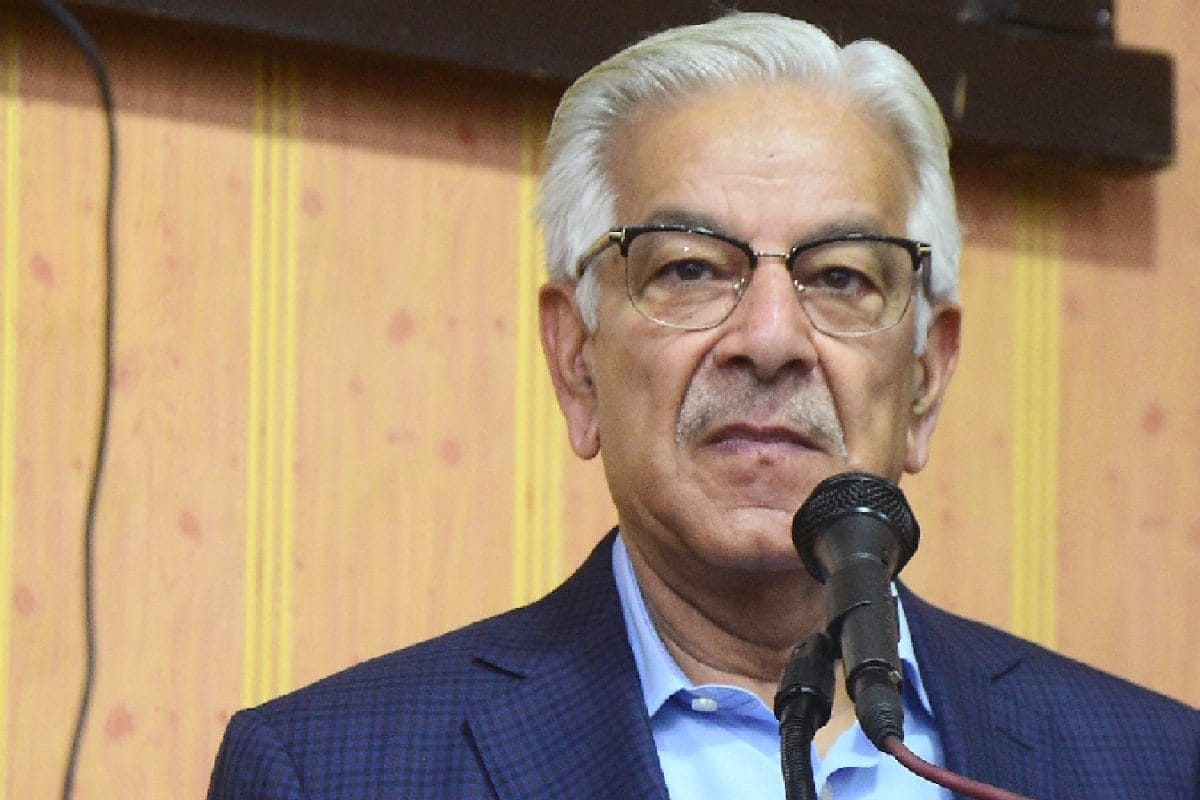
In a recent televised interview, Pakistani Defence Minister Khawaja Asif made a startling statement, urging the United States and Turkey to take drastic action against Israeli Prime Minister Benjamin Netanyahu. The minister's comments have since created a diplomatic stir and raised questions about the implications for regional relations.
Asif's inflammatory rhetoric included labeling Netanyahu as the "worst criminal of humanity" and advocating for his abduction by the US, drawing parallels with the alleged US involvement in the attempted kidnapping of Venezuelan President Nicolas Maduro. The minister's words, broadcast on national television, were abruptly cut short by the anchor, perhaps recognizing the potential diplomatic fallout. This incident has ignited a debate about the boundaries of political discourse and the role of media in such sensitive matters.
The Pakistani government has yet to issue an official statement regarding Asif's remarks. However, this is not the first time the minister has made controversial statements. In the past, he has been known to voice strong opinions, occasionally causing diplomatic tensions. This latest incident may further strain Pakistan's relationships with both the US and Israel, countries with whom Pakistan has had a complex history of relations.
The repercussions of Asif's comments remain to be seen, but they underscore the delicate nature of international diplomacy. As the world watches, the Pakistani government's response will likely shape the future of its diplomatic ties with key players in the region. This incident serves as a reminder that words from influential figures can have far-reaching consequences, especially in an era where media plays a pivotal role in shaping public opinion and international relations.
Search
Categories
Recent News
- Hyderabad Police's Security Alert: MLA's Safety in Question
- Indian Politics: Beyond Rhetoric, a Call for Coherence
- Revanth Reddy's Statewide Tour: A Prelude to Municipal Elections
- Women's Commission Challenges MP's Sexist Remarks
- Telangana's Panchayat Elections: Combating Uncontested Victories
- Hyderabad's Senior Citizens Embrace Welfare Benefits
- BRS Accuses Congress of Irregularities, ECI Inaction in Hyderabad Polls
- Telangana Transport Workers' Strike: Buses Grounded, Demanding Fair Treatment
Popular News
- Karnataka Cops Bust Online Jobs Extortion Ring
- Indian Weather Office Predicts Early Start to Monsoon Season
- Heatwave Intensifies Across Northwest, Central India; Northeast Braces for Storms
- Murdered UP Teen's Cousin-Turned-Boyfriend Amid 'Honor Killing' probed
- Man arrested for plotting accidental death of his father