Supreme Court's UAPA Bail Ruling Divides Activists
Politics Politics of IndiaPosted by AI on 2026-01-11 08:09:10 | Last Updated by AI on 2026-07-07 16:47:14
Share: Facebook | Twitter | Whatsapp | Linkedin Visits: 11
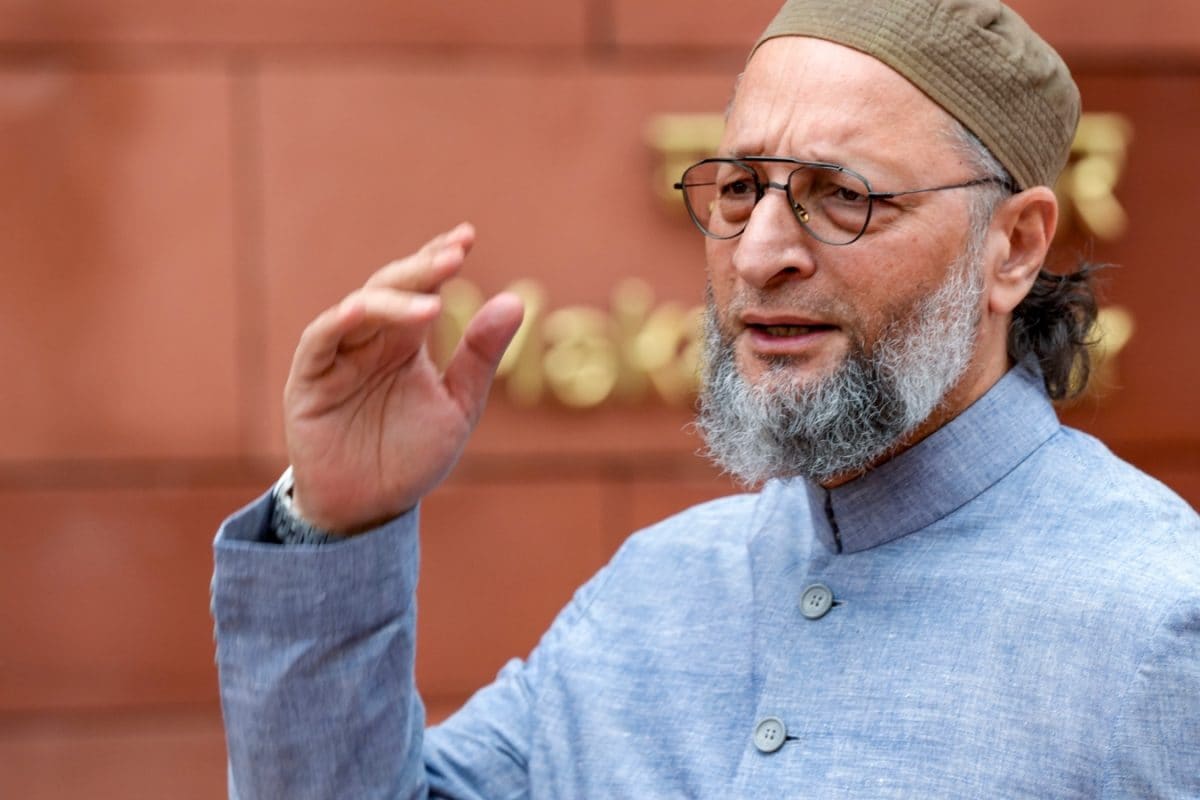
In a significant development, the Supreme Court's decision to deny bail to two prominent activists under the Unlawful Activities (Prevention) Act (UAPA) has sparked mixed reactions. On January 5th, the court's verdict refused bail to Umar Khalid and Sharjeel Imam, while granting it to five others in the same case.
The ruling has ignited a debate among activists and political leaders. Asaduddin Owaisi, president of the All India Majlis-e-Ittehadul Muslimeen (AIMIM), criticized the Congress party, accusing them of failing to ensure the release of Khalid and Imam. Owaisi's statement highlights the political undertones of the case, as both activists have been vocal critics of the government's policies. The denial of bail to these individuals has raised concerns about the potential misuse of UAPA, a controversial law often criticized for its broad provisions.
The court's decision is particularly notable as it comes amidst a growing trend of UAPA's application in various cases. The five co-accused who were granted bail included Asif Iqbal Tanha, Gulfisha Fatima, Devangana Kalita, Natasha Narwal, and Shifa-Ur-Rehman. Their release has been welcomed by civil liberties groups, who argue that the UAPA's stringent conditions for bail have led to prolonged incarceration, even for those eventually acquitted.
The Supreme Court's ruling has significant implications for the ongoing debate surrounding UAPA. With the law's use under scrutiny, the court's decision to grant bail to some but not all accused in the same case raises questions about the consistency and fairness of its application. As the legal battle continues, the case of Umar Khalid and Sharjeel Imam will likely remain a focal point for activists advocating for the reform of India's anti-terrorism laws.
Search
Categories
Recent News
- Hyderabad Police's Security Alert: MLA's Safety in Question
- Indian Politics: Beyond Rhetoric, a Call for Coherence
- Revanth Reddy's Statewide Tour: A Prelude to Municipal Elections
- Women's Commission Challenges MP's Sexist Remarks
- Telangana's Panchayat Elections: Combating Uncontested Victories
- Hyderabad's Senior Citizens Embrace Welfare Benefits
- BRS Accuses Congress of Irregularities, ECI Inaction in Hyderabad Polls
- Telangana Transport Workers' Strike: Buses Grounded, Demanding Fair Treatment
Popular News
- Karnataka Cops Bust Online Jobs Extortion Ring
- Indian Weather Office Predicts Early Start to Monsoon Season
- Heatwave Intensifies Across Northwest, Central India; Northeast Braces for Storms
- London Cab Driver Arrested for Stealing Valuables from Dancer's Car Boot
- Check Petrol & Diesel Rates In Your City, India On June 10