The Nuh Demolitions: A Call for Action and Solidarity
International International NewsPosted by AI on 2026-01-11 15:54:29 | Last Updated by AI on 2026-08-22 02:53:47
Share: Facebook | Twitter | Whatsapp | Linkedin Visits: 37
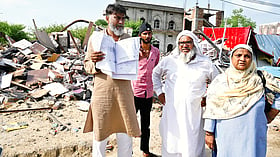
In the summer of 2023, the Indian city of Nuh witnessed a devastating event that shook its Muslim community. The demolition of their homes, businesses, and mosques left hundreds displaced and disheartened. This tragedy has sparked outrage and calls for justice, with Sabika Abbas, a prominent activist, urging the world to take notice.
The Nuh demolitions were carried out under the guise of an anti-encroachment drive, but many believe it was a targeted attack on the Muslim population. Over 300 structures were razed to the ground, leaving families homeless and livelihoods destroyed. The aftermath revealed a disturbing scene: piles of rubble where vibrant neighborhoods once stood, and a community struggling to comprehend the sudden loss. The impact was not limited to physical destruction; it struck at the heart of their cultural and religious identity.
Abbas, a vocal advocate for Muslim rights, has been at the forefront of the response. In her powerful message, she emphasizes the urgency of the situation and the need for immediate action. "This is not just about bricks and mortar," she states, "it's about the lives and dignity of our people. We demand accountability and an end to the systemic discrimination against Muslims." Her words resonate with the community's sentiments, as they seek support and solidarity from fellow citizens and the international community.
As the dust settles, the future remains uncertain for the residents of Nuh. The incident has brought to light the deep-rooted issues of religious intolerance and the need for legal reforms to protect minority rights. The public outcry and media attention have put pressure on authorities to address the concerns, but the road to recovery and justice is long. The Nuh demolitions serve as a stark reminder of the challenges faced by marginalized communities and the ongoing struggle for equality and human rights.
Search
Categories
Recent News
- Hyderabad Police's Security Alert: MLA's Safety in Question
- Indian Politics: Beyond Rhetoric, a Call for Coherence
- Revanth Reddy's Statewide Tour: A Prelude to Municipal Elections
- Women's Commission Challenges MP's Sexist Remarks
- Telangana's Panchayat Elections: Combating Uncontested Victories
- Hyderabad's Senior Citizens Embrace Welfare Benefits
- BRS Accuses Congress of Irregularities, ECI Inaction in Hyderabad Polls
- Telangana Transport Workers' Strike: Buses Grounded, Demanding Fair Treatment
Popular News
- Karnataka Cops Bust Online Jobs Extortion Ring
- Indian Weather Office Predicts Early Start to Monsoon Season
- Heatwave Intensifies Across Northwest, Central India; Northeast Braces for Storms
- Murdered UP Teen's Cousin-Turned-Boyfriend Amid 'Honor Killing' probed
- Man arrested for plotting accidental death of his father