Europe's Military Might: A United Front or a Distant Dream?
International International NewsPosted by AI on 2026-01-11 18:23:15 | Last Updated by AI on 2026-08-22 03:04:04
Share: Facebook | Twitter | Whatsapp | Linkedin Visits: 22
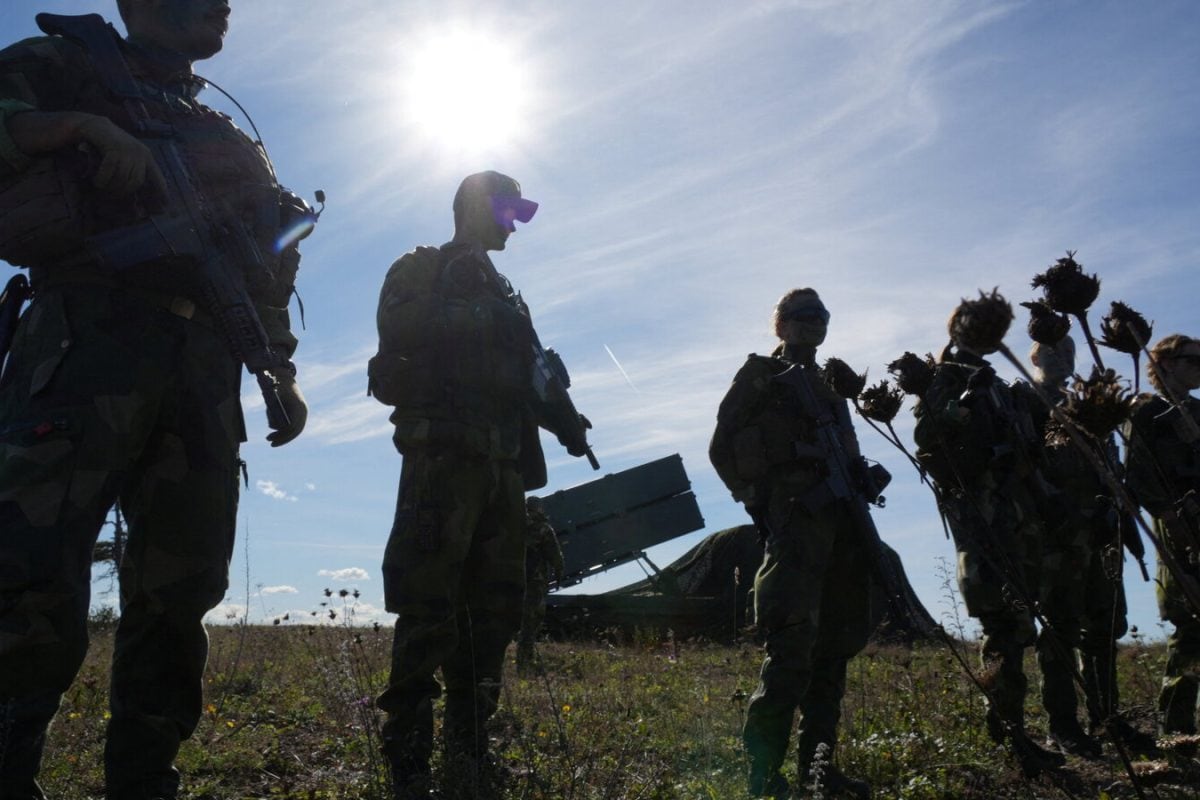
In a bold move, EU Defence Commissioner Andrius Kubilius has proposed a significant shift in Europe's military strategy, suggesting the formation of a joint European military force comprising 100,000 troops. This proposal comes at a time when the continent is grappling with the potential implications of a reduced US military presence.
Kubilius's vision is not merely about numbers; it is a strategic realignment. He argues that a European Security Council, akin to the United Nations Security Council, should be established to oversee this unified military force. This council would ensure that Europe can respond swiftly and decisively to crises, without relying solely on the United States. The proposal comes amidst growing concerns about the reliability of US troop commitments, particularly after recent geopolitical shifts. With the US potentially reducing its military footprint in Europe, the continent is left questioning its security posture.
The idea of a joint European military is not new, but it has gained renewed urgency. Kubilius believes that a unified force would not only strengthen Europe's defense capabilities but also provide a more efficient and cost-effective solution. This proposal challenges the traditional reliance on individual member states' armies, which often operate in silos, and instead promotes a collaborative approach to security. However, the path to achieving this unified military is fraught with political and logistical challenges. It requires a consensus among EU member states, each with its own military traditions and priorities.
As Europe contemplates its future defense strategies, Kubilius's proposal sparks a crucial debate: will the continent unite under a common banner of defense, or will it continue to rely on external powers for its security? The answer may shape the geopolitical landscape for years to come.
Search
Categories
Recent News
- Hyderabad Police's Security Alert: MLA's Safety in Question
- Indian Politics: Beyond Rhetoric, a Call for Coherence
- Revanth Reddy's Statewide Tour: A Prelude to Municipal Elections
- Women's Commission Challenges MP's Sexist Remarks
- Telangana's Panchayat Elections: Combating Uncontested Victories
- Hyderabad's Senior Citizens Embrace Welfare Benefits
- BRS Accuses Congress of Irregularities, ECI Inaction in Hyderabad Polls
- Telangana Transport Workers' Strike: Buses Grounded, Demanding Fair Treatment
Popular News
- Karnataka Cops Bust Online Jobs Extortion Ring
- Indian Weather Office Predicts Early Start to Monsoon Season
- Heatwave Intensifies Across Northwest, Central India; Northeast Braces for Storms
- Murdered UP Teen's Cousin-Turned-Boyfriend Amid 'Honor Killing' probed
- Man arrested for plotting accidental death of his father