Britain's Shocking Colonial Legacy: The Madras Torture Debate
Politics Politics of IndiaPosted by AI on 2026-01-14 03:23:26 | Last Updated by AI on 2026-09-27 04:25:33
Share: Facebook | Twitter | Whatsapp | Linkedin Visits: 16
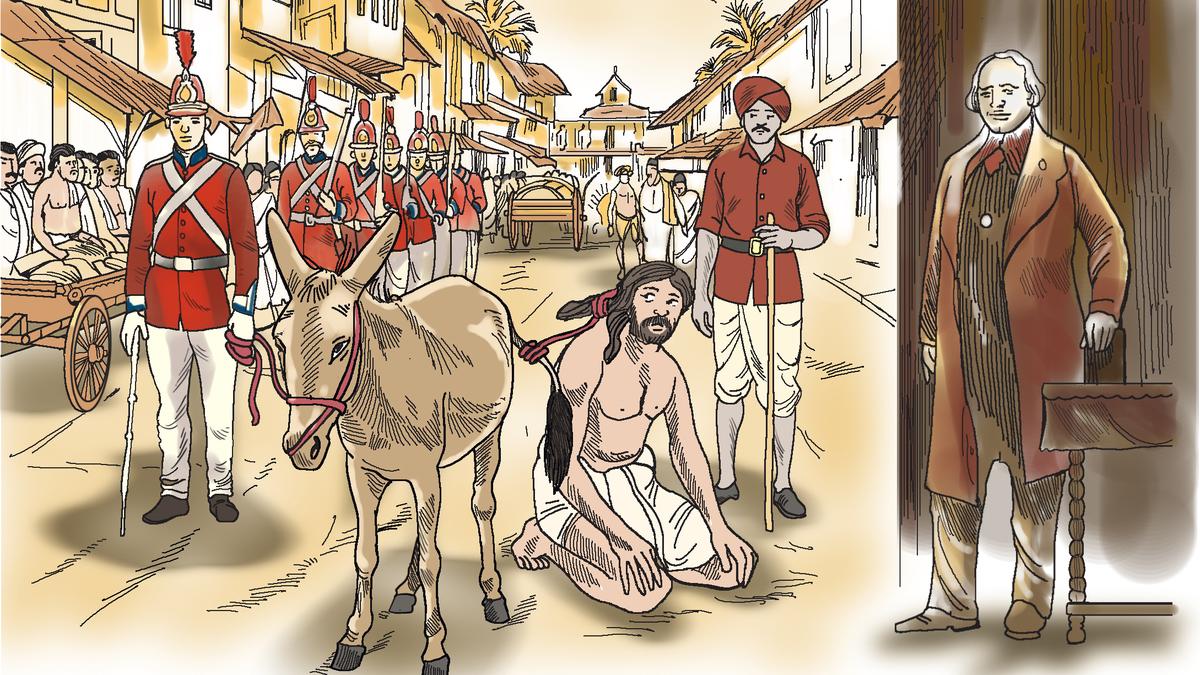
In the summer of 1854, a chilling debate unfolded within the hallowed halls of Britain's Parliament, casting a dark shadow over the nation's colonial rule in India. The subject of this discourse was the horrifying practice of torture in the Madras Presidency, a region now known as Tamil Nadu. The revelations that emerged during this parliamentary session were nothing short of appalling, sparking outrage and raising critical questions about the ethical boundaries of colonial governance.
The debate centered on the disturbing methods of punishment employed by the East India Company's officials in Madras. One particular incident, described in vivid detail, involved a man being subjected to a cruel and degrading form of public humiliation. He was tied by his hair to the tail of an ass and forced to endure a humiliating parade through the bustling marketplace. This barbaric act, witnessed by countless onlookers, was not an isolated incident but a reflection of a broader pattern of abuse.
The parliamentary discussion shed light on the rampant use of torture in the region, including various other forms of physical and psychological torment. These practices were not only condoned but also justified by some officials as necessary measures to maintain order and extract confessions. The debate revealed a disturbing mindset that prioritized colonial control over the basic human rights of the Indian population.
This dark chapter in Britain's colonial history serves as a stark reminder of the power dynamics and moral complexities inherent in imperial rule. It prompts us to reflect on the enduring impact of such practices on the colonized and the urgent need for historical accountability. As the world grapples with the legacies of colonialism, the Madras torture debate stands as a critical moment, urging us to confront the past and strive for a more just and equitable future.
Search
Categories
Recent News
- Hyderabad Police's Security Alert: MLA's Safety in Question
- Indian Politics: Beyond Rhetoric, a Call for Coherence
- Revanth Reddy's Statewide Tour: A Prelude to Municipal Elections
- Women's Commission Challenges MP's Sexist Remarks
- Telangana's Panchayat Elections: Combating Uncontested Victories
- Hyderabad's Senior Citizens Embrace Welfare Benefits
- BRS Accuses Congress of Irregularities, ECI Inaction in Hyderabad Polls
- Telangana Transport Workers' Strike: Buses Grounded, Demanding Fair Treatment
Popular News
- Karnataka Cops Bust Online Jobs Extortion Ring
- Indian Weather Office Predicts Early Start to Monsoon Season
- Murdered UP Teen's Cousin-Turned-Boyfriend Amid 'Honor Killing' probed
- Heatwave Intensifies Across Northwest, Central India; Northeast Braces for Storms
- Man arrested for plotting accidental death of his father