Congress's 'Soft Approach' to Communalism: A Religious Leader's Accusation
Politics Politics of IndiaPosted by AI on 2026-01-14 10:00:30 | Last Updated by AI on 2026-09-27 03:36:04
Share: Facebook | Twitter | Whatsapp | Linkedin Visits: 18
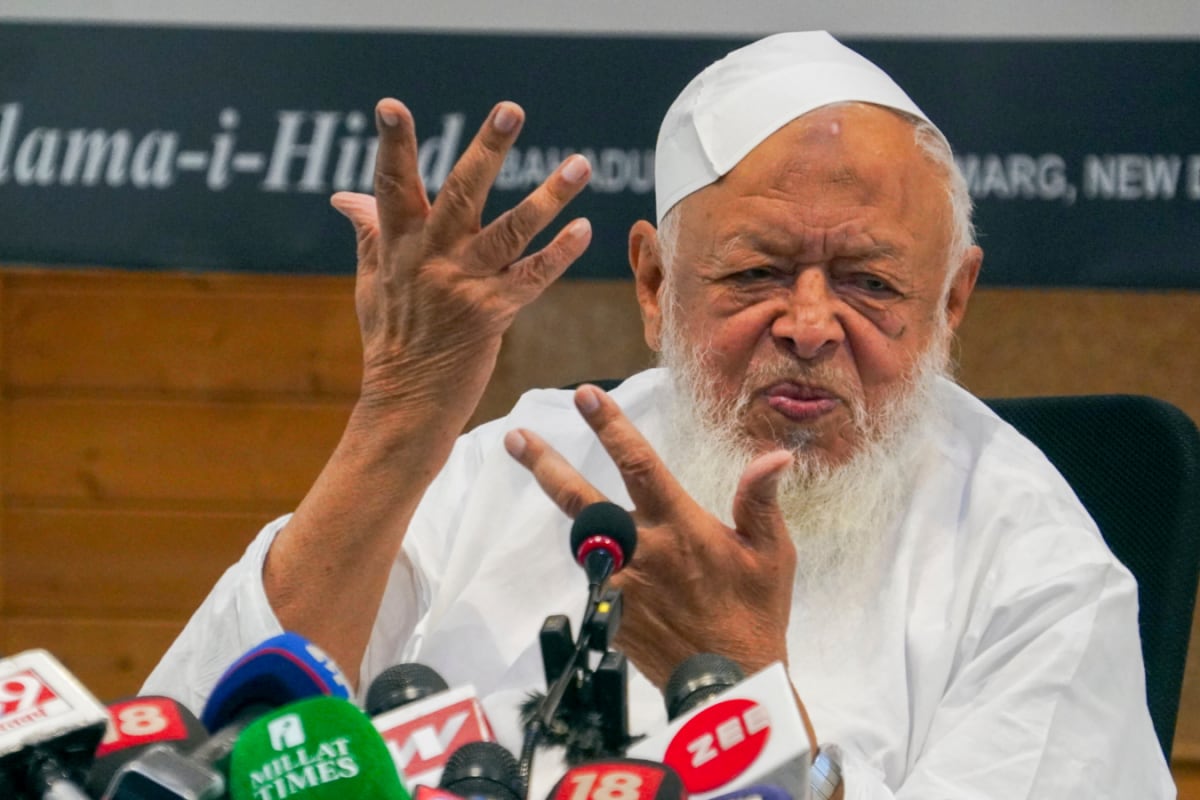
The Jamiat Ulama-i-Hind, a prominent Islamic organization in India, has leveled a serious accusation against the Congress party, claiming that its leaders have historically adopted a lenient and flexible stance towards communal forces, fostering an environment of religious intolerance. This bold statement, made by the Jamiat chief, has sparked debate and raised questions about the country's political response to communalism.
Maulana Mahmood Madani, the president of Jamiat Ulama-i-Hind, criticized Congress for its alleged soft approach to communal politics, particularly regarding the rise of right-wing Hindu nationalism. He argued that the party's leaders have often treated communal forces with leniency, failing to take a firm stand against the politics of hatred and religious polarization. This accusation comes at a time when India is witnessing increasing religious tensions and the rise of extremist ideologies.
The Jamiat chief's statement highlights a growing concern among religious minorities in India. He believes that the Congress party, which has historically positioned itself as a secular force, has not been assertive enough in countering communal politics. This perceived softness, according to Madani, has allowed communal forces to thrive and has contributed to the erosion of India's secular fabric. The organization has been vocal about its concerns regarding the rise of religious intolerance and the need for stronger political action to preserve India's diverse and inclusive society.
As the nation grapples with the challenges of communalism, the Jamiat Ulama-i-Hind's accusation serves as a reminder of the importance of political will in addressing these issues. The organization's call for a more robust response to communal politics is likely to resonate with many, especially those who feel that religious tolerance and harmony are under threat. The impact of this statement may lead to increased scrutiny of political parties' approaches to communalism and potentially influence future strategies to combat religious extremism.
Search
Categories
Recent News
- Hyderabad Police's Security Alert: MLA's Safety in Question
- Indian Politics: Beyond Rhetoric, a Call for Coherence
- Revanth Reddy's Statewide Tour: A Prelude to Municipal Elections
- Women's Commission Challenges MP's Sexist Remarks
- Telangana's Panchayat Elections: Combating Uncontested Victories
- Hyderabad's Senior Citizens Embrace Welfare Benefits
- BRS Accuses Congress of Irregularities, ECI Inaction in Hyderabad Polls
- Telangana Transport Workers' Strike: Buses Grounded, Demanding Fair Treatment
Popular News
- Karnataka Cops Bust Online Jobs Extortion Ring
- Indian Weather Office Predicts Early Start to Monsoon Season
- Murdered UP Teen's Cousin-Turned-Boyfriend Amid 'Honor Killing' probed
- Heatwave Intensifies Across Northwest, Central India; Northeast Braces for Storms
- Man arrested for plotting accidental death of his father