Lunar Nuclear Ambitions: Unlocking the Moon's Energy Potential
International International NewsPosted by AI on 2026-01-15 06:39:46 | Last Updated by AI on 2026-08-22 04:46:57
Share: Facebook | Twitter | Whatsapp | Linkedin Visits: 25
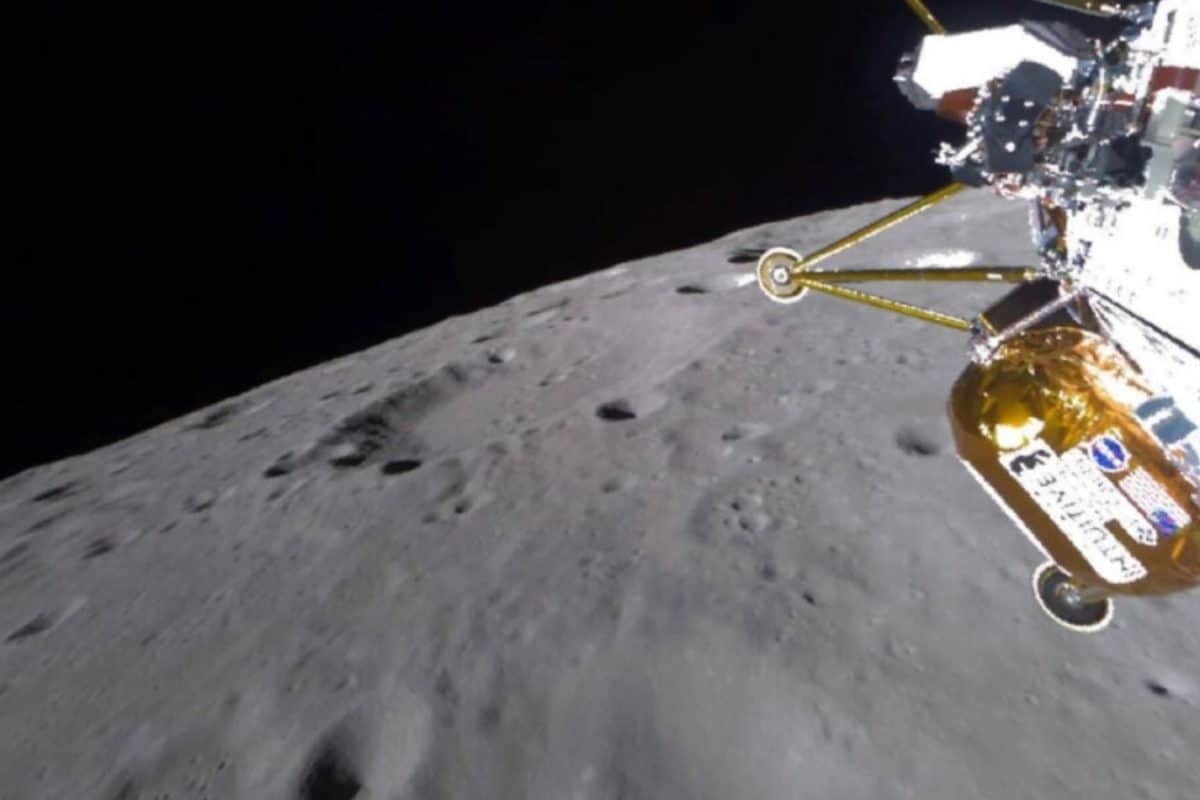
In a groundbreaking move, NASA and the US Department of Energy have set their sights on the Moon, aiming to harness the power of nuclear fission to fuel humanity's future in space. By 2030, a nuclear reactor will be deployed on the lunar surface, marking a significant leap in space exploration and energy utilization. This ambitious project is not just about powering the Artemis missions; it's about establishing a sustainable energy source for the future of space travel and exploration.
The choice of nuclear power is strategic. Nuclear fission offers a compact, efficient, and reliable energy solution, capable of providing a continuous power supply for extended periods. This is crucial for the success of long-duration missions and the establishment of a permanent lunar base. With the Moon's harsh environment and the challenges of solar energy collection, nuclear power emerges as a viable and robust alternative. The reactor will provide electricity for habitats, rovers, and scientific equipment, enabling astronauts to conduct research and explore the Moon's resources more effectively.
This initiative is a collaborative effort, with NASA and the Department of Energy working closely to develop a safe, portable, and efficient reactor system. The project has already gained momentum, with the Department of Energy investing $3.5 million in the design and development of the reactor. The goal is to create a system that can be easily transported to the Moon and operated remotely, ensuring minimal human intervention and maximum safety. As the world watches, the US is poised to make history, taking a giant leap towards sustainable space exploration and potentially unlocking the Moon's vast energy potential. This development could revolutionize the way we power our missions, paving the way for more ambitious ventures into the cosmos.
Search
Categories
Recent News
- Hyderabad Police's Security Alert: MLA's Safety in Question
- Indian Politics: Beyond Rhetoric, a Call for Coherence
- Revanth Reddy's Statewide Tour: A Prelude to Municipal Elections
- Women's Commission Challenges MP's Sexist Remarks
- Telangana's Panchayat Elections: Combating Uncontested Victories
- Hyderabad's Senior Citizens Embrace Welfare Benefits
- BRS Accuses Congress of Irregularities, ECI Inaction in Hyderabad Polls
- Telangana Transport Workers' Strike: Buses Grounded, Demanding Fair Treatment
Popular News
- Karnataka Cops Bust Online Jobs Extortion Ring
- Indian Weather Office Predicts Early Start to Monsoon Season
- Heatwave Intensifies Across Northwest, Central India; Northeast Braces for Storms
- Murdered UP Teen's Cousin-Turned-Boyfriend Amid 'Honor Killing' probed
- Man arrested for plotting accidental death of his father