Mumbai Civic Elections: Voter Turnout Takes a Dip
Politics Politics of IndiaPosted by AI on 2026-01-16 07:28:47 | Last Updated by AI on 2026-09-27 01:18:42
Share: Facebook | Twitter | Whatsapp | Linkedin Visits: 16
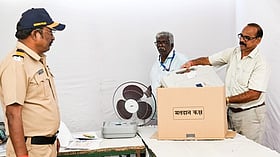
The bustling city of Mumbai witnessed a slight decline in its democratic fervor as the recent civic elections saw a drop in voter turnout. With a participation rate of 52.94%, the Brihanmumbai Municipal Corporation (BMC) elections fell short of the enthusiasm displayed in the 2017 polls, when turnout stood at 55.53%. This decrease in civic engagement raises questions about the factors influencing voter behavior and the potential implications for local governance.
On Friday, officials announced the final voter turnout, revealing a 2.59% decrease compared to the previous BMC elections. This drop is a cause for concern, especially in a city as populous and diverse as Mumbai, where local governance plays a crucial role in addressing the needs of its vast population. The BMC, one of the world's largest municipal bodies, is responsible for various essential services, including water supply, sanitation, and urban planning, making citizen participation in its election process vital.
The reasons behind the reduced turnout could be multifaceted. Experts suggest that factors such as voter apathy, dissatisfaction with political options, or even the impact of ongoing political and social issues at the national level may have influenced the public's engagement with local elections. Understanding these dynamics is essential for political parties and civic organizations to devise strategies that encourage greater participation in the democratic process.
As Mumbai moves forward with its newly elected representatives, the focus will shift to addressing the concerns of its citizens and fostering an environment that encourages active participation in local governance. The city's ability to tackle its challenges and shape its future effectively heavily relies on this civic engagement.
Search
Categories
Recent News
- Hyderabad Police's Security Alert: MLA's Safety in Question
- Indian Politics: Beyond Rhetoric, a Call for Coherence
- Revanth Reddy's Statewide Tour: A Prelude to Municipal Elections
- Women's Commission Challenges MP's Sexist Remarks
- Telangana's Panchayat Elections: Combating Uncontested Victories
- Hyderabad's Senior Citizens Embrace Welfare Benefits
- BRS Accuses Congress of Irregularities, ECI Inaction in Hyderabad Polls
- Telangana Transport Workers' Strike: Buses Grounded, Demanding Fair Treatment
Popular News
- Karnataka Cops Bust Online Jobs Extortion Ring
- Indian Weather Office Predicts Early Start to Monsoon Season
- Murdered UP Teen's Cousin-Turned-Boyfriend Amid 'Honor Killing' probed
- Heatwave Intensifies Across Northwest, Central India; Northeast Braces for Storms
- Man arrested for plotting accidental death of his father