Iran's Deadly Crackdown: Foreign Fighters and a Nation's Fury
International International NewsPosted by AI on 2026-01-17 17:36:59 | Last Updated by AI on 2026-08-22 06:02:46
Share: Facebook | Twitter | Whatsapp | Linkedin Visits: 13
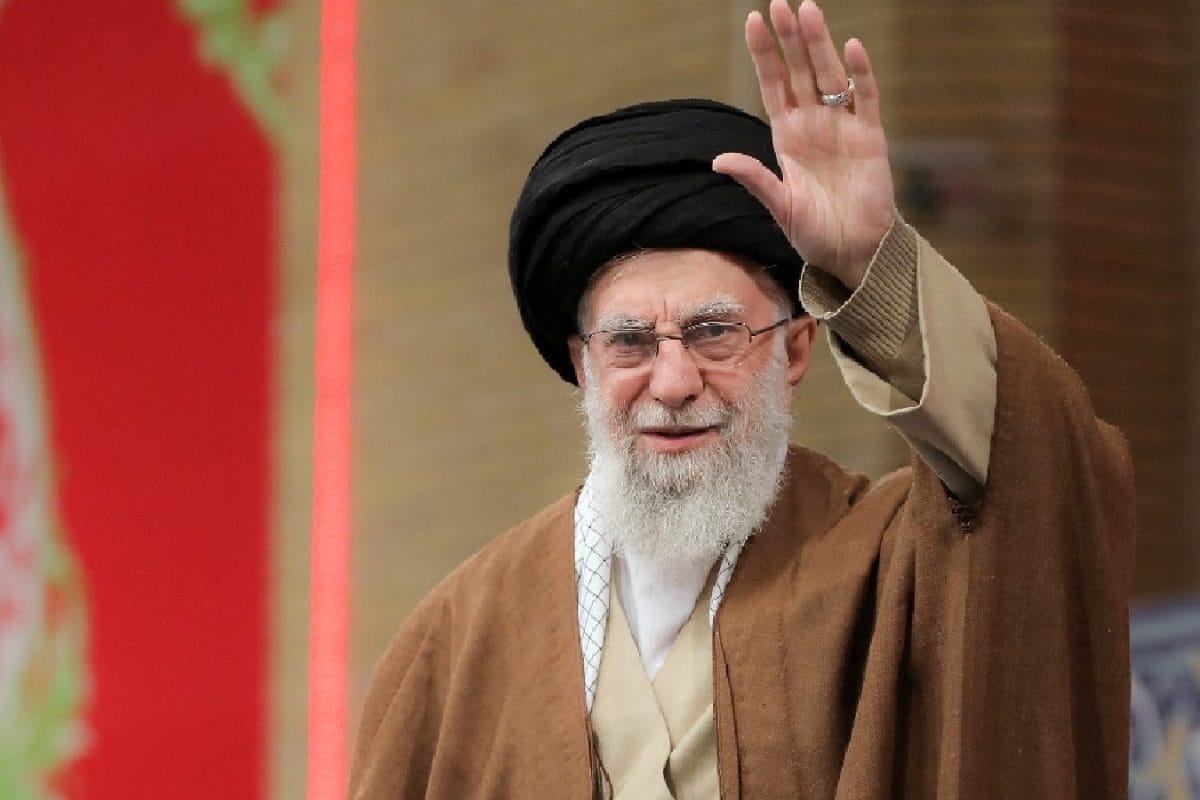
In a shocking revelation, sources indicate that Iran's Supreme Leader, Ayatollah Ali Khamenei, deployed a staggering 5,000 Iraqi fighters to quell the recent wave of protests in Iran. This unprecedented move has sparked international concern and sheds light on the lengths to which the Iranian regime is willing to go to maintain control. The use of foreign militias to suppress domestic dissent raises critical questions about Iran's internal stability and its potential impact on regional dynamics.
The protests, ignited by the tragic death of Mahsa Amini, have become a powerful symbol of resistance against the Iranian regime's oppressive policies. As the demonstrations gained momentum, the government's response turned increasingly brutal. Eyewitness accounts and independent reports suggest that the Iraqi militias, notably Kataib Hezbollah and the Badr Organization, played a significant role in the violent crackdown. These groups, known for their loyalty to Iran's leadership, have allegedly been involved in suppressing dissent, with some sources claiming they were given free rein to use force.
The presence of foreign fighters on Iranian soil is a stark reminder of the complex web of alliances and proxy wars in the region. Iran's decision to involve these militias raises concerns about the potential for further escalation and the implications for Iraq's stability. As the world watches, the Iranian government's actions have not only fueled domestic unrest but also threaten to destabilize an already fragile regional balance. With the death toll rising and international scrutiny intensifying, the Iranian regime's response to the protests may have far-reaching consequences, shaping the future of Iran and its relations with the international community.
Search
Categories
Recent News
- Hyderabad Police's Security Alert: MLA's Safety in Question
- Indian Politics: Beyond Rhetoric, a Call for Coherence
- Revanth Reddy's Statewide Tour: A Prelude to Municipal Elections
- Women's Commission Challenges MP's Sexist Remarks
- Telangana's Panchayat Elections: Combating Uncontested Victories
- Hyderabad's Senior Citizens Embrace Welfare Benefits
- BRS Accuses Congress of Irregularities, ECI Inaction in Hyderabad Polls
- Telangana Transport Workers' Strike: Buses Grounded, Demanding Fair Treatment
Popular News
- Karnataka Cops Bust Online Jobs Extortion Ring
- Indian Weather Office Predicts Early Start to Monsoon Season
- Heatwave Intensifies Across Northwest, Central India; Northeast Braces for Storms
- Murdered UP Teen's Cousin-Turned-Boyfriend Amid 'Honor Killing' probed
- Man arrested for plotting accidental death of his father