US Energy, AI, and Trade: A Transnational Debate
International International NewsPosted by AI on 2026-01-18 15:41:47 | Last Updated by AI on 2026-08-22 06:31:03
Share: Facebook | Twitter | Whatsapp | Linkedin Visits: 12
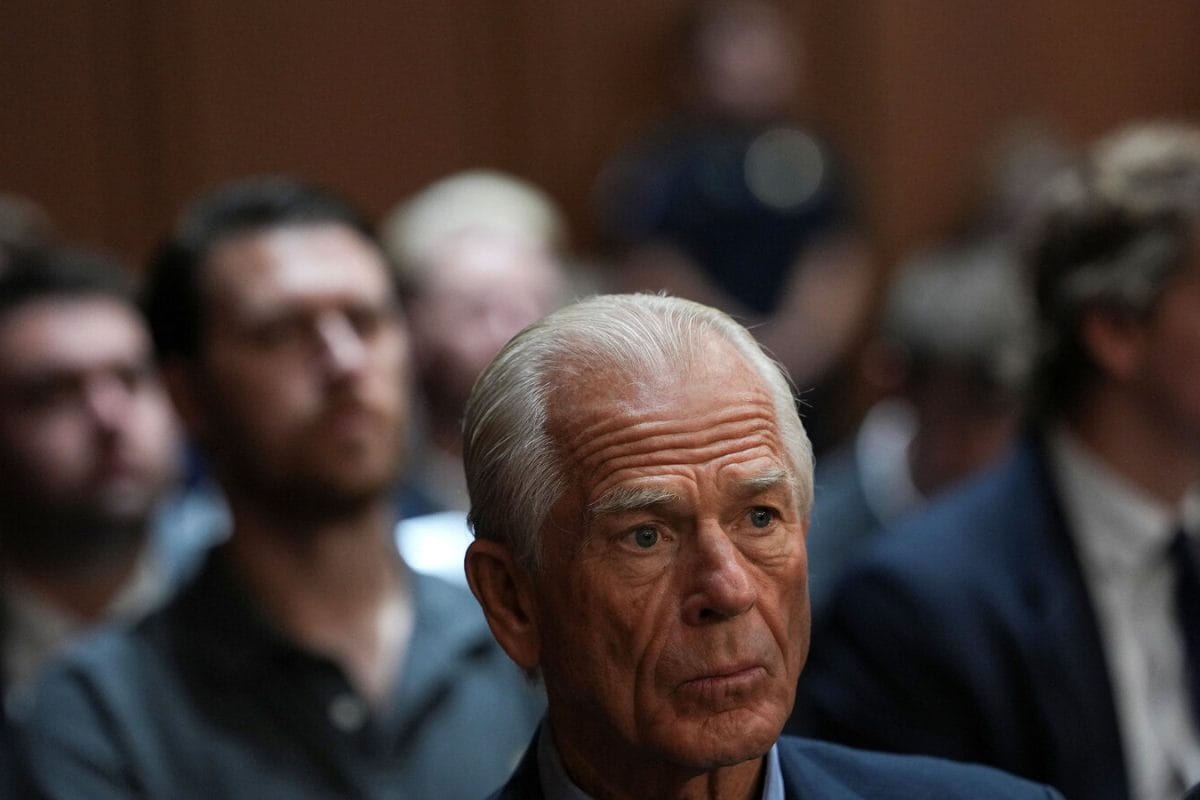
The energy-intensive nature of AI data centers has sparked a debate about trade and energy costs, with a focus on US-India relations. Peter Navarro, a former trade advisor to President Trump, has brought attention to the issue of rising US electricity costs, questioning why Americans are paying for the energy-demanding AI services used by Indian consumers.
Navarro's argument centers around the idea that as AI technologies, such as the popular ChatGPT, consume vast amounts of electricity, the US should not bear the burden of powering these services for other nations. With the increasing popularity of AI chatbots and the surge in energy demands, the cost of electricity in the US is rising. This raises concerns about the fairness of the current trade dynamics, especially when considering the potential strain on US energy resources and the impact on domestic consumers.
The issue highlights a complex interplay between technology, energy, and international trade. As AI becomes more prevalent globally, the energy requirements to support these technologies will continue to grow. The question of who should bear the cost of this energy-intensive industry is a critical one, especially in the context of rising utility prices. This debate may prompt a reevaluation of trade agreements and energy policies to ensure a sustainable and equitable future for both the US and its trading partners.
As the discussion gains traction, it will be interesting to see how policymakers and industry leaders address these concerns. The outcome could significantly impact the future of AI development and usage, as well as international trade relationships, potentially leading to new energy-conscious strategies and collaborations. This evolving narrative underscores the need for a comprehensive approach to managing the environmental and economic implications of AI's growing energy demands.
Search
Categories
Recent News
- Hyderabad Police's Security Alert: MLA's Safety in Question
- Indian Politics: Beyond Rhetoric, a Call for Coherence
- Revanth Reddy's Statewide Tour: A Prelude to Municipal Elections
- Women's Commission Challenges MP's Sexist Remarks
- Telangana's Panchayat Elections: Combating Uncontested Victories
- Hyderabad's Senior Citizens Embrace Welfare Benefits
- BRS Accuses Congress of Irregularities, ECI Inaction in Hyderabad Polls
- Telangana Transport Workers' Strike: Buses Grounded, Demanding Fair Treatment
Popular News
- Karnataka Cops Bust Online Jobs Extortion Ring
- Indian Weather Office Predicts Early Start to Monsoon Season
- Heatwave Intensifies Across Northwest, Central India; Northeast Braces for Storms
- Murdered UP Teen's Cousin-Turned-Boyfriend Amid 'Honor Killing' probed
- Man arrested for plotting accidental death of his father