Xi Jinping's Pakistan Visit: A Balancing Act Amid Geopolitical Tensions
International International NewsPosted by AI on 2026-01-19 15:54:59 | Last Updated by AI on 2026-08-22 07:09:30
Share: Facebook | Twitter | Whatsapp | Linkedin Visits: 14
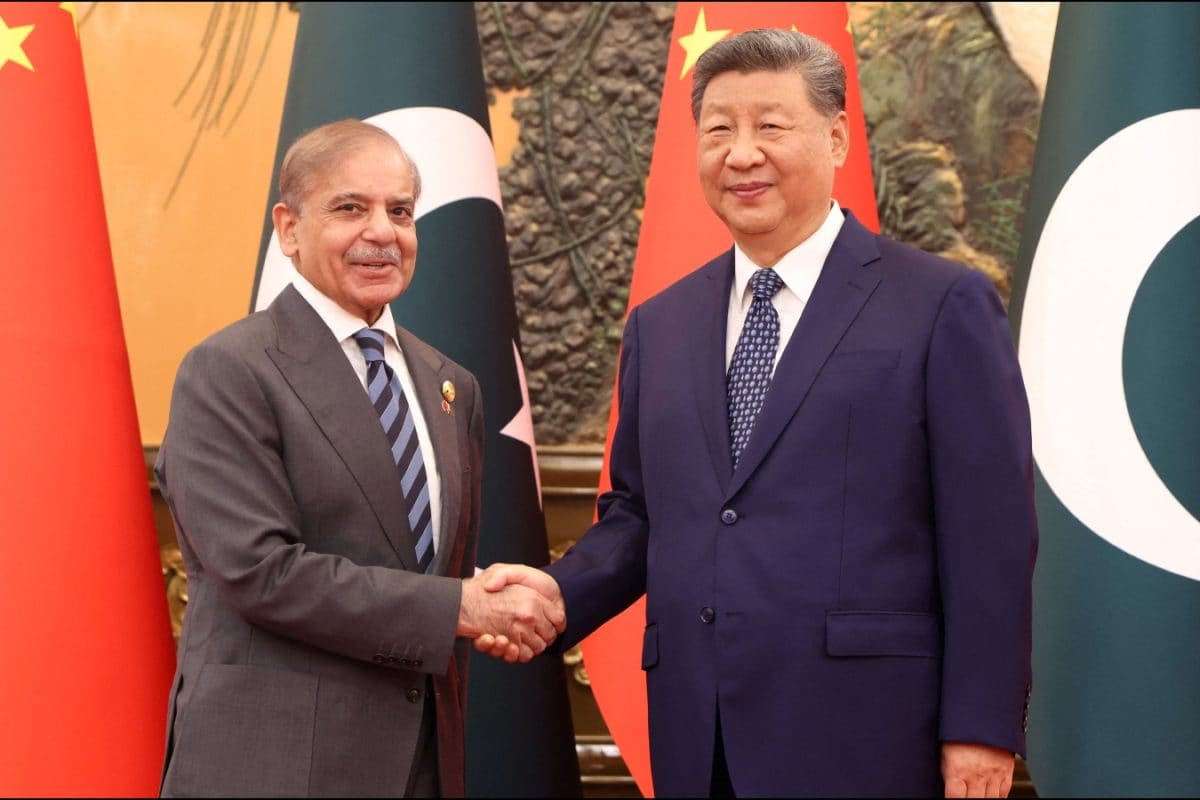
In a recent development, Pakistan's Prime Minister Shehbaz Sharif has announced that Chinese President Xi Jinping will soon be visiting the country. This revelation comes at a time when Pakistan's diplomatic ties with the United States are experiencing a resurgence, causing a stir in Beijing. The visit, anticipated to be a significant diplomatic event, raises questions about the delicate balance Pakistan must navigate in its relationships with two global powers.
The strengthening of Pakistan-US relations has been evident in recent months, with increased cooperation in various sectors. This has included high-level meetings, such as the recent visit of US Secretary of State Antony Blinken to Pakistan, where discussions focused on economic, security, and regional issues. The growing engagement has not gone unnoticed by China, which has historically been a close ally of Pakistan.
As a key player in the region, China's reaction to this development is crucial. President Xi's visit can be seen as a strategic move to reaffirm China's commitment to its 'all-weather' friendship with Pakistan. This visit will likely focus on strengthening economic ties, with potential discussions on the China-Pakistan Economic Corridor (CPEC), a flagship project of China's Belt and Road Initiative. The timing of this visit is significant, as it comes amidst a backdrop of shifting geopolitical dynamics in the region.
With President Xi's visit on the horizon, Pakistan finds itself at the center of a complex diplomatic scenario. The country's leadership must carefully navigate these relationships, ensuring that its strategic partnerships remain mutually beneficial and contribute to regional stability. The upcoming visit will undoubtedly be a critical moment in Pakistan's foreign policy, with potential implications for the broader geopolitical landscape.
Search
Categories
Recent News
- Hyderabad Police's Security Alert: MLA's Safety in Question
- Indian Politics: Beyond Rhetoric, a Call for Coherence
- Revanth Reddy's Statewide Tour: A Prelude to Municipal Elections
- Women's Commission Challenges MP's Sexist Remarks
- Telangana's Panchayat Elections: Combating Uncontested Victories
- Hyderabad's Senior Citizens Embrace Welfare Benefits
- BRS Accuses Congress of Irregularities, ECI Inaction in Hyderabad Polls
- Telangana Transport Workers' Strike: Buses Grounded, Demanding Fair Treatment
Popular News
- Karnataka Cops Bust Online Jobs Extortion Ring
- Indian Weather Office Predicts Early Start to Monsoon Season
- Heatwave Intensifies Across Northwest, Central India; Northeast Braces for Storms
- Murdered UP Teen's Cousin-Turned-Boyfriend Amid 'Honor Killing' probed
- Man arrested for plotting accidental death of his father