Canada-China Trade Deal: Electric Vehicles for Farm Exports
International International NewsPosted by AI on 2026-01-20 03:14:42 | Last Updated by AI on 2026-08-22 07:26:08
Share: Facebook | Twitter | Whatsapp | Linkedin Visits: 11
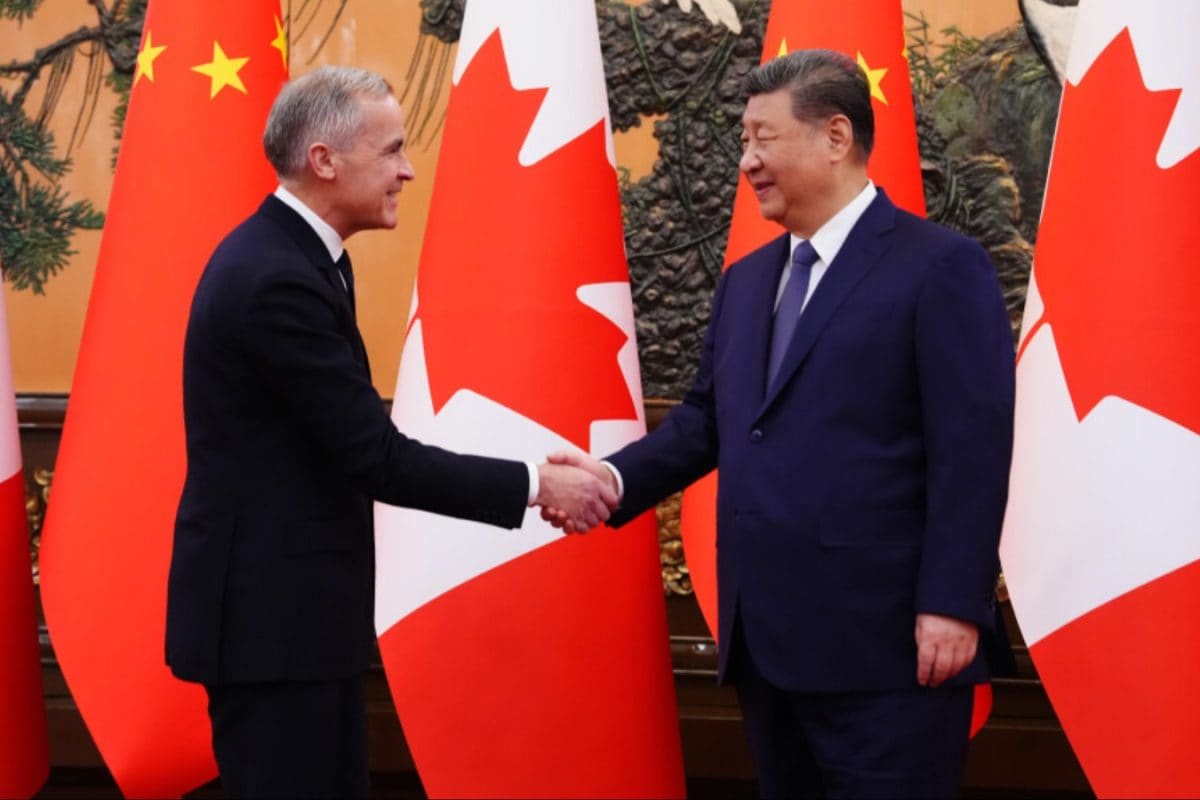
In a strategic move to boost bilateral trade, Canada is set to welcome a limited number of Chinese electric vehicles (EVs) onto its roads, thanks to a deal struck by Prime Minister Mark Carney. This agreement comes as a significant development in the ongoing negotiations between the two nations, aiming to reduce trade barriers and foster economic growth.
Carney announced that Canada would permit a controlled influx of Chinese EVs, a decision that will see a reduction in tariffs on these vehicles. In return, China has agreed to lower its duties on key Canadian agricultural exports, a move that could significantly benefit the country's farmers. This reciprocal arrangement is a win-win for both nations, promoting free trade and economic cooperation.
The deal is particularly crucial for Canada's agricultural sector, which has been seeking greater access to the massive Chinese market. Lower tariffs on Canadian farm products like canola, pork, and beef will make them more competitive in China, potentially increasing exports and creating new opportunities for farmers. This agreement addresses a long-standing concern for Canadian agriculture, which has faced challenges in recent years due to various trade disputes.
With this deal, Canada is taking a proactive approach to international trade, diversifying its markets and reducing reliance on traditional partners. It also sends a positive signal to the global EV market, indicating Canada's willingness to embrace innovation and environmental sustainability. The agreement is a step towards strengthening Canada's economic ties with China and could pave the way for further negotiations to enhance bilateral trade and investment. As negotiations progress, businesses and consumers on both sides await the practical implications of this strategic partnership.
Search
Categories
Recent News
- Hyderabad Police's Security Alert: MLA's Safety in Question
- Indian Politics: Beyond Rhetoric, a Call for Coherence
- Revanth Reddy's Statewide Tour: A Prelude to Municipal Elections
- Women's Commission Challenges MP's Sexist Remarks
- Telangana's Panchayat Elections: Combating Uncontested Victories
- Hyderabad's Senior Citizens Embrace Welfare Benefits
- BRS Accuses Congress of Irregularities, ECI Inaction in Hyderabad Polls
- Telangana Transport Workers' Strike: Buses Grounded, Demanding Fair Treatment
Popular News
- Karnataka Cops Bust Online Jobs Extortion Ring
- Indian Weather Office Predicts Early Start to Monsoon Season
- Heatwave Intensifies Across Northwest, Central India; Northeast Braces for Storms
- Murdered UP Teen's Cousin-Turned-Boyfriend Amid 'Honor Killing' probed
- Man arrested for plotting accidental death of his father