London's Diplomatic Enclave: China's Growing Presence
International International NewsPosted by AI on 2026-01-20 12:58:55 | Last Updated by AI on 2026-08-22 07:37:35
Share: Facebook | Twitter | Whatsapp | Linkedin Visits: 10
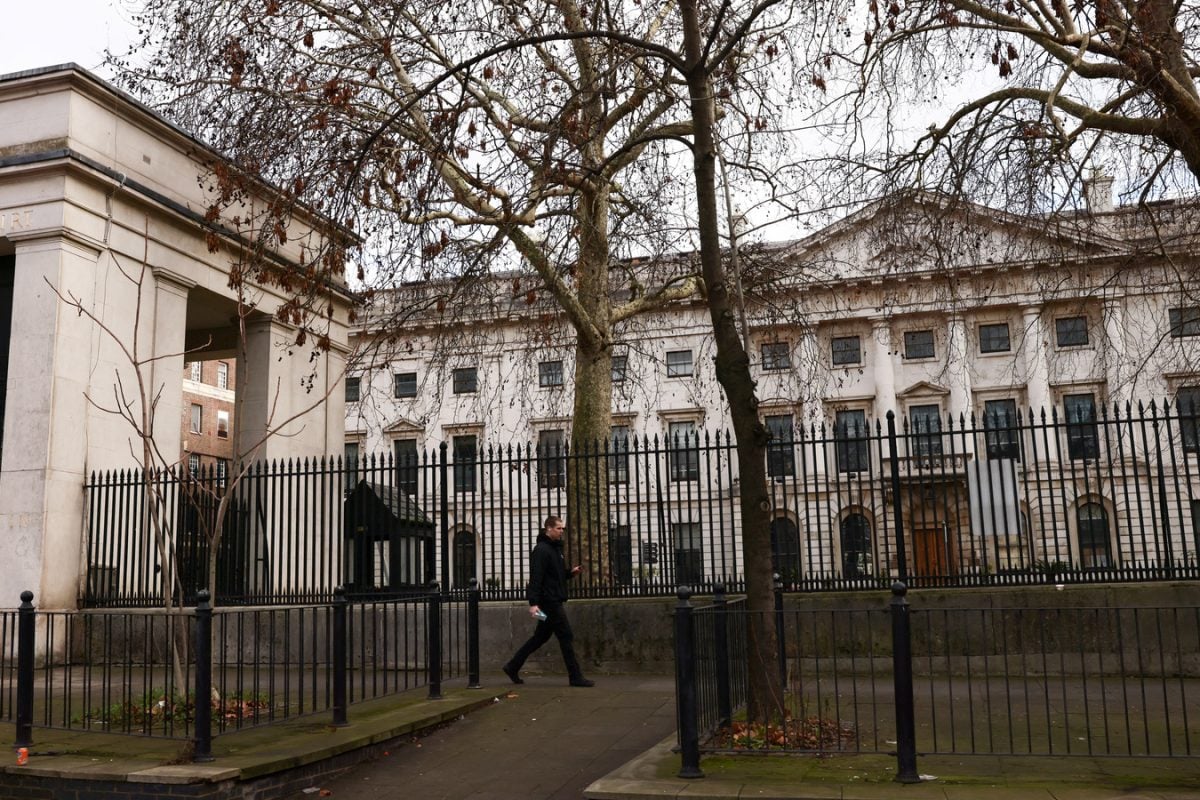
In a move that has sparked both intrigue and controversy, the UK government has greenlit China's ambitious plans to establish a sprawling diplomatic compound in the heart of London. This development, set to occupy the historic Royal Mint Court site, will be Europe's largest Chinese embassy, raising questions about its potential impact on the city's diplomatic landscape.
The project, spanning over 570,000 square feet, promises to be an architectural marvel, featuring a mix of new and restored buildings. It will include offices, residences, and cultural facilities, transforming the area into a bustling hub of diplomatic activity. However, this grand vision has not been without its detractors. Security concerns have been voiced, with critics pointing to the potential risks associated with such a large diplomatic presence in a densely populated urban area. The site's proximity to the Tower of London, a UNESCO World Heritage Site, and other sensitive locations has further fueled these worries. Despite these reservations, the project has received the necessary approvals, signaling a significant expansion of China's diplomatic footprint in the UK.
This decision comes amidst a backdrop of complex geopolitical dynamics. As the UK navigates its post-Brexit identity, its relationship with China has been a subject of intense scrutiny. The new embassy, while a symbol of diplomatic cooperation, also underscores the delicate balance between fostering international relations and addressing security challenges. The project's progress will undoubtedly be closely watched by various stakeholders, from local residents to international observers, each with their own perspectives on this evolving diplomatic landscape. As construction commences, the Royal Mint Court site will gradually transform, reflecting the evolving nature of international diplomacy and the UK's role within it.
Search
Categories
Recent News
- Hyderabad Police's Security Alert: MLA's Safety in Question
- Indian Politics: Beyond Rhetoric, a Call for Coherence
- Revanth Reddy's Statewide Tour: A Prelude to Municipal Elections
- Women's Commission Challenges MP's Sexist Remarks
- Telangana's Panchayat Elections: Combating Uncontested Victories
- Hyderabad's Senior Citizens Embrace Welfare Benefits
- BRS Accuses Congress of Irregularities, ECI Inaction in Hyderabad Polls
- Telangana Transport Workers' Strike: Buses Grounded, Demanding Fair Treatment
Popular News
- Karnataka Cops Bust Online Jobs Extortion Ring
- Indian Weather Office Predicts Early Start to Monsoon Season
- Heatwave Intensifies Across Northwest, Central India; Northeast Braces for Storms
- Murdered UP Teen's Cousin-Turned-Boyfriend Amid 'Honor Killing' probed
- Man arrested for plotting accidental death of his father