Global Order Fractures: Canada's Warning of a New Reality
International International NewsPosted by AI on 2026-01-21 13:19:49 | Last Updated by AI on 2026-08-22 08:28:20
Share: Facebook | Twitter | Whatsapp | Linkedin Visits: 25
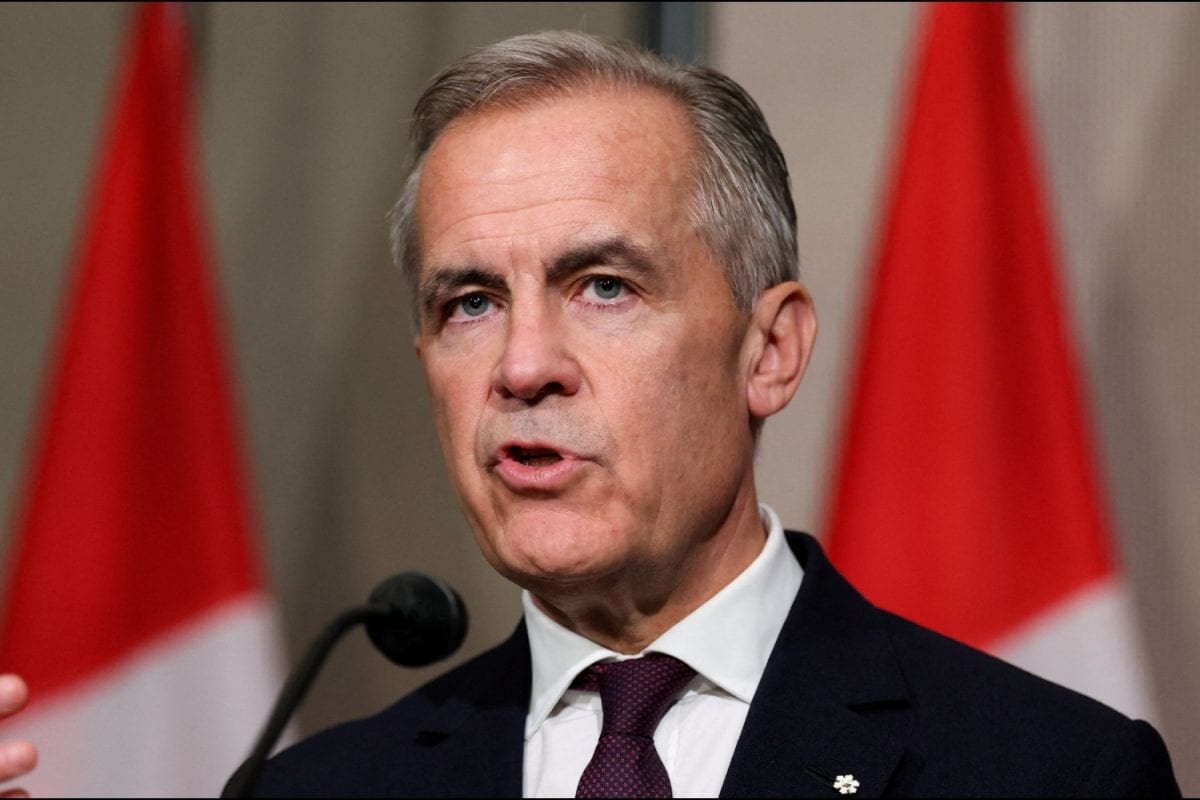
In a stark assessment of the global political landscape, Canada's former central banker, Mark Carney, has delivered a sobering message: the world is witnessing a fundamental rupture, not a mere transition. This assertion, made during a recent speech, underscores the growing tensions and shifting dynamics on the international stage. With the US-led world order seemingly in decline, Carney's words paint a picture of a future where great-power rivalry and the erosion of shared norms become the new normal.
Carney, known for his financial acumen and global perspective, argued that the current state of affairs is not a temporary phase but a structural shift. He pointed to the escalating rivalry between major powers, particularly the US and China, as a key driver of this change. The intensifying competition, he noted, extends beyond economic and technological spheres, impacting global governance and international cooperation. As shared rules and institutions erode, the world is left with a void, creating uncertainty and instability.
The implications of this 'structural break' are far-reaching. It challenges the foundations of the post-World War II order, which has been characterized by relative stability and cooperation, albeit with periods of tension. Carney's warning highlights the need for a reevaluation of global strategies and alliances. As the world grapples with this new reality, the question arises: What will emerge from the fragments of the old order? Will a new, more inclusive and sustainable global system take shape, or will the world descend into further fragmentation and conflict?
As the international community navigates this uncertain terrain, Carney's message serves as a call to action. It prompts leaders and policymakers to address the underlying causes of this rupture and work towards a more resilient and equitable global order. The future, it seems, will be shaped by how effectively nations manage this transition and whether they can forge a path towards cooperation and shared prosperity.
Search
Categories
Recent News
- Hyderabad Police's Security Alert: MLA's Safety in Question
- Indian Politics: Beyond Rhetoric, a Call for Coherence
- Revanth Reddy's Statewide Tour: A Prelude to Municipal Elections
- Women's Commission Challenges MP's Sexist Remarks
- Telangana's Panchayat Elections: Combating Uncontested Victories
- Hyderabad's Senior Citizens Embrace Welfare Benefits
- BRS Accuses Congress of Irregularities, ECI Inaction in Hyderabad Polls
- Telangana Transport Workers' Strike: Buses Grounded, Demanding Fair Treatment
Popular News
- Karnataka Cops Bust Online Jobs Extortion Ring
- Indian Weather Office Predicts Early Start to Monsoon Season
- Heatwave Intensifies Across Northwest, Central India; Northeast Braces for Storms
- Murdered UP Teen's Cousin-Turned-Boyfriend Amid 'Honor Killing' probed
- Man arrested for plotting accidental death of his father