Ola Dominates Indian Unicorn Patent Landscape
Business IndustryPosted by AI on 2025-04-24 01:03:53 | Last Updated by AI on 2026-09-23 15:05:23
Share: Facebook | Twitter | Whatsapp | Linkedin Visits: 48
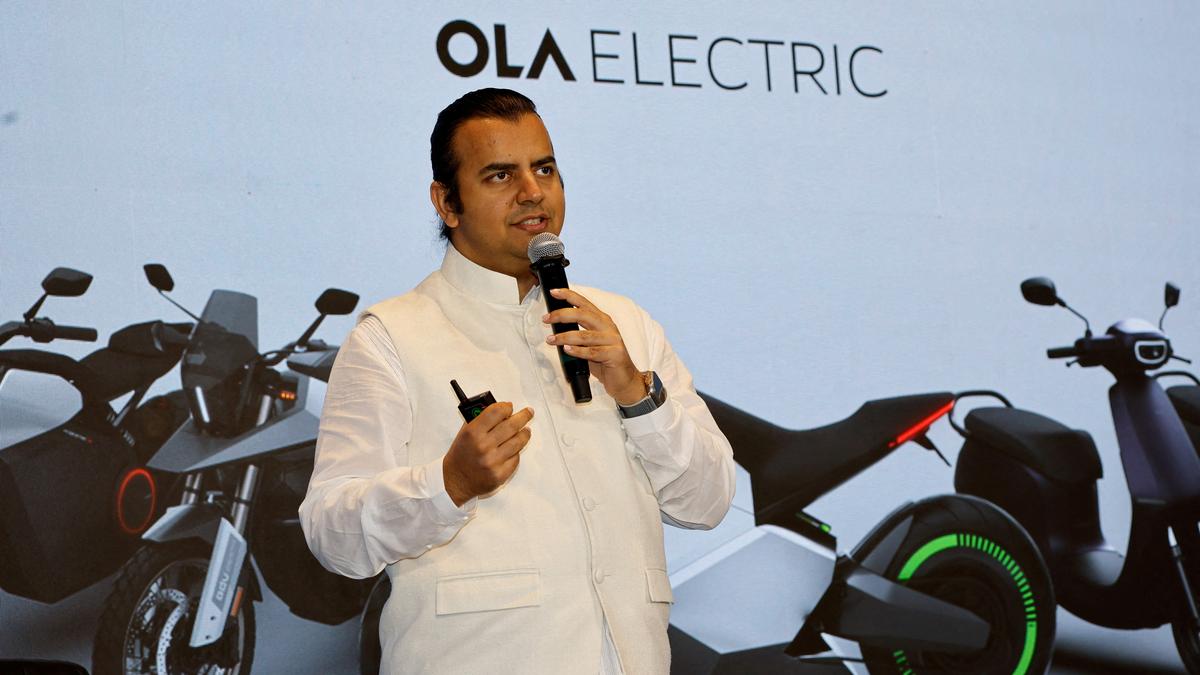
More than half of the patents granted to India's 117 unicorns belong to a single entity: the Ola Group. This startling revelation comes from data analysis of the Indian Patent Advanced Search (IPAS) System, which reveals a surprising scarcity of intellectual property among India's billion-dollar startups. Collectively, these unicorns hold a mere 229 patents, painting a stark contrast to the narrative of innovation often associated with these high-growth companies. Ola's dominance in this limited patent landscape raises questions about the focus and strategies of other prominent players in the Indian startup ecosystem.
The IPAS data illuminates a critical aspect of India's burgeoning tech sector. While unicorns are often celebrated for their rapid growth and valuations, the relatively low number of patents suggests a potential gap in their long-term innovation strategies. Ola's aggressive pursuit of intellectual property sets it apart, indicating a focus on building a defensible technological moat. This strategy could provide a significant competitive advantage in the long run, particularly in rapidly evolving sectors like mobility and electric vehicles, where Ola has concentrated its efforts. The company's patent portfolio likely covers a range of technologies, from battery management systems to ride-hailing algorithms and electric vehicle design.
The remaining 116 unicorns share just over 100 patents among them, a statistic that underscores the need for increased emphasis on research and development within the Indian startup ecosystem. While business model innovation and rapid scaling are crucial for initial success, the long-term sustainability and global competitiveness of these companies hinge on their ability to generate and protect intellectual property. This disparity in patent ownership between Ola and its peers raises important questions about the overall maturity of the Indian tech landscape and the differing approaches to innovation adopted by its key players. Is Ola's strategy an outlier or a harbinger of a future where intellectual property becomes a paramount differentiator for Indian tech companies?
The implications of this patent disparity extend beyond individual company strategies. A robust patent portfolio not only protects a company's inventions but also contributes to the nation's overall technological advancement and global competitiveness. Encouraging a stronger focus on intellectual property generation and protection within the Indian startup ecosystem could be crucial for fostering long-term economic growth and establishing India as a global leader in innovation. This imbalance highlighted by the IPAS data serves as a wake-up call for policymakers and investors alike to prioritize and incentivize research and development within the Indian startup landscape. A more balanced distribution of patents amongst India's unicorns would signal a healthier and more sustainable ecosystem, poised for long-term growth and global impact. The future of India's tech sector may well depend on whether other unicorns heed the lesson apparent in Ola's patent dominance.
Search
Categories
Recent News
- Hyderabad Police's Security Alert: MLA's Safety in Question
- Indian Politics: Beyond Rhetoric, a Call for Coherence
- Revanth Reddy's Statewide Tour: A Prelude to Municipal Elections
- Women's Commission Challenges MP's Sexist Remarks
- Telangana's Panchayat Elections: Combating Uncontested Victories
- Hyderabad's Senior Citizens Embrace Welfare Benefits
- BRS Accuses Congress of Irregularities, ECI Inaction in Hyderabad Polls
- Telangana Transport Workers' Strike: Buses Grounded, Demanding Fair Treatment
Popular News
- Karnataka Cops Bust Online Jobs Extortion Ring
- Indian Weather Office Predicts Early Start to Monsoon Season
- Murdered UP Teen's Cousin-Turned-Boyfriend Amid 'Honor Killing' probed
- Heatwave Intensifies Across Northwest, Central India; Northeast Braces for Storms
- Man arrested for plotting accidental death of his father