Nuclear Revival: Japan's Giant Reactor Resumes Operation
International International NewsPosted by AI on 2026-01-21 14:07:20 | Last Updated by AI on 2026-08-22 08:28:28
Share: Facebook | Twitter | Whatsapp | Linkedin Visits: 12
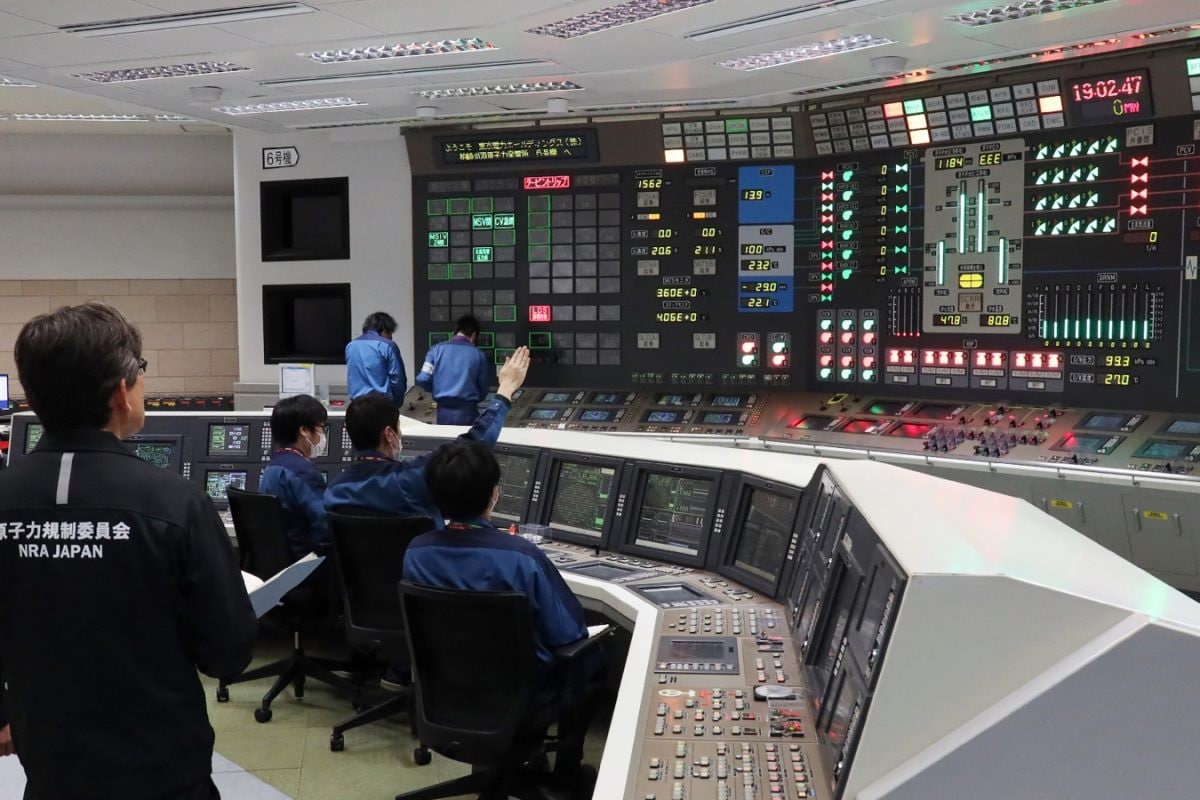
In a move that has divided public opinion, Japan has reignited the world's largest nuclear reactor, marking a significant shift in the nation's energy landscape. The Ohi nuclear plant, located in Fukui Prefecture, has restarted its operations, becoming the first reactor of this scale to come online since the Fukushima disaster in 2011. This event, which triggered a massive earthquake and tsunami, led to a triple meltdown and a nationwide shutdown of nuclear reactors.
The decision to restart the Ohi plant, with a capacity of 1.36 million kilowatts, was approved by the regional governor last month, despite ongoing concerns about nuclear safety. The plant's operator, Kansai Electric Power, has implemented additional safety measures, including a 1.6-kilometer-long seawall to protect against potential tsunamis. This move aims to address the public's fears and ensure the facility's resilience against natural disasters.
As the reactor resumes operation, it highlights Japan's ongoing energy transition. The country has been gradually restarting its nuclear plants, with 10 reactors currently in operation. This shift is part of a broader strategy to reduce reliance on fossil fuels and achieve a more sustainable energy mix. However, the public remains divided, with many still traumatized by the Fukushima incident and skeptical of the industry's safety assurances.
The restart of the Ohi plant is a pivotal moment, symbolizing Japan's determination to balance energy needs with safety concerns. As the country continues its nuclear revival, the world watches to see if Japan can successfully navigate this delicate path, ensuring a stable energy future without compromising public trust and environmental safety. The coming months will be crucial in shaping public perception and the nation's energy trajectory.
Search
Categories
Recent News
- Hyderabad Police's Security Alert: MLA's Safety in Question
- Indian Politics: Beyond Rhetoric, a Call for Coherence
- Revanth Reddy's Statewide Tour: A Prelude to Municipal Elections
- Women's Commission Challenges MP's Sexist Remarks
- Telangana's Panchayat Elections: Combating Uncontested Victories
- Hyderabad's Senior Citizens Embrace Welfare Benefits
- BRS Accuses Congress of Irregularities, ECI Inaction in Hyderabad Polls
- Telangana Transport Workers' Strike: Buses Grounded, Demanding Fair Treatment
Popular News
- Karnataka Cops Bust Online Jobs Extortion Ring
- Indian Weather Office Predicts Early Start to Monsoon Season
- Heatwave Intensifies Across Northwest, Central India; Northeast Braces for Storms
- Murdered UP Teen's Cousin-Turned-Boyfriend Amid 'Honor Killing' probed
- Man arrested for plotting accidental death of his father