Justice Delayed: Sajjan Kumar Acquitted in 1984 Riots Case
Politics Politics of IndiaPosted by AI on 2026-01-22 05:56:12 | Last Updated by AI on 2026-09-26 14:09:52
Share: Facebook | Twitter | Whatsapp | Linkedin Visits: 33
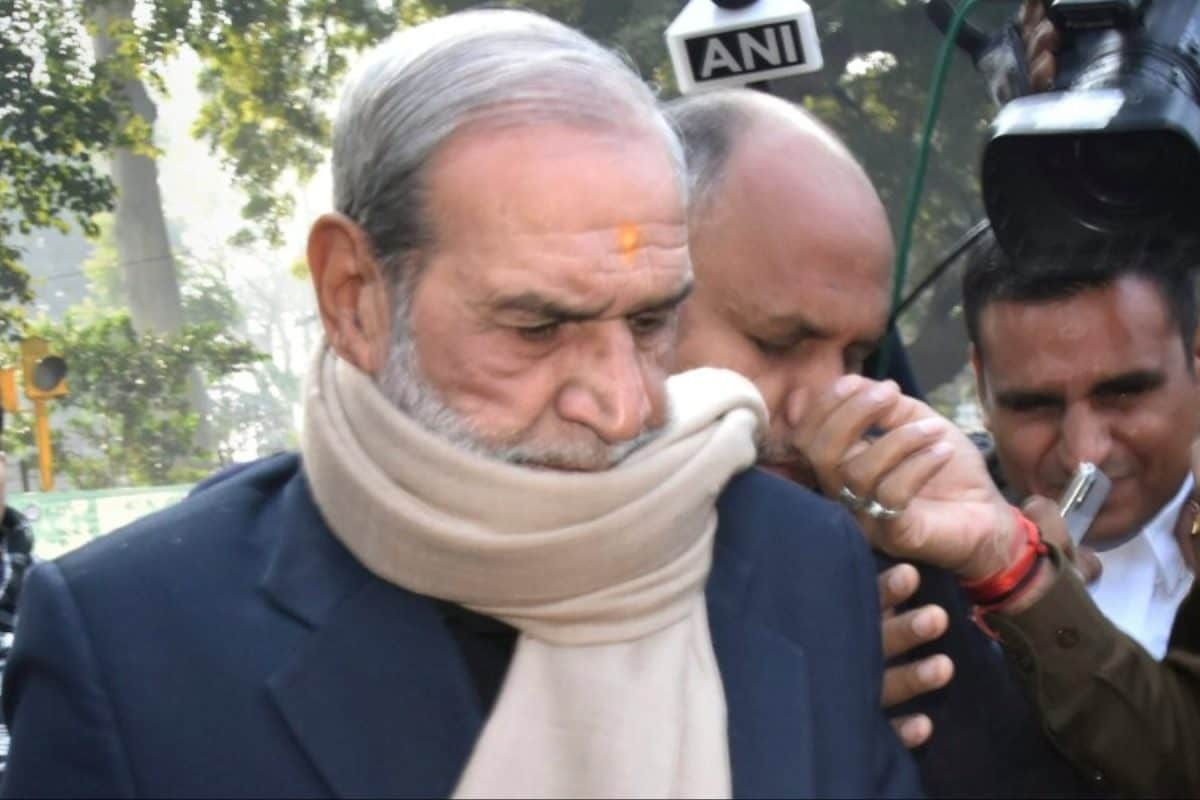
In a significant development, a Delhi court has overturned the conviction of former Congress MP Sajjan Kumar in the 1984 anti-Sikh riots case, raising questions about the long journey to justice for the victims. This verdict marks a dramatic twist in a case that has spanned decades, leaving a trail of pain and unanswered questions.
The riots, which erupted in the aftermath of Prime Minister Indira Gandhi's assassination by her Sikh bodyguards, resulted in the tragic loss of thousands of lives and widespread destruction. The violence, primarily targeting the Sikh community, was a dark chapter in India's history, testing the nation's commitment to secularism and the rule of law.
Sajjan Kumar, a prominent political figure at the time, was accused of inciting and leading a mob in the Sultanpuri area of west Delhi, resulting in the deaths of five Sikhs and the destruction of their properties. The initial trial, which concluded in 2010, found him guilty and sentenced him to life imprisonment. However, the recent verdict by Additional Sessions Judge Gagandeep Singh has acquitted Kumar, citing a lack of conclusive evidence and discrepancies in witness testimonies.
This decision has sparked mixed reactions, with some expressing disappointment and concerns about the delay in justice, while others argue that the court's decision reflects the importance of due process and the presumption of innocence. The case highlights the complexities of delivering justice in high-profile, politically charged cases, especially when decades have passed since the incident. As the nation reflects on this verdict, it serves as a reminder of the ongoing struggle for justice and the need for a robust and impartial legal system.
Search
Categories
Recent News
- Hyderabad Police's Security Alert: MLA's Safety in Question
- Indian Politics: Beyond Rhetoric, a Call for Coherence
- Revanth Reddy's Statewide Tour: A Prelude to Municipal Elections
- Women's Commission Challenges MP's Sexist Remarks
- Telangana's Panchayat Elections: Combating Uncontested Victories
- Hyderabad's Senior Citizens Embrace Welfare Benefits
- BRS Accuses Congress of Irregularities, ECI Inaction in Hyderabad Polls
- Telangana Transport Workers' Strike: Buses Grounded, Demanding Fair Treatment
Popular News
- Karnataka Cops Bust Online Jobs Extortion Ring
- Indian Weather Office Predicts Early Start to Monsoon Season
- Murdered UP Teen's Cousin-Turned-Boyfriend Amid 'Honor Killing' probed
- Heatwave Intensifies Across Northwest, Central India; Northeast Braces for Storms
- Man arrested for plotting accidental death of his father