Pakistan's Davos Diplomacy: Troops Offered for Gaza, But Hurdles Remain
International International NewsPosted by AI on 2026-01-23 04:33:06 | Last Updated by AI on 2026-08-22 09:24:06
Share: Facebook | Twitter | Whatsapp | Linkedin Visits: 23
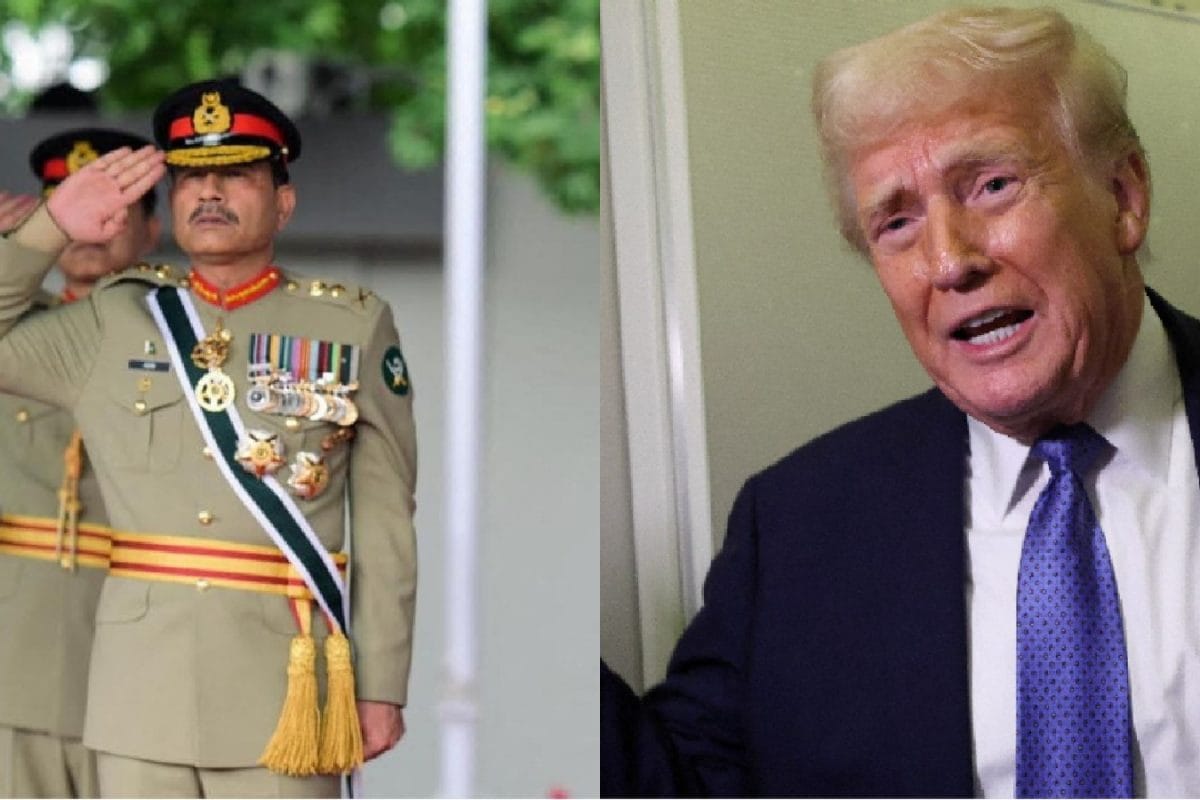
In a significant move, Pakistan has offered to deploy its troops under the International Stabilization Force (ISF) in Gaza, a decision that could potentially reshape the country's role in Middle Eastern affairs. This proposal was a key outcome of high-level Pakistan-US engagements at the World Economic Forum in Davos, where Prime Minister Shehbaz Sharif and Field Marshal Asim Munir held crucial discussions with US President Donald Trump.
The offer to contribute to the ISF, a multinational force aimed at ensuring stability in Gaza, marks a strategic shift for Pakistan, which has traditionally been cautious about direct military involvement in the region. This move signals a willingness to engage more actively in addressing regional conflicts, especially those with humanitarian dimensions. During the Davos talks, Prime Minister Sharif emphasized Pakistan's commitment to international peace and security, stating that "we are ready to play our part in bringing stability to the region."
However, the path ahead is not without challenges. Domestic hurdles, including political opposition and public sentiment, were acknowledged by the Pakistani leadership. In a candid admission, Field Marshal Munir requested time from the US administration to navigate these complexities, ensuring that the deployment aligns with Pakistan's national interests and strategic objectives. This request for time suggests a thoughtful approach, aiming to balance international commitments with domestic realities.
The engagement at Davos has set the stage for further negotiations and strategic planning. As Pakistan seeks to address internal deliberations, the international community awaits the outcome, which could significantly impact the security landscape in Gaza and Pakistan's role in Middle Eastern affairs.
Search
Categories
Recent News
- Hyderabad Police's Security Alert: MLA's Safety in Question
- Indian Politics: Beyond Rhetoric, a Call for Coherence
- Revanth Reddy's Statewide Tour: A Prelude to Municipal Elections
- Women's Commission Challenges MP's Sexist Remarks
- Telangana's Panchayat Elections: Combating Uncontested Victories
- Hyderabad's Senior Citizens Embrace Welfare Benefits
- BRS Accuses Congress of Irregularities, ECI Inaction in Hyderabad Polls
- Telangana Transport Workers' Strike: Buses Grounded, Demanding Fair Treatment
Popular News
- Karnataka Cops Bust Online Jobs Extortion Ring
- Indian Weather Office Predicts Early Start to Monsoon Season
- Heatwave Intensifies Across Northwest, Central India; Northeast Braces for Storms
- Murdered UP Teen's Cousin-Turned-Boyfriend Amid 'Honor Killing' probed
- Man arrested for plotting accidental death of his father