Trump Eyes "Fair Deal" with China, Path Remains Murky
International International NewsPosted by AI on 2025-04-24 08:08:26 | Last Updated by AI on 2026-09-24 08:53:01
Share: Facebook | Twitter | Whatsapp | Linkedin Visits: 75
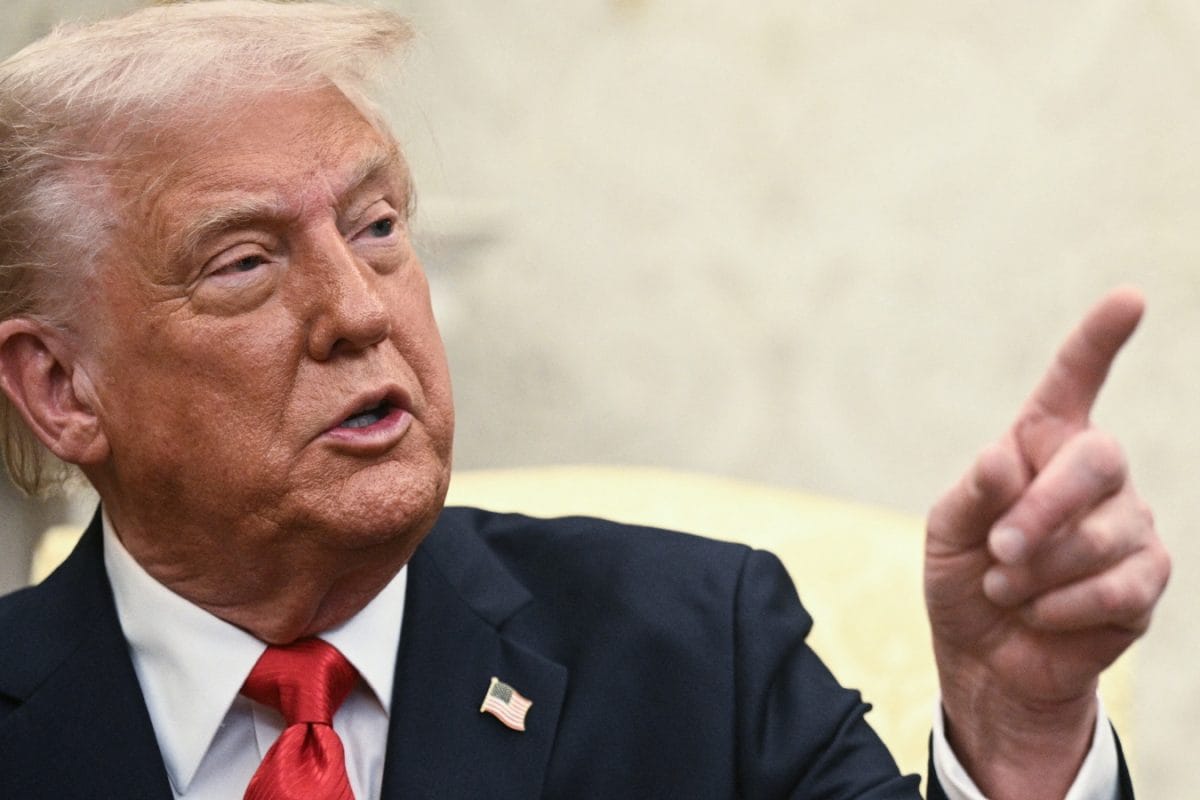
"We're going to make a great deal with China," declared President Donald Trump, expressing confidence in reaching a "fair deal" on trade. However, the specifics of how his administration plans to de-escalate the ongoing tariff war with the economic giant remain elusive. While the President projects optimism, the path toward a concrete agreement and the details of such an arrangement remain unclear, leaving businesses and markets in a state of anticipation.
The US-China trade dispute, characterized by tit-for-tat tariffs on hundreds of billions of dollars worth of goods, has created uncertainty in global markets and disrupted supply chains. Trump's comments, while expressing hope for a positive resolution, lacked specifics on key sticking points. These include intellectual property protection, forced technology transfer, and market access, issues that have been central to the trade conflict. The lack of clarity leaves businesses grappling with continued uncertainty, hindering long-term investment decisions and potentially impacting economic growth.
The President's emphasis on a "fair deal" suggests a desire for reciprocal trade practices and a level playing field for American companies operating in China. However, the administration has yet to outline concrete steps towards achieving this goal beyond the imposition of tariffs. Negotiations between the two countries have been intermittent, with periods of progress followed by setbacks. The absence of a clear roadmap towards de-escalation leaves many wondering what concessions each side is willing to make and what constitutes a "fair deal" in the eyes of both governments.
The economic stakes are high. The trade war has already impacted businesses and consumers in both countries, leading to increased prices and disrupted trade flows. While the President's optimistic pronouncements offer a glimmer of hope, the lack of concrete details underscores the significant challenges that remain in resolving the complex trade dispute. The ongoing uncertainty surrounding the negotiations highlights the need for a clear and transparent process to achieve a sustainable and mutually beneficial trade relationship between the world's two largest economies.
The ultimate impact of the trade war and the potential for a "fair deal" will depend on the willingness of both sides to engage in constructive dialogue and find common ground. Until concrete details emerge, businesses and markets will continue to watch closely, hoping for a resolution that brings stability and predictability to the global trading environment. The future of US-China trade relations, and the broader global economy, hinges on the ability of both nations to navigate these complex negotiations and find a path towards a mutually agreeable solution.
Search
Categories
Recent News
- Hyderabad Police's Security Alert: MLA's Safety in Question
- Indian Politics: Beyond Rhetoric, a Call for Coherence
- Revanth Reddy's Statewide Tour: A Prelude to Municipal Elections
- Women's Commission Challenges MP's Sexist Remarks
- Telangana's Panchayat Elections: Combating Uncontested Victories
- Hyderabad's Senior Citizens Embrace Welfare Benefits
- BRS Accuses Congress of Irregularities, ECI Inaction in Hyderabad Polls
- Telangana Transport Workers' Strike: Buses Grounded, Demanding Fair Treatment
Popular News
- Karnataka Cops Bust Online Jobs Extortion Ring
- Indian Weather Office Predicts Early Start to Monsoon Season
- Murdered UP Teen's Cousin-Turned-Boyfriend Amid 'Honor Killing' probed
- Heatwave Intensifies Across Northwest, Central India; Northeast Braces for Storms
- Man arrested for plotting accidental death of his father