H-1B Visa Interviews in India Face Years-Long Wait
International International NewsPosted by AI on 2026-01-25 13:06:09 | Last Updated by AI on 2026-08-22 10:53:49
Share: Facebook | Twitter | Whatsapp | Linkedin Visits: 14
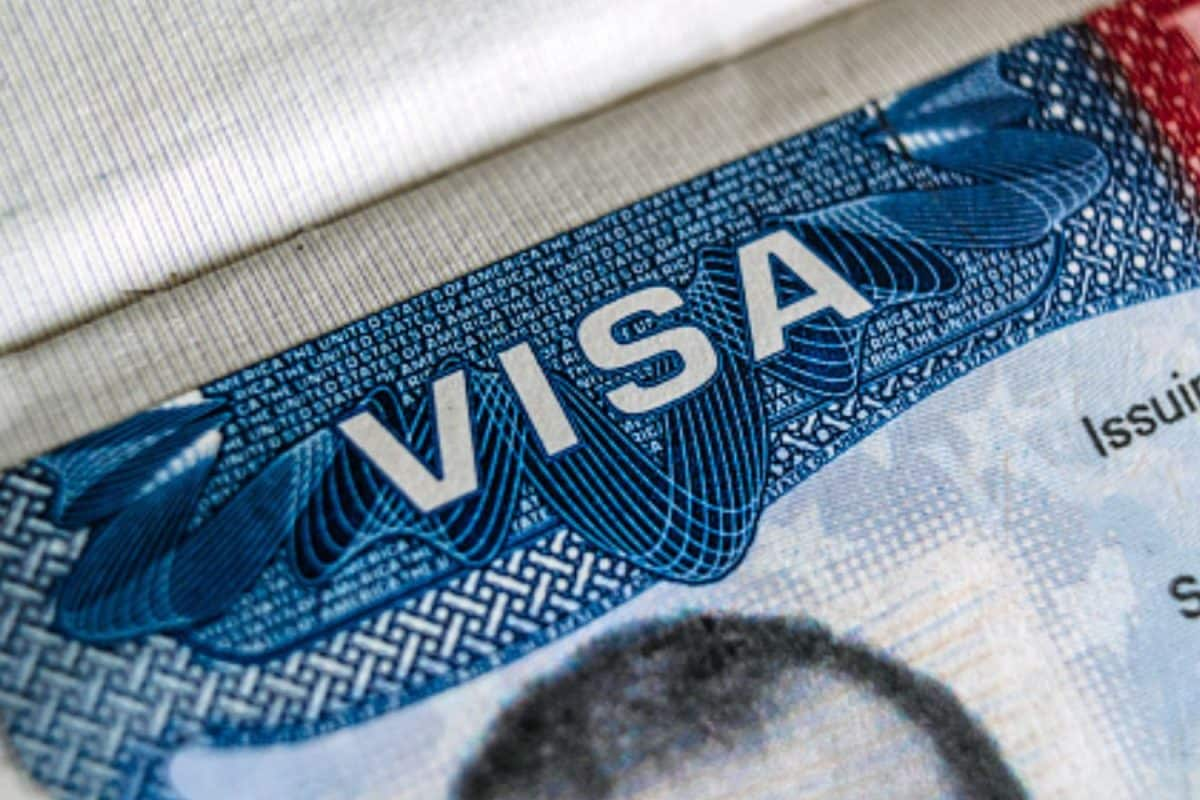
A growing backlog of H-1B visa applications has led to an unprecedented situation in India, with no available interview slots until 2027 at US consulates in major cities. This development has left thousands of Indian professionals and their families in a state of uncertainty and frustration. The H-1B visa, a highly sought-after non-immigrant visa for skilled workers, is now almost inaccessible for Indian applicants, at least in the near future.
The US consulates in Delhi, Mumbai, Chennai, Hyderabad, and Kolkata, which typically handle a large volume of H-1B visa applications, have all run out of regular interview slots. This means that prospective H-1B visa holders in India are facing a wait of several years before they can even schedule an interview, let alone receive a decision on their application. The situation is particularly concerning for those who have already invested time and resources in the application process, including paying the non-refundable visa application fees.
This backlog is not a new issue but has been exacerbated by the COVID-19 pandemic and subsequent consular closures. The pandemic led to a significant reduction in consular operations, causing a massive buildup of pending cases. Despite efforts to resume normal services, the consulates are struggling to manage the overwhelming number of applications. The US Embassy in India has acknowledged the issue, stating that they are "working diligently to increase visa processing capacity in India." However, the current situation highlights the challenges faced by the US consular system in handling the demand for visas, especially in a post-pandemic world.
The impact of this delay is far-reaching, affecting not only individuals but also businesses and the broader economy. Many Indian professionals are now considering alternative destinations or seeking other visa options, potentially leading to a brain drain and impacting the US's ability to attract global talent. As the situation unfolds, it remains to be seen how the US government will address this growing backlog and ensure a more efficient visa processing system.
Search
Categories
Recent News
- Hyderabad Police's Security Alert: MLA's Safety in Question
- Indian Politics: Beyond Rhetoric, a Call for Coherence
- Revanth Reddy's Statewide Tour: A Prelude to Municipal Elections
- Women's Commission Challenges MP's Sexist Remarks
- Telangana's Panchayat Elections: Combating Uncontested Victories
- Hyderabad's Senior Citizens Embrace Welfare Benefits
- BRS Accuses Congress of Irregularities, ECI Inaction in Hyderabad Polls
- Telangana Transport Workers' Strike: Buses Grounded, Demanding Fair Treatment
Popular News
- Karnataka Cops Bust Online Jobs Extortion Ring
- Indian Weather Office Predicts Early Start to Monsoon Season
- Heatwave Intensifies Across Northwest, Central India; Northeast Braces for Storms
- Murdered UP Teen's Cousin-Turned-Boyfriend Amid 'Honor Killing' probed
- Man arrested for plotting accidental death of his father