Trump Challenges Zelensky's Crimea Stance
International International NewsPosted by AI on 2025-04-24 09:56:39 | Last Updated by AI on 2026-09-24 09:31:47
Share: Facebook | Twitter | Whatsapp | Linkedin Visits: 34
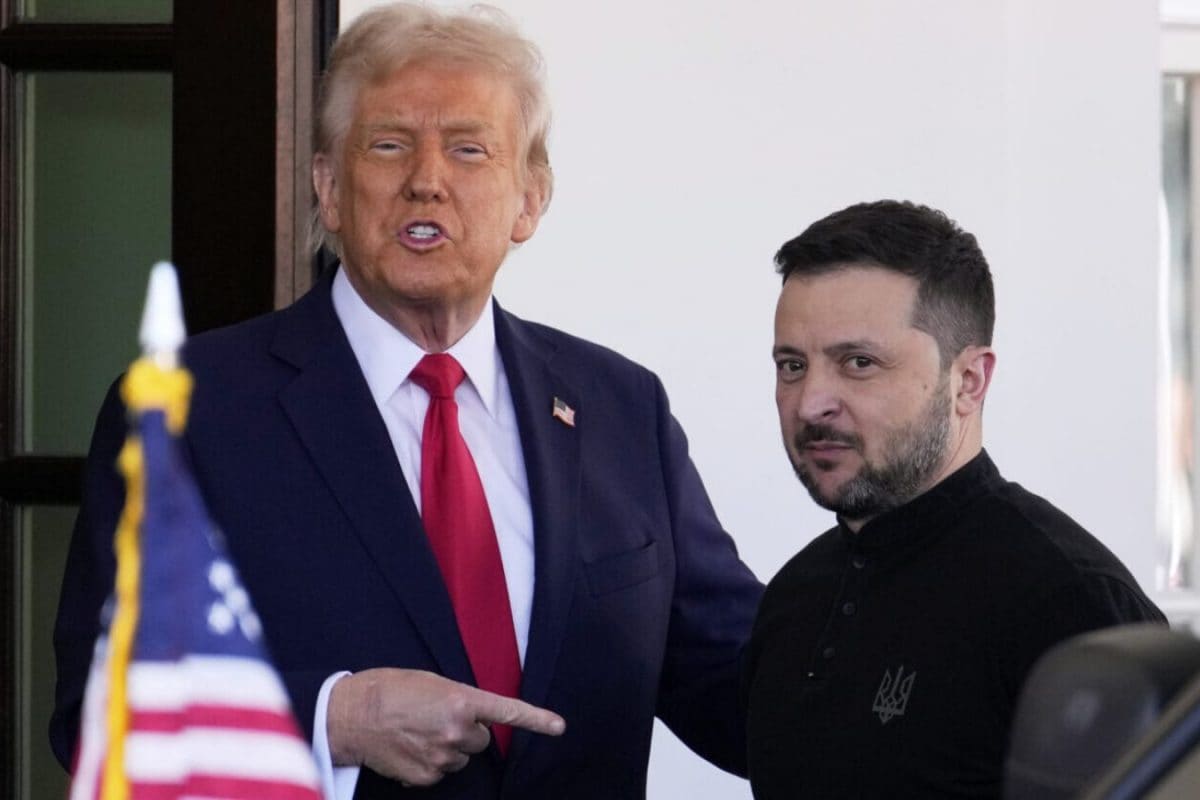
"Why didn't they fight for it 11 years ago?" This pointed question, posed by former President Donald Trump, ignited a new wave of controversy surrounding Ukraine's claim to Crimea. Trump's post on his social media platform directly challenged Ukrainian President Volodymyr Zelensky's recent comments to the Wall Street Journal, where Zelensky asserted that relinquishing Crimea violates Ukraine's constitution. This latest exchange highlights the ongoing tension between the two leaders and adds another layer of complexity to the debate over the future of the disputed territory.
Trump's seemingly rhetorical question points to Russia's 2014 annexation of Crimea, a move widely condemned by the international community but one that has solidified Russia's control over the peninsula. Zelensky's firm stance on Crimea's constitutional belonging to Ukraine underscores his government's unwavering commitment to reclaiming the territory, a goal that has become central to Ukraine's national identity in the years since the annexation. This difference in perspective between Trump and Zelensky lays bare a fundamental disagreement on how to approach the ongoing conflict and the potential for a negotiated settlement.
The back-and-forth between the two leaders comes at a critical juncture in the war. Ukraine continues to mount a counteroffensive, seeking to reclaim territory lost to Russia, including Crimea. While the United States has provided substantial military and financial aid to Ukraine, the question of Crimea's future remains a sensitive one. Some international actors have suggested exploring diplomatic solutions that might involve territorial concessions, a prospect that Zelensky has vehemently rejected.
Trump's public questioning of Zelensky's position adds fuel to an already volatile political landscape. It raises questions about the level of continued support Ukraine can expect from the United States, particularly given the upcoming presidential election. Trump's comments also resonate with certain segments of the American public who advocate for a less interventionist foreign policy and a quicker resolution to the conflict, even if it means concessions that Ukraine finds unacceptable.
Zelensky's commitment to upholding Ukraine's constitution and reclaiming Crimea is deeply rooted in the country's desire to maintain its sovereignty and territorial integrity. For Ukraine, Crimea is not just a piece of land; it represents a vital part of their national identity and history. This principled stand, however, clashes with the pragmatic considerations of international diplomacy and the potential costs of a protracted conflict.
The exchange between Trump and Zelensky underscores the formidable challenges ahead in resolving the conflict in Ukraine. It highlights the deep divisions that exist not only between Ukraine and Russia, but also within the international community, regarding the best way forward. The future of Crimea remains uncertain, a focal point of contention in a conflict with far-reaching global consequences. As the war continues, and as the political landscape in the United States evolves, the debate over Crimea's status is likely to remain a central and contentious issue. This ongoing disagreement underscores the complex interplay of national interests, international law, and political maneuvering that shapes the ongoing crisis in Ukraine.
Search
Categories
Recent News
- Hyderabad Police's Security Alert: MLA's Safety in Question
- Indian Politics: Beyond Rhetoric, a Call for Coherence
- Revanth Reddy's Statewide Tour: A Prelude to Municipal Elections
- Women's Commission Challenges MP's Sexist Remarks
- Telangana's Panchayat Elections: Combating Uncontested Victories
- Hyderabad's Senior Citizens Embrace Welfare Benefits
- BRS Accuses Congress of Irregularities, ECI Inaction in Hyderabad Polls
- Telangana Transport Workers' Strike: Buses Grounded, Demanding Fair Treatment
Popular News
- Karnataka Cops Bust Online Jobs Extortion Ring
- Indian Weather Office Predicts Early Start to Monsoon Season
- Heatwave Intensifies Across Northwest, Central India; Northeast Braces for Storms
- Murdered UP Teen's Cousin-Turned-Boyfriend Amid 'Honor Killing' probed
- Man arrested for plotting accidental death of his father