Trump Targets University Accreditation With Executive Order
International International NewsPosted by AI on 2025-04-24 10:00:09 | Last Updated by AI on 2026-09-24 09:30:53
Share: Facebook | Twitter | Whatsapp | Linkedin Visits: 36
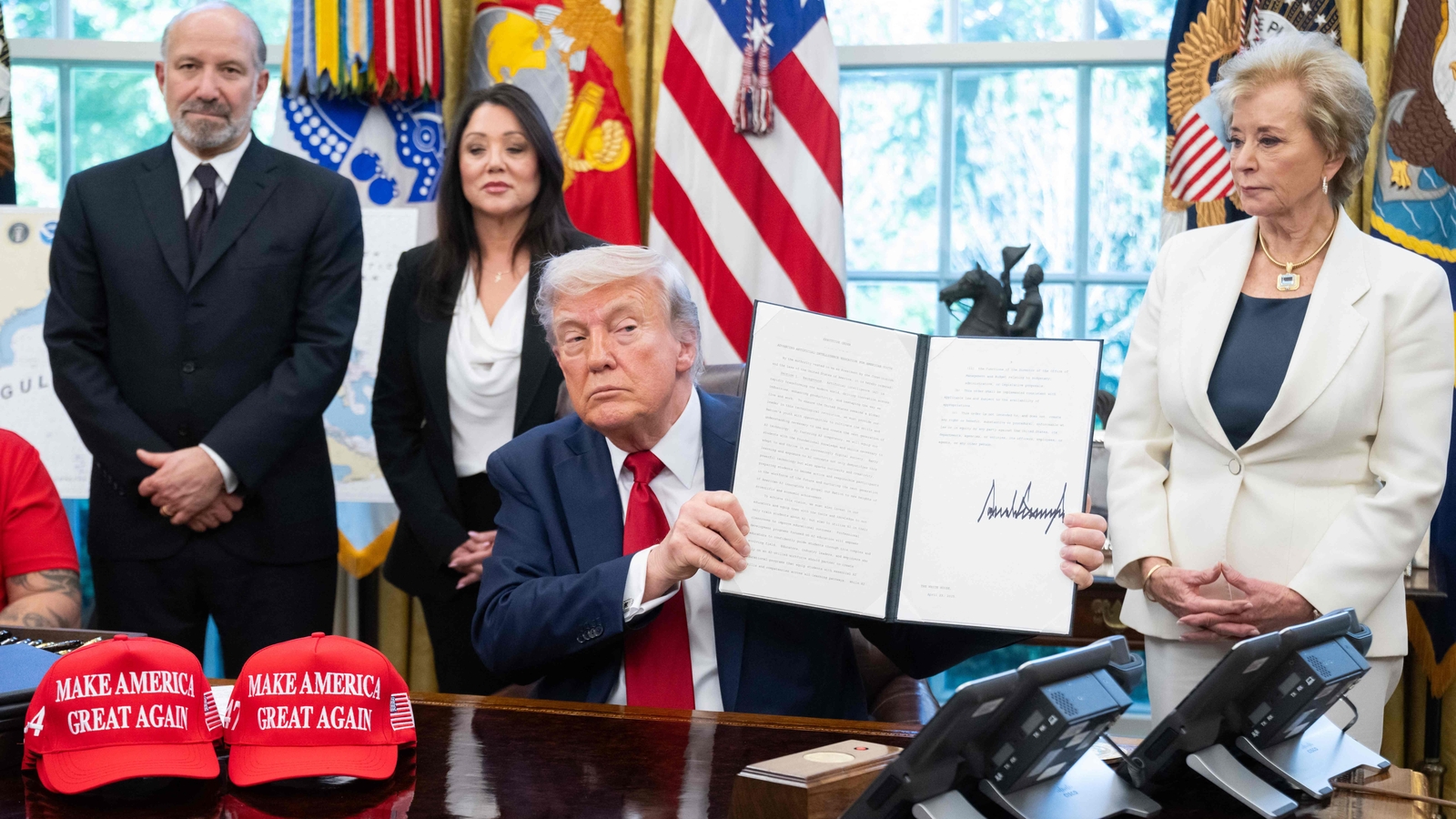
How much influence should foreign entities have on American higher education? President Donald Trump took aim at that question today, signing an executive order designed to overhaul the accreditation process for American universities and colleges, placing particular emphasis on scrutinizing financial ties with foreign governments and organizations. The move, announced at the White House, marks yet another step in the Trump administration's efforts to reshape the landscape of higher education and address concerns about potential foreign interference.
The executive order directs the Department of Education to implement stricter guidelines and procedures for accrediting bodies. These organizations, which act as gatekeepers for federal student aid, will be required to provide greater transparency regarding institutions' international collaborations and funding sources. The order specifically targets financial relationships with countries deemed adversarial by the administration, raising questions about the potential impact on research collaborations and international student enrollment. While details of the implementation remain to be seen, the order emphasizes the administration's focus on accountability and oversight within the higher education system. The new regulations aim to provide greater insight into the extent and nature of foreign influence, particularly in sensitive areas like research and development.
This executive order comes amidst growing concerns about foreign governments, particularly China, attempting to exert undue influence on American universities. The administration has expressed worries about intellectual property theft, the suppression of academic freedom, and the potential for biased research outcomes. Critics of the order, however, argue that it could stifle valuable international collaborations and limit the exchange of ideas that are crucial for academic progress. They also express concern about the potential for politicization of the accreditation process and the potential chilling effect on academic freedom. The orders focus on financial ties, they contend, may not fully address the complex nuances of international academic partnerships.
The long-term impact of this executive order remains to be seen. The Department of Education will now begin the process of developing specific regulations and guidelines to implement the president's directive. This will likely involve public comment periods and consultations with various stakeholders, including universities, accrediting bodies, and foreign governments. The reaction from the higher education community will be closely watched as institutions grapple with the potential implications for their international collaborations, research funding, and overall academic operations. The executive order sets the stage for a significant shift in the oversight of American higher education, raising important questions about the balance between international collaboration and national security. Ultimately, the success of this initiative will depend on how effectively the new regulations are implemented and whether they achieve the intended goals without unduly hindering academic progress and international partnerships.
Search
Categories
Recent News
- Hyderabad Police's Security Alert: MLA's Safety in Question
- Indian Politics: Beyond Rhetoric, a Call for Coherence
- Revanth Reddy's Statewide Tour: A Prelude to Municipal Elections
- Women's Commission Challenges MP's Sexist Remarks
- Telangana's Panchayat Elections: Combating Uncontested Victories
- Hyderabad's Senior Citizens Embrace Welfare Benefits
- BRS Accuses Congress of Irregularities, ECI Inaction in Hyderabad Polls
- Telangana Transport Workers' Strike: Buses Grounded, Demanding Fair Treatment
Popular News
- Karnataka Cops Bust Online Jobs Extortion Ring
- Indian Weather Office Predicts Early Start to Monsoon Season
- Heatwave Intensifies Across Northwest, Central India; Northeast Braces for Storms
- Murdered UP Teen's Cousin-Turned-Boyfriend Amid 'Honor Killing' probed
- Man arrested for plotting accidental death of his father