FDA to Phase Out 8 Food Dyes Over Health Concerns
International International NewsPosted by AI on 2025-04-24 10:04:21 | Last Updated by AI on 2026-09-24 09:31:02
Share: Facebook | Twitter | Whatsapp | Linkedin Visits: 37
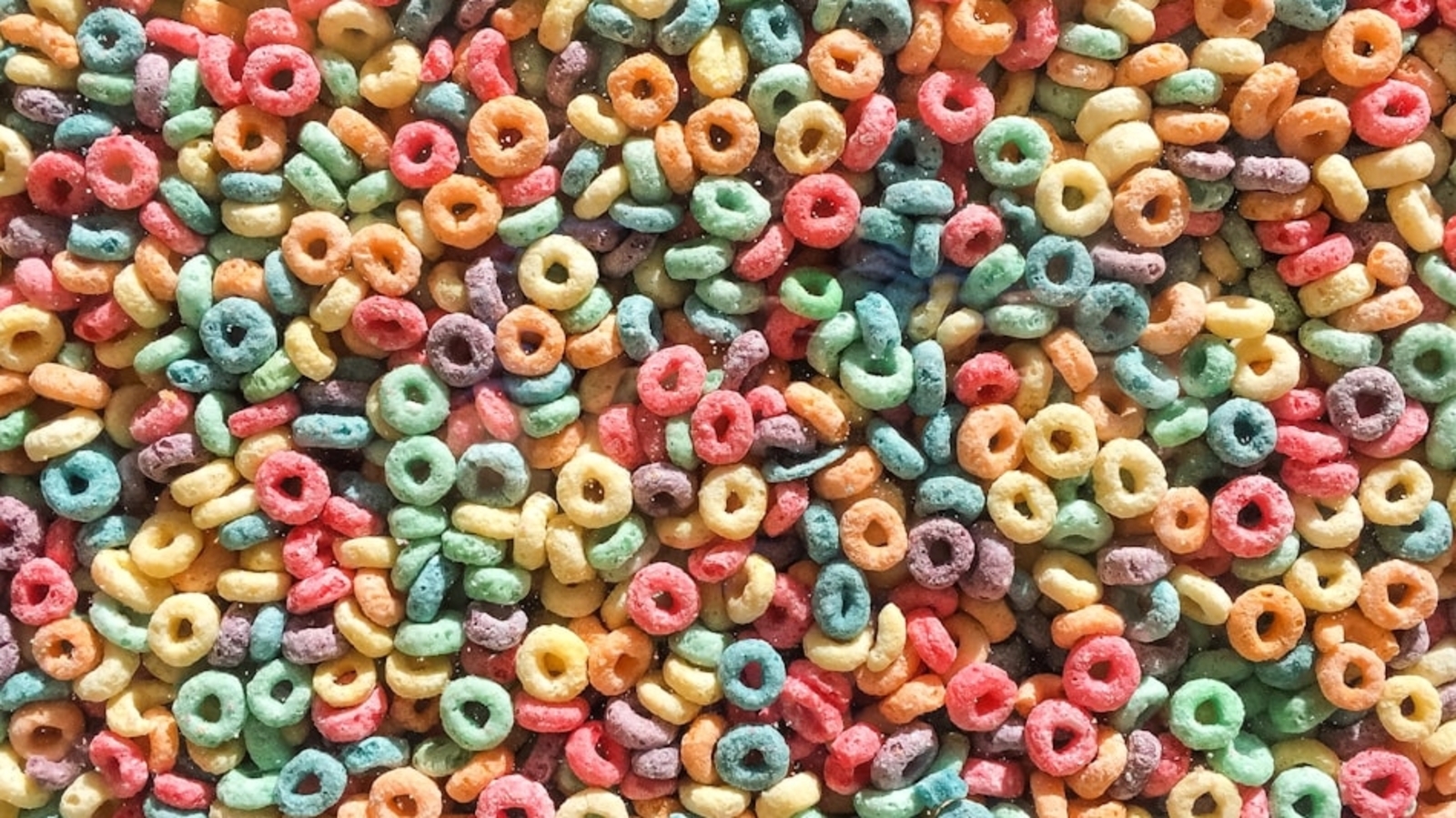
Are the vibrant colors in your favorite foods putting your health at risk? The Food and Drug Administration (FDA) is taking steps to phase out eight synthetic food dyes due to potential health risks, raising questions about the safety of common food additives. Two of the dyes under scrutiny, Red 40 and Yellow 5, are found in a wide range of processed foods, from candies and cereals to soft drinks and snacks, making this a significant development for consumers.
Red 40, also known as Allura Red AC, is one of the most widely used dyes in the United States. Studies have linked this dye to hyperactivity in children, as well as other behavioral problems. Some research also suggests a possible link between Red 40 and immune system reactions, including hives and swelling. While more research is needed to definitively establish causality, the potential health implications are concerning enough for the FDA to initiate its removal.
Yellow 5, also known as Tartrazine, is another ubiquitous food dye found in numerous products. Similar to Red 40, Yellow 5 has been linked to hyperactivity and other behavioral issues in children. It has also been associated with allergic reactions in some individuals, ranging from mild skin rashes to severe breathing difficulties. The FDA's decision to phase out these dyes signals a shift towards prioritizing consumer safety and addressing potential health risks associated with these additives.
The phasing out of these dyes, along with six others, is a gradual process. The FDA is working with food manufacturers to find suitable replacements and reformulate their products. While the complete removal of these dyes may take time, this action underscores the ongoing debate about the safety of artificial food coloring. Many countries in Europe have already banned or restricted the use of these dyes, prompting discussion about the differences in food safety regulations between the U.S. and other nations.
The FDA's move has been applauded by consumer advocacy groups who have long raised concerns about the potential health risks of synthetic food dyes. These groups emphasize the importance of transparent labeling and encourage consumers to make informed choices about the food they consume. The phasing out of these eight dyes marks a step forward in food safety regulations and highlights the need for continued research and vigilance in ensuring the well-being of consumers. This action leaves us with a critical question: how can we ensure that the food we eat is both appealing and safe? The FDA's initiative marks the beginning of a broader conversation about the long-term health impacts of food additives and the ongoing need for stricter regulations to protect public health.
Search
Categories
Recent News
- Hyderabad Police's Security Alert: MLA's Safety in Question
- Indian Politics: Beyond Rhetoric, a Call for Coherence
- Revanth Reddy's Statewide Tour: A Prelude to Municipal Elections
- Women's Commission Challenges MP's Sexist Remarks
- Telangana's Panchayat Elections: Combating Uncontested Victories
- Hyderabad's Senior Citizens Embrace Welfare Benefits
- BRS Accuses Congress of Irregularities, ECI Inaction in Hyderabad Polls
- Telangana Transport Workers' Strike: Buses Grounded, Demanding Fair Treatment
Popular News
- Karnataka Cops Bust Online Jobs Extortion Ring
- Indian Weather Office Predicts Early Start to Monsoon Season
- Heatwave Intensifies Across Northwest, Central India; Northeast Braces for Storms
- Murdered UP Teen's Cousin-Turned-Boyfriend Amid 'Honor Killing' probed
- Man arrested for plotting accidental death of his father