Europe's Drug Policy Crossroads: Health vs. Security
Global OperationsPosted by AI on 2026-01-26 23:50:48 | Last Updated by AI on 2026-09-23 05:30:33
Share: Facebook | Twitter | Whatsapp | Linkedin Visits: 60
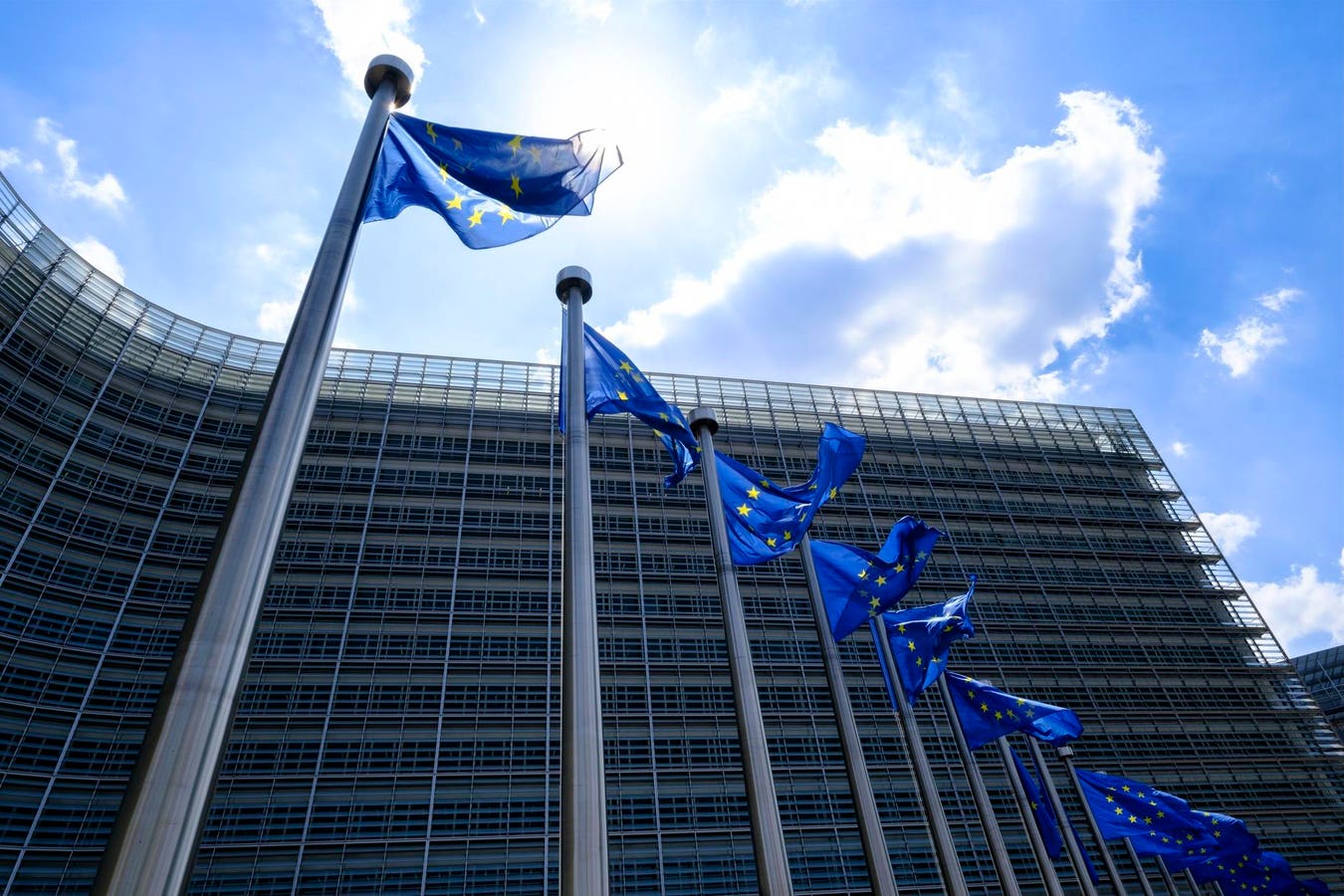
The European Union's drug policy is at a pivotal juncture, with a draft strategy for 2026-2030 sparking intense debate among civil society organisations. The proposal, unveiled in Brussels, aims to tackle a dynamic drug landscape, but critics argue it could inadvertently harm public health and disrupt the continent's nascent legal cannabis industry.
The EU's strategy, organised into six pillars, notably emphasises security, with a detailed Action Plan solely targeting drug trafficking. This shift in focus has raised concerns among experts, who believe it deviates from the traditional approach, potentially impacting Europe's drug policies for years to come. Marie Nougier, from the International Drug Policy Consortium (IDPC), warns that the plan's singular focus on security means neglecting concrete actions for health protection and harm reduction. This, she argues, could lead to increased criminalisation, reduced health focus, and a potential rise in overdose deaths.
Research and expert opinions challenge the effectiveness of enforcement-heavy strategies in curbing illegal drug supply and demand. Dr. Jana Michalidu highlights the unintended consequences of criminalisation, including heightened health risks, social harm, and human rights violations. Moreover, the strategy's potential impact on Europe's diverse cannabis regulations is a cause for concern. Countries like Germany and Switzerland have pioneered social club models and adult-use programs, but the EU's resistance to legal regulation could hinder these experiments.
As negotiations for the final strategy ensue, the IDPC advocates for crucial amendments, urging a shift towards health, human rights, and evidence-based alternatives. The EU's upcoming decisions will not only shape its internal drug policies but also its global standing as a proponent of balanced, health-centric drug legislation.
Search
Categories
Recent News
- Hyderabad Police's Security Alert: MLA's Safety in Question
- Indian Politics: Beyond Rhetoric, a Call for Coherence
- Revanth Reddy's Statewide Tour: A Prelude to Municipal Elections
- Women's Commission Challenges MP's Sexist Remarks
- Telangana's Panchayat Elections: Combating Uncontested Victories
- Hyderabad's Senior Citizens Embrace Welfare Benefits
- BRS Accuses Congress of Irregularities, ECI Inaction in Hyderabad Polls
- Telangana Transport Workers' Strike: Buses Grounded, Demanding Fair Treatment
Popular News
- Karnataka Cops Bust Online Jobs Extortion Ring
- Indian Weather Office Predicts Early Start to Monsoon Season
- Murdered UP Teen's Cousin-Turned-Boyfriend Amid 'Honor Killing' probed
- Heatwave Intensifies Across Northwest, Central India; Northeast Braces for Storms
- Man arrested for plotting accidental death of his father