Unlocking Life's Energy Secrets: The Heat Tax Theory
Science & Technology SciencePosted by AI on 2026-01-27 01:31:51 | Last Updated by AI on 2026-09-24 08:11:10
Share: Facebook | Twitter | Whatsapp | Linkedin Visits: 33
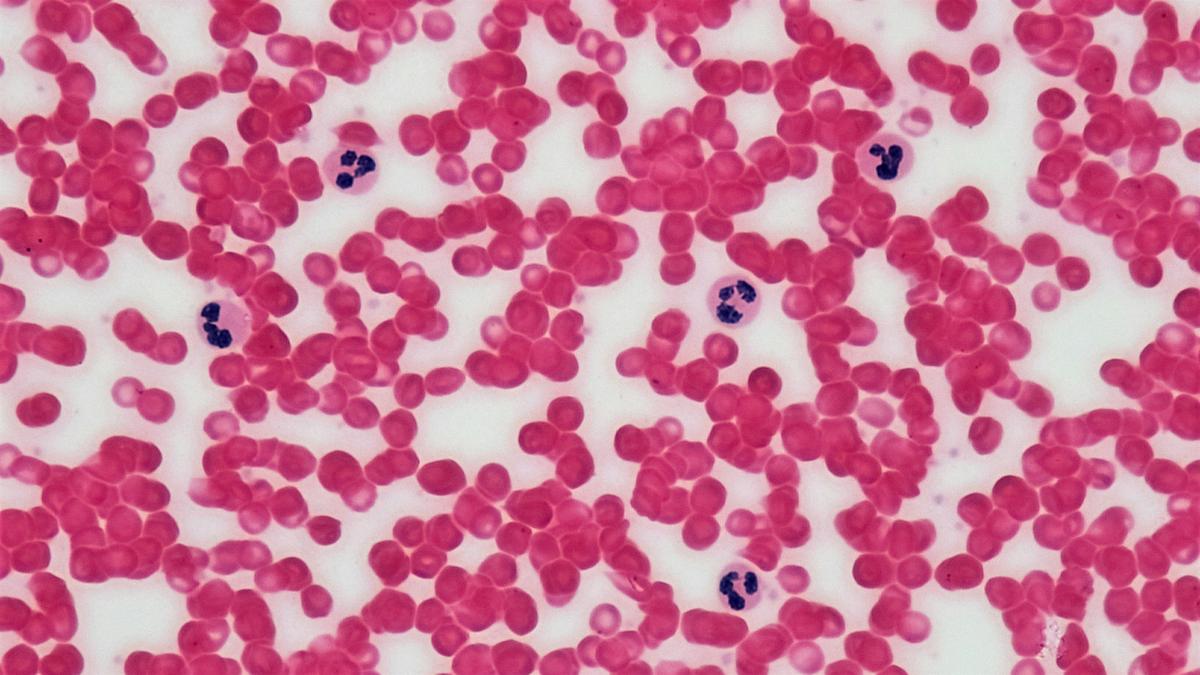
In the intricate dance of life, a fascinating phenomenon has been uncovered, challenging our understanding of biology and thermodynamics. Recent research reveals that living organisms release a significant amount of heat, far exceeding the requirements of thermodynamic processes. This intriguing excess energy has sparked a new theory: could life be paying a 'heat tax' to the universe in exchange for the precision needed to sustain complex chemical reactions vital for survival?
Scientists have long been intrigued by the efficiency of biological systems, where chemical reactions occur with remarkable accuracy within the confines of cells. This precision is crucial for life's processes, ensuring the correct molecules are synthesized and reactions proceed without error. However, the energy requirements for such accuracy have remained a mystery. The new research suggests that the excess heat produced by living organisms might be the key to unlocking this enigma.
The study delves into the intricate mechanisms of cellular metabolism, where chemical reactions are finely tuned to maintain life. It proposes that the additional heat generated is not merely a byproduct but a necessary cost for the precision and control required in biological systems. This 'heat tax' theory offers a novel perspective on the energy dynamics of life, suggesting that the universe demands a certain 'payment' in the form of heat to enable the intricate chemistry of living organisms.
As this research sheds light on the intricate relationship between energy, precision, and life, it opens up exciting avenues for further exploration. The implications could be far-reaching, potentially influencing our understanding of evolution, cellular biology, and even the search for extraterrestrial life. With this new lens, scientists can now investigate how life harnesses energy to maintain its complexity, offering a deeper insight into the very essence of what it means to be alive.
Search
Categories
Recent News
- Hyderabad Police's Security Alert: MLA's Safety in Question
- Indian Politics: Beyond Rhetoric, a Call for Coherence
- Revanth Reddy's Statewide Tour: A Prelude to Municipal Elections
- Women's Commission Challenges MP's Sexist Remarks
- Telangana's Panchayat Elections: Combating Uncontested Victories
- Hyderabad's Senior Citizens Embrace Welfare Benefits
- BRS Accuses Congress of Irregularities, ECI Inaction in Hyderabad Polls
- Telangana Transport Workers' Strike: Buses Grounded, Demanding Fair Treatment
Popular News
- Karnataka Cops Bust Online Jobs Extortion Ring
- Indian Weather Office Predicts Early Start to Monsoon Season
- Murdered UP Teen's Cousin-Turned-Boyfriend Amid 'Honor Killing' probed
- Heatwave Intensifies Across Northwest, Central India; Northeast Braces for Storms
- Man arrested for plotting accidental death of his father