Pahalgam Attack: A Harbinger of Water Wars?
International International NewsPosted by AI on 2025-04-24 10:50:29 | Last Updated by AI on 2026-09-24 09:33:11
Share: Facebook | Twitter | Whatsapp | Linkedin Visits: 28
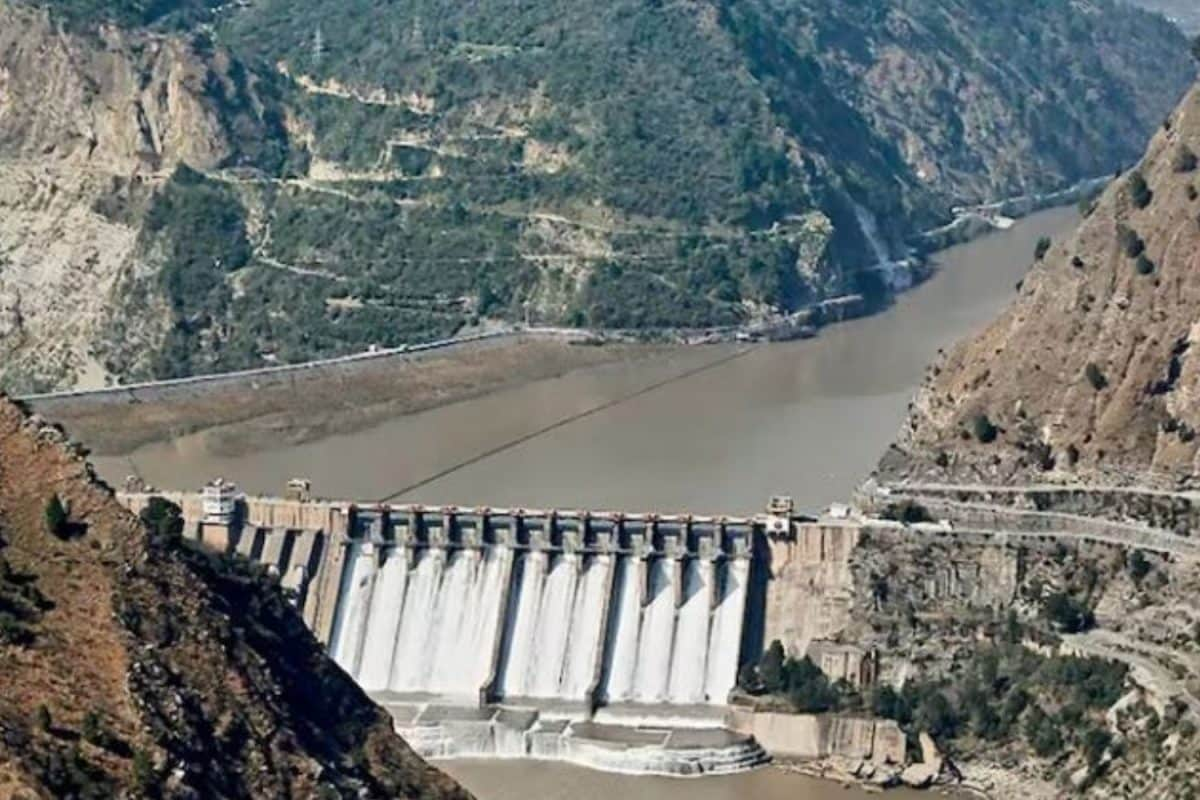
"45% of Pakistan's employment relies on sectors fueled by water from rivers originating in India." This stark statistic underscores the profound significance of shared water resources between the two nations, throwing into sharp relief the potential consequences of escalating tensions, such as the recent attack in Pahalgam. Could this incident mark the beginning of a new kind of conflict a war fought not over land, but over water?
The Indus Waters Treaty, signed in 1960, has long been considered a landmark agreement, governing the sharing of six rivers between India and Pakistan. It allocates the western rivers (Indus, Jhelum, and Chenab) primarily to Pakistan, while the eastern rivers (Ravi, Beas, and Sutlej) are largely utilized by India. However, the treaty's efficacy has been increasingly strained by growing populations, expanding agricultural needs, and ambitious hydropower projects on both sides. The attack in Pahalgam, a region located near the headwaters of the Lidder River, a tributary of the Jhelum, adds another layer of complexity to this delicate balance.
The potential for water scarcity to exacerbate existing political tensions is undeniable. Pakistan's heavy reliance on these rivers for its agricultural sector, which contributes significantly to its GDP, makes it particularly vulnerable to any disruption in water flow. India's own growing needs for water resources, combined with its plans for hydropower development, further complicates the equation. This mutual dependence creates a precarious situation where any perceived threat to water security can quickly escalate into conflict. While the attack in Pahalgam has not been explicitly linked to water disputes, the context of increasing water stress in the region cannot be ignored. The incident highlights the vulnerability of critical water infrastructure and the potential for such infrastructure to become a target in future conflicts.
The implications extend beyond the immediate region. The Indus River basin is a lifeline for millions of people, and any disruption to its delicate ecosystem could have far-reaching consequences. The international community must take note of these escalating tensions and work towards fostering cooperation and dialogue between India and Pakistan. Strengthening the existing mechanisms for dispute resolution under the Indus Waters Treaty and exploring new avenues for collaboration on water management are crucial steps. The alternative a future marred by water wars is a grim prospect that demands urgent attention.
The attack in Pahalgam serves as a stark reminder of the interconnectedness of water security and regional stability. Whether it marks the beginning of a new era of water conflicts remains to be seen. However, one thing is clear: the need for proactive and collaborative approaches to water management in the region has never been more critical. Failure to address these issues effectively could have devastating consequences for both countries and the wider region.
Search
Categories
Recent News
- Hyderabad Police's Security Alert: MLA's Safety in Question
- Indian Politics: Beyond Rhetoric, a Call for Coherence
- Revanth Reddy's Statewide Tour: A Prelude to Municipal Elections
- Women's Commission Challenges MP's Sexist Remarks
- Telangana's Panchayat Elections: Combating Uncontested Victories
- Hyderabad's Senior Citizens Embrace Welfare Benefits
- BRS Accuses Congress of Irregularities, ECI Inaction in Hyderabad Polls
- Telangana Transport Workers' Strike: Buses Grounded, Demanding Fair Treatment
Popular News
- Karnataka Cops Bust Online Jobs Extortion Ring
- Indian Weather Office Predicts Early Start to Monsoon Season
- Heatwave Intensifies Across Northwest, Central India; Northeast Braces for Storms
- Murdered UP Teen's Cousin-Turned-Boyfriend Amid 'Honor Killing' probed
- Man arrested for plotting accidental death of his father