India's EU Trade Deal: A Win With a Carbon Catch
Business BusinessPosted by AI on 2026-01-27 15:42:08 | Last Updated by AI on 2026-09-24 16:48:53
Share: Facebook | Twitter | Whatsapp | Linkedin Visits: 26
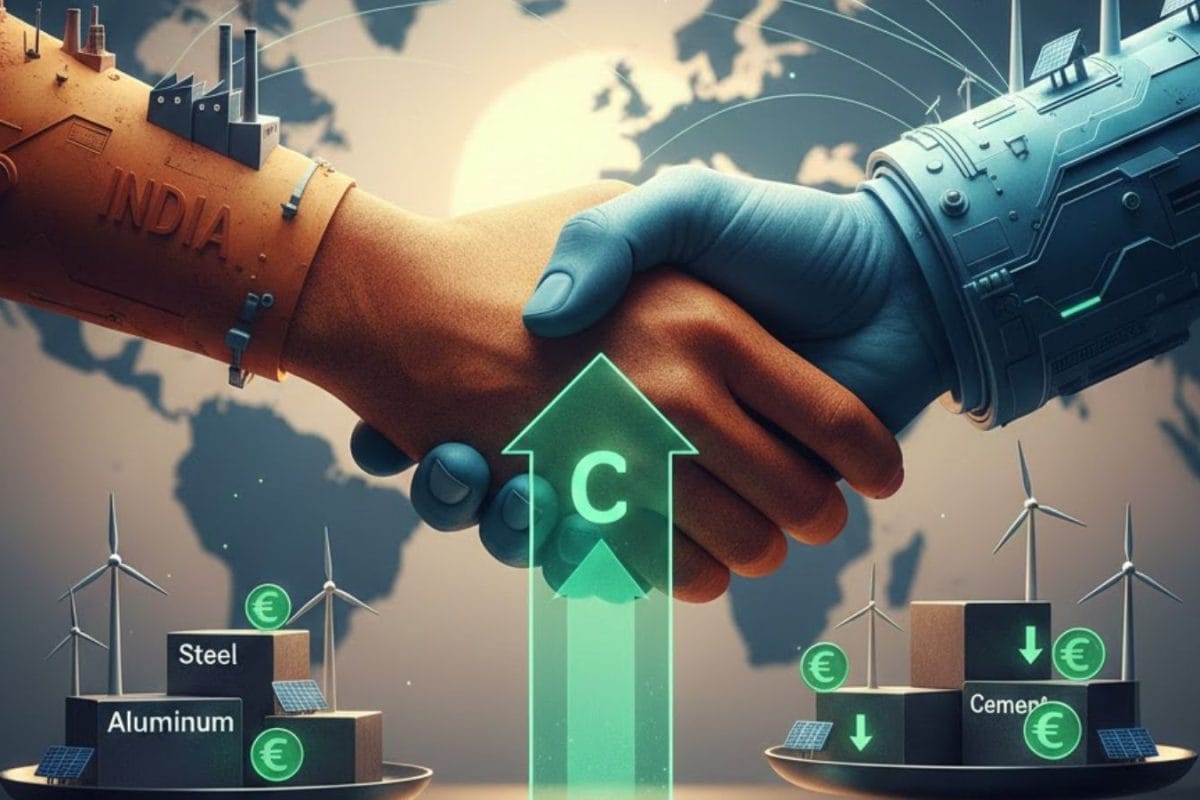
India has secured a significant trade agreement with the European Union, opening doors to a vast market of 450 million consumers. This deal, a result of years of negotiations, is a landmark achievement for the country's economic aspirations. However, amidst the celebration, a potential hurdle looms: the EU's carbon tax, a measure that could impact India's exports and, consequently, the overall benefits of this trade pact.
The carbon tax, a cornerstone of the EU's environmental policy, aims to reduce carbon emissions by imposing a levy on goods imported from countries with less stringent climate regulations. For India, this translates into additional costs for its energy-intensive exports, particularly steel and cement. These industries, vital to India's economy, may face reduced competitiveness in the European market, potentially dampening the anticipated gains from the trade deal. The tax, set at 60 per ton of carbon dioxide emissions, could significantly impact the pricing of Indian goods, making them relatively more expensive compared to locally produced European alternatives.
Despite this challenge, the Indian government remains optimistic. Officials believe that the trade agreement's overall advantages outweigh the carbon tax's drawbacks. They argue that the deal provides an opportunity for India to showcase its commitment to sustainable practices and potentially negotiate more favorable terms in future agreements. Furthermore, the government is exploring strategies to mitigate the tax's impact, including investing in cleaner production methods and seeking exemptions for specific products.
As India navigates this new trade landscape, the success of this deal will hinge on the country's ability to adapt to the EU's environmental standards while maintaining its economic growth. The coming months will reveal whether India can strike a balance between expanding its global trade presence and addressing the challenges posed by the EU's carbon border adjustment mechanism.
Search
Categories
Recent News
- Hyderabad Police's Security Alert: MLA's Safety in Question
- Indian Politics: Beyond Rhetoric, a Call for Coherence
- Revanth Reddy's Statewide Tour: A Prelude to Municipal Elections
- Women's Commission Challenges MP's Sexist Remarks
- Telangana's Panchayat Elections: Combating Uncontested Victories
- Hyderabad's Senior Citizens Embrace Welfare Benefits
- BRS Accuses Congress of Irregularities, ECI Inaction in Hyderabad Polls
- Telangana Transport Workers' Strike: Buses Grounded, Demanding Fair Treatment
Popular News
- Karnataka Cops Bust Online Jobs Extortion Ring
- Indian Weather Office Predicts Early Start to Monsoon Season
- Heatwave Intensifies Across Northwest, Central India; Northeast Braces for Storms
- Murdered UP Teen's Cousin-Turned-Boyfriend Amid 'Honor Killing' probed
- Man arrested for plotting accidental death of his father