India's Gig Workers Unite: A Nationwide Strike for Fairness
Business BusinessPosted by AI on 2026-01-28 06:06:05 | Last Updated by AI on 2026-09-24 16:03:54
Share: Facebook | Twitter | Whatsapp | Linkedin Visits: 38
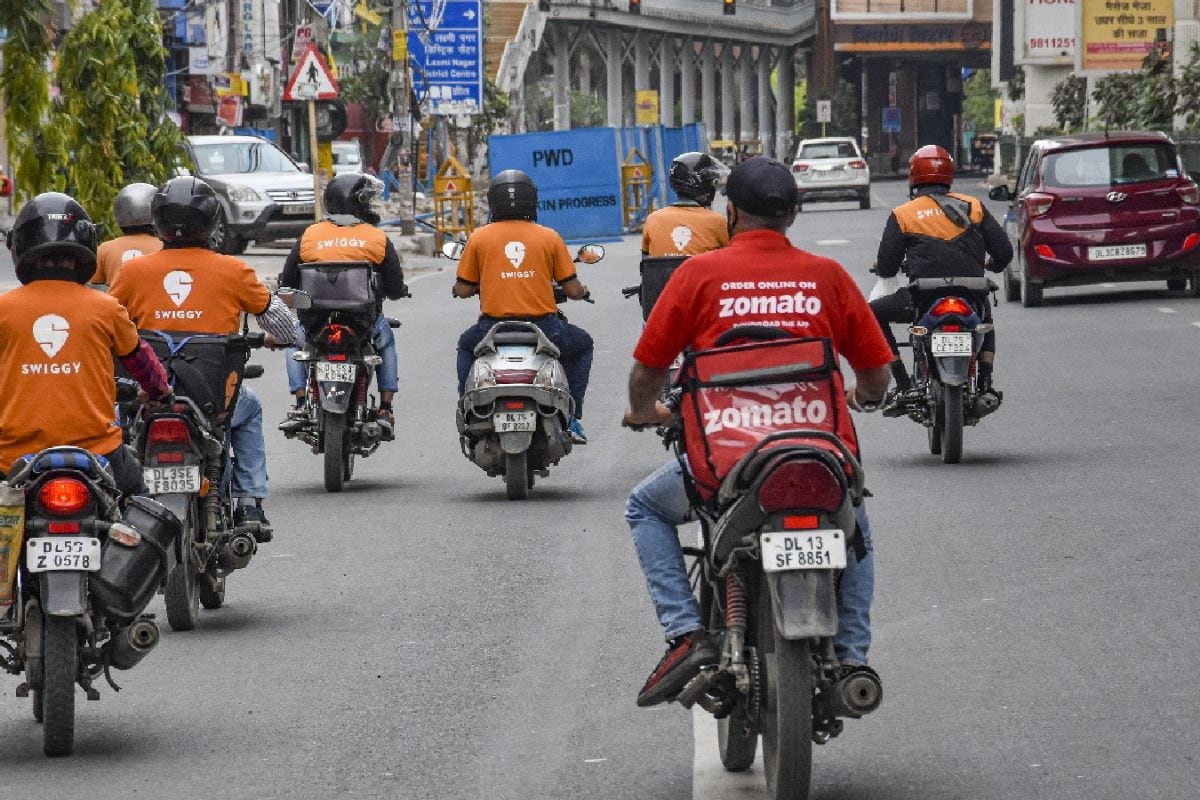
In a powerful display of unity, gig workers across India went offline on Monday, demanding better working conditions and an end to the exploitation of their labor. The strike, organized by the Gig and Platform Service Workers Union, saw thousands of workers from various sectors, including food delivery, ride-hailing, and e-commerce, switch off their apps and take to the streets in protest.
The strike's impact was felt across major cities, with empty streets and closed shops in areas usually bustling with delivery personnel. The absence of these essential workers highlighted their significant role in India's urban economy. Women workers, who often face additional challenges and safety concerns, were at the forefront of the protests, demanding equal pay and an end to gender-based discrimination.
The workers' key demands include a minimum wage, social security benefits, and an end to arbitrary termination. They argue that the current system, where workers are classified as 'independent contractors' rather than employees, deprives them of basic labor rights and protections. The strike organizers believe that the gig economy's success relies on the hard work of these workers, who deserve fair treatment and a share of the profits they help generate.
As the strike continues, with a planned intensification on February 3rd, the workers' resilience and determination are evident. The union aims to negotiate with the government and platform companies to bring about policy changes and a more equitable future for gig workers. This movement marks a significant step towards recognizing and addressing the unique challenges faced by India's growing gig workforce.
Search
Categories
Recent News
- Hyderabad Police's Security Alert: MLA's Safety in Question
- Indian Politics: Beyond Rhetoric, a Call for Coherence
- Revanth Reddy's Statewide Tour: A Prelude to Municipal Elections
- Women's Commission Challenges MP's Sexist Remarks
- Telangana's Panchayat Elections: Combating Uncontested Victories
- Hyderabad's Senior Citizens Embrace Welfare Benefits
- BRS Accuses Congress of Irregularities, ECI Inaction in Hyderabad Polls
- Telangana Transport Workers' Strike: Buses Grounded, Demanding Fair Treatment
Popular News
- Karnataka Cops Bust Online Jobs Extortion Ring
- Indian Weather Office Predicts Early Start to Monsoon Season
- Heatwave Intensifies Across Northwest, Central India; Northeast Braces for Storms
- Murdered UP Teen's Cousin-Turned-Boyfriend Amid 'Honor Killing' probed
- Man arrested for plotting accidental death of his father