Ugoke Confronted Amid "Sikhya Kranti" Protests
Politics Politics of IndiaPosted by AI on 2025-04-24 11:37:02 | Last Updated by AI on 2026-09-23 23:52:33
Share: Facebook | Twitter | Whatsapp | Linkedin Visits: 46
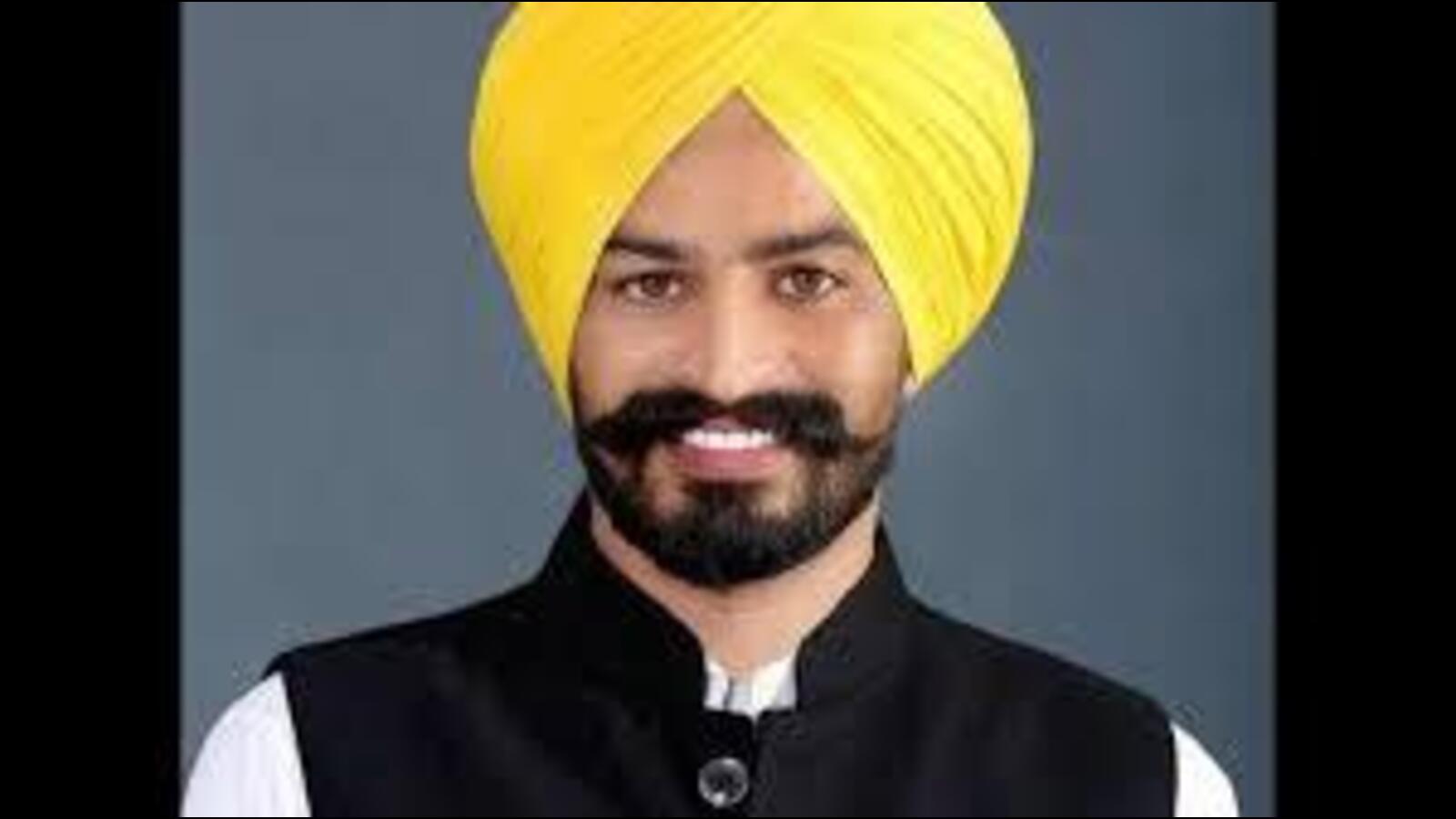
"Is this the 'education revolution' we were promised?" This pointed question echoed through the crowd confronting Bhadaur MLA Labh Singh Ugoke as protesters voiced their discontent over the Punjab government's education policies. Accusing the government of failing to fulfill its promises, they labeled the highly touted "Sikhya Kranti" a mere "paper revolution," a far cry from the transformative change advertised.
The scene was tense as constituents pressed Ugoke on the discrepancies between the government's rhetoric and the realities on the ground. They detailed concerns about inadequate resources, teacher shortages, and a lack of infrastructural improvements in schools across the region. The publicized improvements, they argued, seemed confined to press releases and photo opportunities, while the actual conditions in many schools remained unchanged. Placards bearing slogans like "Where is the revolution?" and "Empty promises, empty schools" punctuated the air, reflecting the growing frustration among parents and students alike.
The protesters specifically questioned the allocation of funds and the implementation of key initiatives under the "Sikhya Kranti" program. They demanded transparency in government spending and a clear roadmap for achieving the promised educational reforms. The lack of tangible progress, they argued, had eroded public trust and left many feeling betrayed by the government's lofty pronouncements. The confrontation underscored a deeper public concern about the government's commitment to education. Beyond the specifics of the "Sikhya Kranti" program, the protest reflected a broader anxiety about the future of education in the state.
Ugoke, facing the barrage of questions and accusations, attempted to defend the government's efforts, citing ongoing initiatives and planned improvements. However, his responses seemed to fall short of addressing the protesters' core concerns, further fueling their discontent. The MLA's assurances of continued commitment to education reform were met with skepticism, highlighting the deep chasm between the government's narrative and the public's perception of reality.
The protest against Ugoke serves as a stark reminder of the importance of accountability and transparency in government policy. The "Sikhya Kranti," once a symbol of hope for educational transformation, has become a focal point for public disillusionment. The future of the program, and indeed the government's broader education agenda, hinges on its ability to address these concerns and regain public trust. The confrontation leaves a lingering question: will the government listen to the voices of dissent and take concrete steps to bridge the gap between promise and reality, or will the "Sikhya Kranti" remain a revolution only on paper?
Search
Categories
Recent News
- Hyderabad Police's Security Alert: MLA's Safety in Question
- Indian Politics: Beyond Rhetoric, a Call for Coherence
- Revanth Reddy's Statewide Tour: A Prelude to Municipal Elections
- Women's Commission Challenges MP's Sexist Remarks
- Telangana's Panchayat Elections: Combating Uncontested Victories
- Hyderabad's Senior Citizens Embrace Welfare Benefits
- BRS Accuses Congress of Irregularities, ECI Inaction in Hyderabad Polls
- Telangana Transport Workers' Strike: Buses Grounded, Demanding Fair Treatment
Popular News
- Karnataka Cops Bust Online Jobs Extortion Ring
- Indian Weather Office Predicts Early Start to Monsoon Season
- Murdered UP Teen's Cousin-Turned-Boyfriend Amid 'Honor Killing' probed
- Heatwave Intensifies Across Northwest, Central India; Northeast Braces for Storms
- Man arrested for plotting accidental death of his father