FD Interest Tax Reform: SBI's Bold Proposal for Budget 2026
Business BusinessPosted by AI on 2026-01-28 13:25:14 | Last Updated by AI on 2026-09-24 15:23:08
Share: Facebook | Twitter | Whatsapp | Linkedin Visits: 41
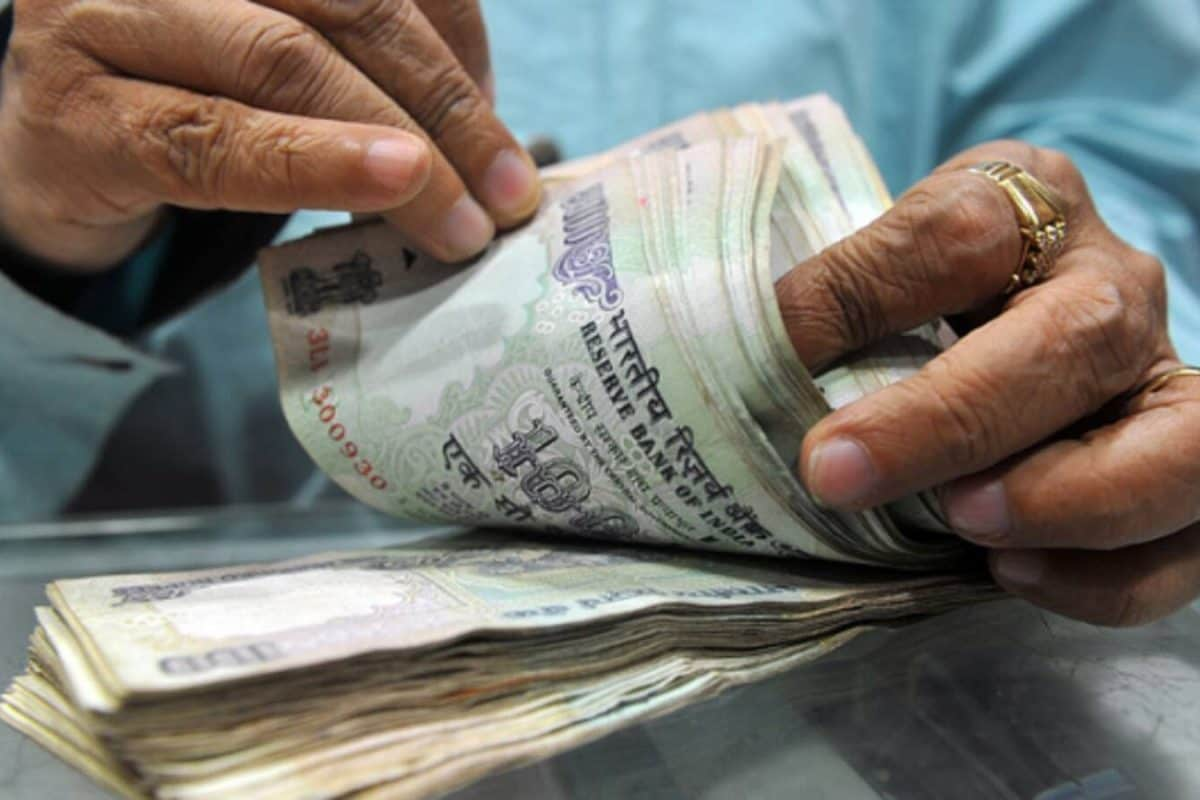
In a significant move, the State Bank of India (SBI) Research has proposed a radical change in the taxation of fixed deposit (FD) interest, suggesting it be treated similarly to capital gains. This proposal, aimed at Finance Minister Nirmala Sitharaman ahead of the upcoming budget, has the potential to reshape the landscape of personal finance in India.
The SBI Research team advocates for a more progressive tax structure, arguing that the current system, which taxes FD interest at the depositor's income tax slab rate, is not equitable. They propose a capital gains-like tax treatment, which could provide a much-needed boost to long-term savings. This reform would encourage individuals to invest in FDs for extended periods, promoting financial stability and security. The research also suggests reducing the lock-in period for tax-saving FDs from the current five years to three years, making them more accessible and attractive to a broader range of investors. This move could significantly impact the savings patterns of millions of Indians, especially those in the middle-income bracket, who rely on FDs as a primary investment tool.
Furthermore, the proposal highlights the potential benefits to the economy, including increased liquidity for banks, which could, in turn, boost lending and support economic growth. By encouraging long-term savings, the government can also foster a culture of financial discipline and security among citizens. As the budget season approaches, this proposal has sparked interest and debate among financial experts and the public alike, with many anticipating a potential shift in the way FD interest is taxed. The SBI's suggestion could be a game-changer, offering a more balanced and attractive savings option for the masses while contributing to the overall financial health of the nation.
Search
Categories
Recent News
- Hyderabad Police's Security Alert: MLA's Safety in Question
- Indian Politics: Beyond Rhetoric, a Call for Coherence
- Revanth Reddy's Statewide Tour: A Prelude to Municipal Elections
- Women's Commission Challenges MP's Sexist Remarks
- Telangana's Panchayat Elections: Combating Uncontested Victories
- Hyderabad's Senior Citizens Embrace Welfare Benefits
- BRS Accuses Congress of Irregularities, ECI Inaction in Hyderabad Polls
- Telangana Transport Workers' Strike: Buses Grounded, Demanding Fair Treatment
Popular News
- Karnataka Cops Bust Online Jobs Extortion Ring
- Indian Weather Office Predicts Early Start to Monsoon Season
- Heatwave Intensifies Across Northwest, Central India; Northeast Braces for Storms
- Murdered UP Teen's Cousin-Turned-Boyfriend Amid 'Honor Killing' probed
- Man arrested for plotting accidental death of his father