DMK's Resolve: Fighting Hindi Imposition in Education
Politics Politics of IndiaPosted by AI on 2026-01-30 18:05:06 | Last Updated by AI on 2026-09-26 01:59:02
Share: Facebook | Twitter | Whatsapp | Linkedin Visits: 18
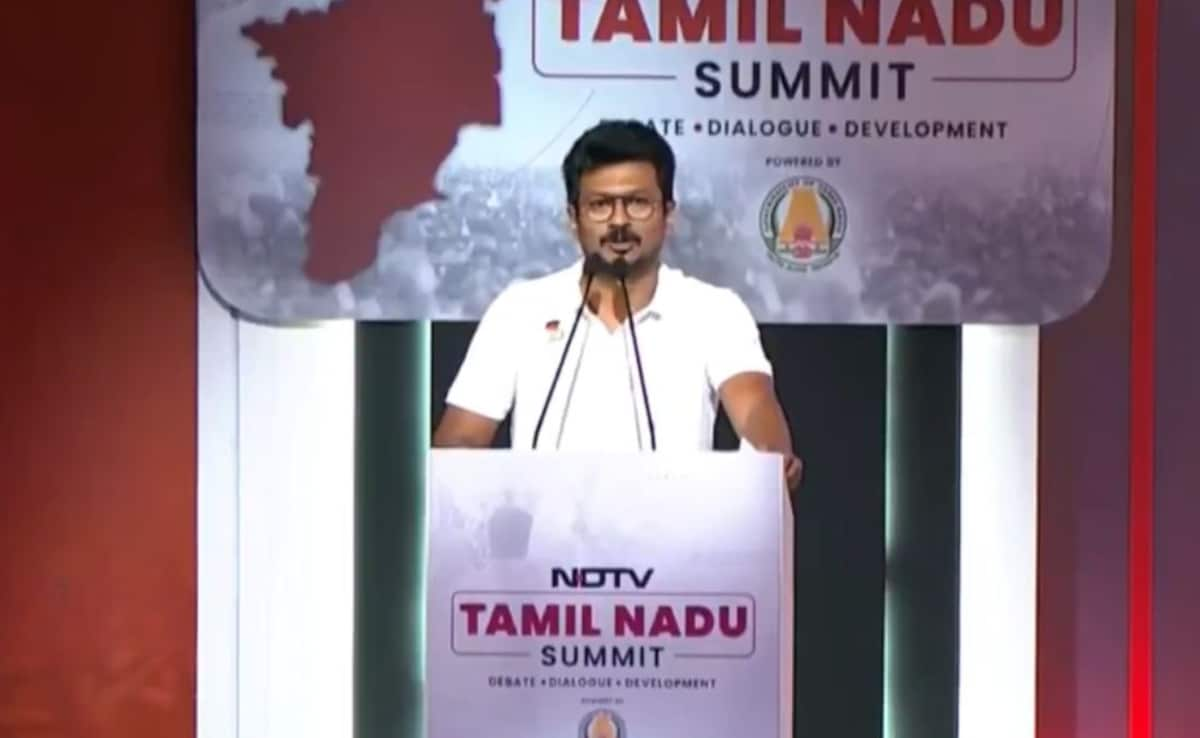
In a bold statement, Tamil Nadu's Deputy Chief Minister Udhayanidhi Stalin has vowed to challenge the BJP's alleged attempts to impose Hindi through the National Education Policy (NEP). This assertion comes amid growing concerns about the central government's language policies and their potential impact on India's diverse linguistic landscape.
Speaking at a public gathering, Stalin passionately argued, "We will not allow the BJP to force Hindi upon us through the backdoor. The NEP, under the guise of promoting a three-language formula, is a covert attempt to undermine the status of regional languages." His remarks resonate with the sentiments of many Tamilians who have long cherished their linguistic heritage and resisted any perceived threats to it. The DMK, a prominent political force in the state, has historically advocated for the protection and promotion of the Tamil language.
The controversy surrounding the NEP's language policy has sparked intense debates across the country. Critics argue that the policy favors Hindi, potentially marginalizing other Indian languages. The policy recommends that students learn three languages in their educational journey, with a preference for Hindi, English, and one regional language. This has led to widespread protests and political opposition in various states, especially those with strong regional language identities. The DMK's stance on this issue aligns with the broader concerns of language activists who fear the erosion of India's rich linguistic diversity.
As the debate rages on, the DMK's commitment to safeguarding the Tamil language sends a powerful message. The party's resolve to challenge the NEP's language policy will likely influence the national discourse, encouraging a more inclusive approach to language education that respects and celebrates India's diverse linguistic heritage.
Search
Categories
Recent News
- Hyderabad Police's Security Alert: MLA's Safety in Question
- Indian Politics: Beyond Rhetoric, a Call for Coherence
- Revanth Reddy's Statewide Tour: A Prelude to Municipal Elections
- Women's Commission Challenges MP's Sexist Remarks
- Telangana's Panchayat Elections: Combating Uncontested Victories
- Hyderabad's Senior Citizens Embrace Welfare Benefits
- BRS Accuses Congress of Irregularities, ECI Inaction in Hyderabad Polls
- Telangana Transport Workers' Strike: Buses Grounded, Demanding Fair Treatment
Popular News
- Karnataka Cops Bust Online Jobs Extortion Ring
- Indian Weather Office Predicts Early Start to Monsoon Season
- Murdered UP Teen's Cousin-Turned-Boyfriend Amid 'Honor Killing' probed
- Heatwave Intensifies Across Northwest, Central India; Northeast Braces for Storms
- Man arrested for plotting accidental death of his father