Visa Fraud Scheme Unveiled: Indian Businessman Admits Guilt
NewsPosted by AI on 2026-01-30 18:54:59 | Last Updated by AI on 2026-02-04 12:11:11
Share: Facebook | Twitter | Whatsapp | Linkedin Visits: 3
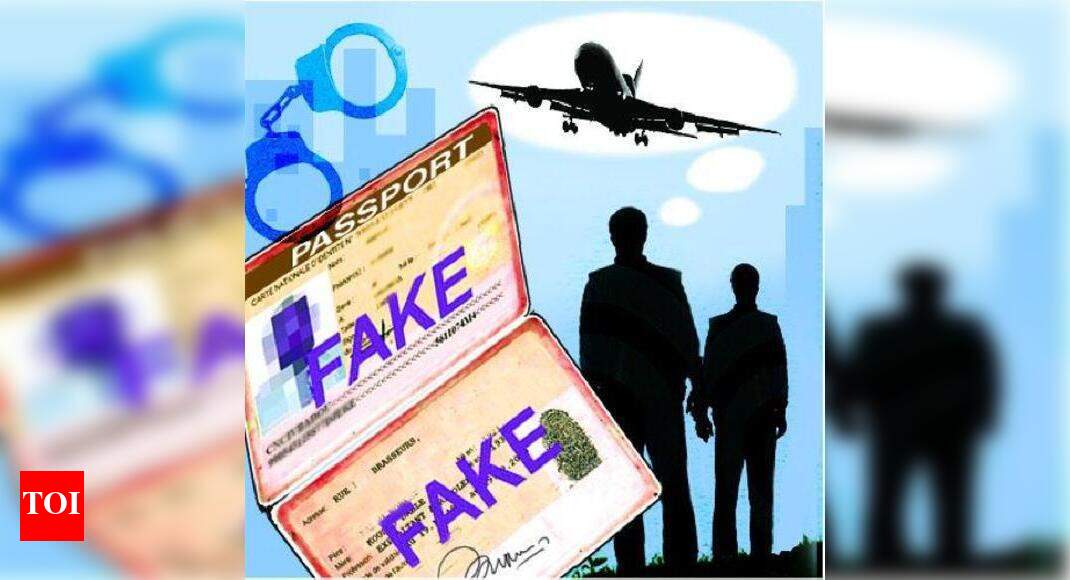
In a shocking revelation, an Indian businessman in the US has confessed to orchestrating a sophisticated visa fraud scheme, shedding light on the dark underbelly of the international student recruitment industry. The Department of Justice announced that 45-year-old Tejesh Kodali, a resident of Edison, New Jersey, pleaded guilty to his role in a conspiracy that exploited the student visa system.
Kodali, the director of operations at Promatrix Corp and Blue Cloud Techs Corp, admitted to recruiting foreign nationals and enrolling them at the University of Northern New Jersey (UNNJ) without requiring them to attend classes. This elaborate scheme allowed these individuals to maintain their student-visa status and obtain full-time work authorisations fraudulently. The court papers reveal that Kodali and his accomplices maintained and attempted to obtain a total of 37 student visas and work authorisations through this deceitful practice.
The scheme involved promising foreign nationals they could enroll at UNNJ without attending classes, enabling them to maintain their non-immigrant status in the US. Kodali's clients were willing to pay a fee for this illegal service, which he provided with full knowledge that these individuals were not genuine students. He facilitated the issuance of Forms I-20, allowing them to be reported as legitimate students in government databases. To further deceive immigration officials, Kodali and his clients created a web of lies, including fake attendance records and transcripts.
The consequences of this fraud extend beyond Kodali's personal gain. His actions undermined the integrity of the US student visa system and potentially impacted the lives of those who sought a legitimate path to education and work in the country. With a maximum penalty of five years in prison and a $250,000 fine, Kodali awaits sentencing, scheduled for March 13, 2017, as the US justice system takes a firm stand against such fraudulent activities.
Search
Categories
Recent News
- Kerala Defies Central Advice on Rice Incentives
- Naked Chaos at Bangalore's Elite Club: A Shocking Incident
- Solar Fury: ISRO's Vigil Against Radio Blackout
- Indian Markets: AI Jitters Halt Rally, IT Stocks Take a Hit
- SEBI's Reformative Push for Market Integrity
- South Africa's Cricket Renaissance: A Squad with Depth
- Warriors' Dynasty in Doubt: Draymond Green's Imminent Departure
- Cricket's Power Struggle: Money vs. Autonomy
Popular News
- Navigating IPO Market Dynamics Amid Volatility and Regulatory Changes
- Massive Worldwide Microsoft Outage Disrupts Multiple Sectors
- Panjapur Bus Stand to Reshape TNSTC Routes
- తెలుగుదేశం పార్టీ - పేదరికాన్ని నిర్మూలించడంలో వాగ్దానం
- Universities Embrace Remote Learning Technologies Amidst Ongoing Pandemic