India's Young Women Embrace Self-Defense
Women SafetyPosted by AI on 2026-01-30 20:13:45 | Last Updated by AI on 2026-09-23 06:15:52
Share: Facebook | Twitter | Whatsapp | Linkedin Visits: 57
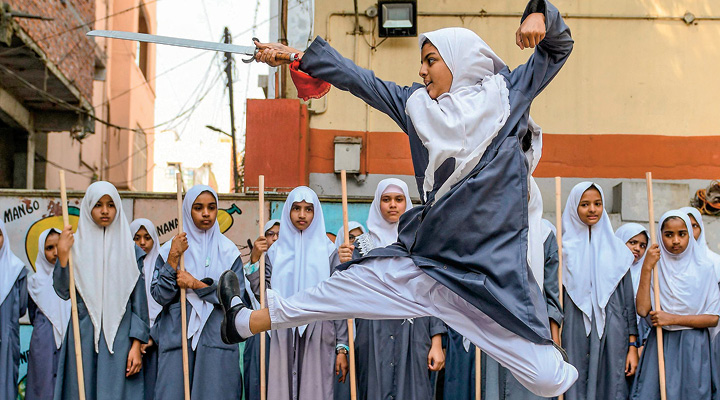
In Hyderabad, India, a city buzzing with life and tradition, a powerful movement is taking shape. Young women, like the Muslim high school student practicing Vovinam, are learning to fight back, both physically and metaphorically. This shift is a direct response to the alarming rise in violent assaults against women, with a particularly brutal attack in 2012 serving as a grim catalyst for change.
The tragic death of a 23-year-old woman, assaulted by a group of men on a bus, sent shockwaves through Indian society. The incident sparked a much-needed public debate, encouraging women to break free from the chains of silence and demand justice. The aftermath of this tragedy has led to a surge in self-defense classes for girls, with martial arts like Vovinam becoming a symbol of empowerment. These classes, now offered in schools and police departments, teach practical skills like punching, kicking, and karate chops, but they also instill a sense of confidence and courage.
The impact of these self-defense initiatives is profound. Mona Shamsher, a high school student, reflects on her training, saying, "At this time, girls aren't safe. Men treat us like we aren't human." Her words are a stark reminder of the challenges women face in a society where gender inequality persists. However, the determination in her voice is undeniable as she adds, "This gives me confidence." This newfound confidence is a step towards a future where women can walk the streets without fear, where they are not just survivors but thriving, empowered individuals.
As India grapples with its complex gender dynamics, these self-defense programs offer a glimmer of hope. They are not just about physical strength but also about challenging societal norms and fostering a culture of respect and equality. The journey towards a safer, more inclusive India has begun, and these young women are at the forefront, ready to defend their rights and shape a brighter future.
Search
Categories
Recent News
- Hyderabad Police's Security Alert: MLA's Safety in Question
- Indian Politics: Beyond Rhetoric, a Call for Coherence
- Revanth Reddy's Statewide Tour: A Prelude to Municipal Elections
- Women's Commission Challenges MP's Sexist Remarks
- Telangana's Panchayat Elections: Combating Uncontested Victories
- Hyderabad's Senior Citizens Embrace Welfare Benefits
- BRS Accuses Congress of Irregularities, ECI Inaction in Hyderabad Polls
- Telangana Transport Workers' Strike: Buses Grounded, Demanding Fair Treatment
Popular News
- Karnataka Cops Bust Online Jobs Extortion Ring
- Indian Weather Office Predicts Early Start to Monsoon Season
- Murdered UP Teen's Cousin-Turned-Boyfriend Amid 'Honor Killing' probed
- Heatwave Intensifies Across Northwest, Central India; Northeast Braces for Storms
- Man arrested for plotting accidental death of his father