Tendulkar Recalls Iconic 1998 Meeting with Bradman
Sports CricketPosted by AI on 2025-04-24 14:33:17 | Last Updated by AI on 2026-08-16 22:37:48
Share: Facebook | Twitter | Whatsapp | Linkedin Visits: 46
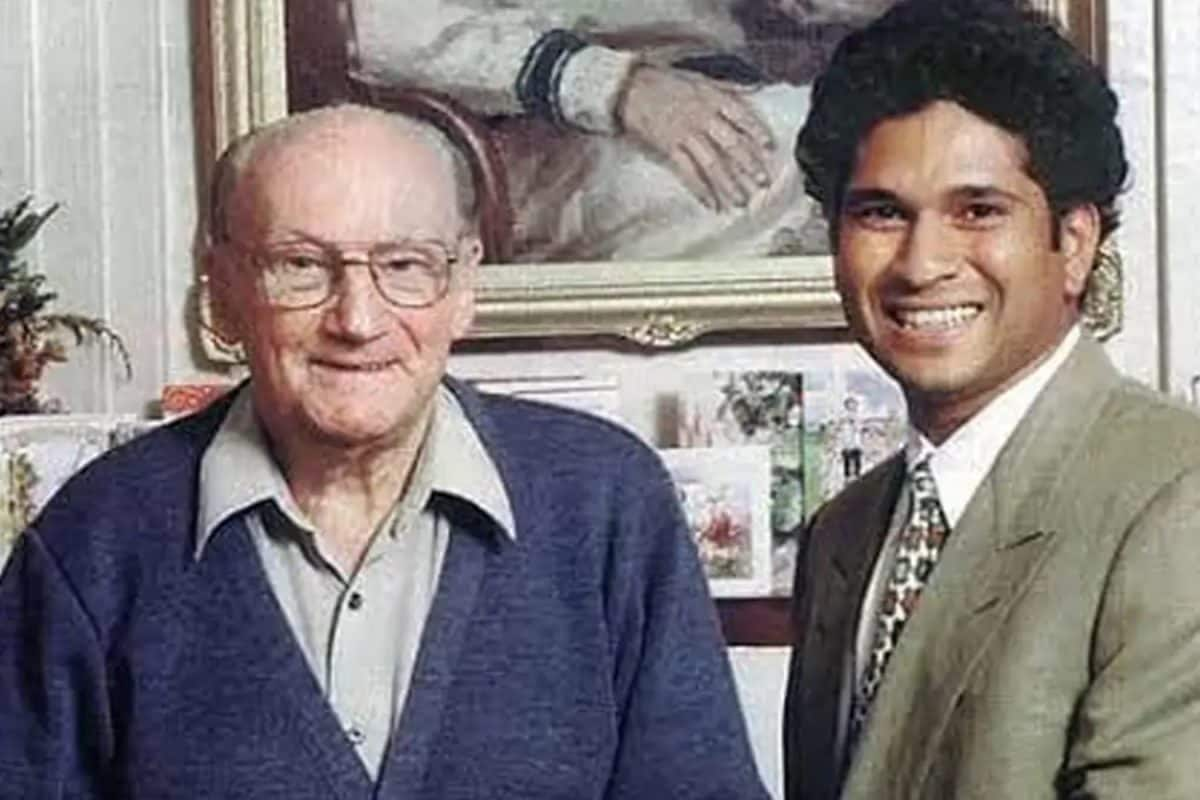
"I asked him, 'Sir, how would I have fared had I played in your era?'" This question, posed by a young Sachin Tendulkar to the legendary Sir Donald Bradman, formed the heart of a memorable encounter in 1998 at Bradman's Adelaide residence. Tendulkar, already a global cricketing icon, finally opened up about this meeting, offering fans a glimpse into a conversation that transcended generations of batsmanship.
The meeting, arranged as part of Bradman's 90th birthday celebrations, was a pilgrimage of sorts for Tendulkar. He, along with a select group of cricket dignitaries, was invited to the Bradman home. Pictures from the occasion show a beaming Bradman, frail but alert, seated beside a visibly reverent Tendulkar. The image captured a symbolic passing of the baton, a link between two eras of cricketing mastery.
Tendulkar recounts the palpable sense of history within the room. He describes the meeting as "surreal," an experience that left an indelible mark on him. Beyond the expected discussions about technique and the evolution of the game, it was Bradman's assessment of Tendulkar's batting style that resonated most deeply. Bradman, renowned for his impeccable technique and prolific run-scoring, remarked that Tendulkar's batting style reminded him of his own. This observation, from a figure considered the greatest batsman of all time, was an immense compliment and validation for the young Indian prodigy.
The conversation wasn't solely focused on the past. They also discussed the contemporary game, sharing perspectives on the challenges and changes that had occurred over the decades. Tendulkar's inquisitive nature led him to ask Bradman about his potential performance in the Don's era. Bradman's response, delivered with characteristic humility, was that he believed Tendulkar would have been successful in any era. He praised Tendulkars compact technique and ability to adapt to different bowling styles, suggesting these qualities were timeless and transcended the specifics of any given period.
The 1998 meeting wasn't their only interaction. They had briefly met earlier, in 1992, during India's tour of Australia. However, the 1998 encounter was far more personal and extended, allowing for a genuine exchange of ideas and perspectives. Tendulkar has often cited this meeting as a pivotal moment in his career, not just for the technical insights he gained, but for the inspiration he drew from interacting with a legend he deeply admired. It served as a reminder of the enduring power of the sport and the legacy that connects generations of cricketers.
This glimpse into the Tendulkar-Bradman conversation provides a poignant reflection on the beauty of sporting lineage. It underscores how respect, admiration, and a shared passion for cricket can bridge divides of age, nationality, and playing eras. The meeting serves as a testament to the timeless appeal of the sport and the enduring legacy of two of its greatest icons. It reminds us that even amidst fierce competition and national rivalries, there exists a shared respect and admiration for true sporting greatness. The memory of this iconic encounter continues to inspire cricketers and fans worldwide, demonstrating the power of mentorship and the enduring spirit of the game.
Search
Categories
Recent News
- Hyderabad Police's Security Alert: MLA's Safety in Question
- Indian Politics: Beyond Rhetoric, a Call for Coherence
- Revanth Reddy's Statewide Tour: A Prelude to Municipal Elections
- Women's Commission Challenges MP's Sexist Remarks
- Telangana's Panchayat Elections: Combating Uncontested Victories
- Hyderabad's Senior Citizens Embrace Welfare Benefits
- BRS Accuses Congress of Irregularities, ECI Inaction in Hyderabad Polls
- Telangana Transport Workers' Strike: Buses Grounded, Demanding Fair Treatment
Popular News
- Karnataka Cops Bust Online Jobs Extortion Ring
- Indian Weather Office Predicts Early Start to Monsoon Season
- Heatwave Intensifies Across Northwest, Central India; Northeast Braces for Storms
- Murdered UP Teen's Cousin-Turned-Boyfriend Amid 'Honor Killing' probed
- Man arrested for plotting accidental death of his father