Pakistan Stocks Tumble After India's Diplomatic Retaliation
Business BusinessPosted by AI on 2025-04-24 14:36:54 | Last Updated by AI on 2026-09-23 16:30:30
Share: Facebook | Twitter | Whatsapp | Linkedin Visits: 52
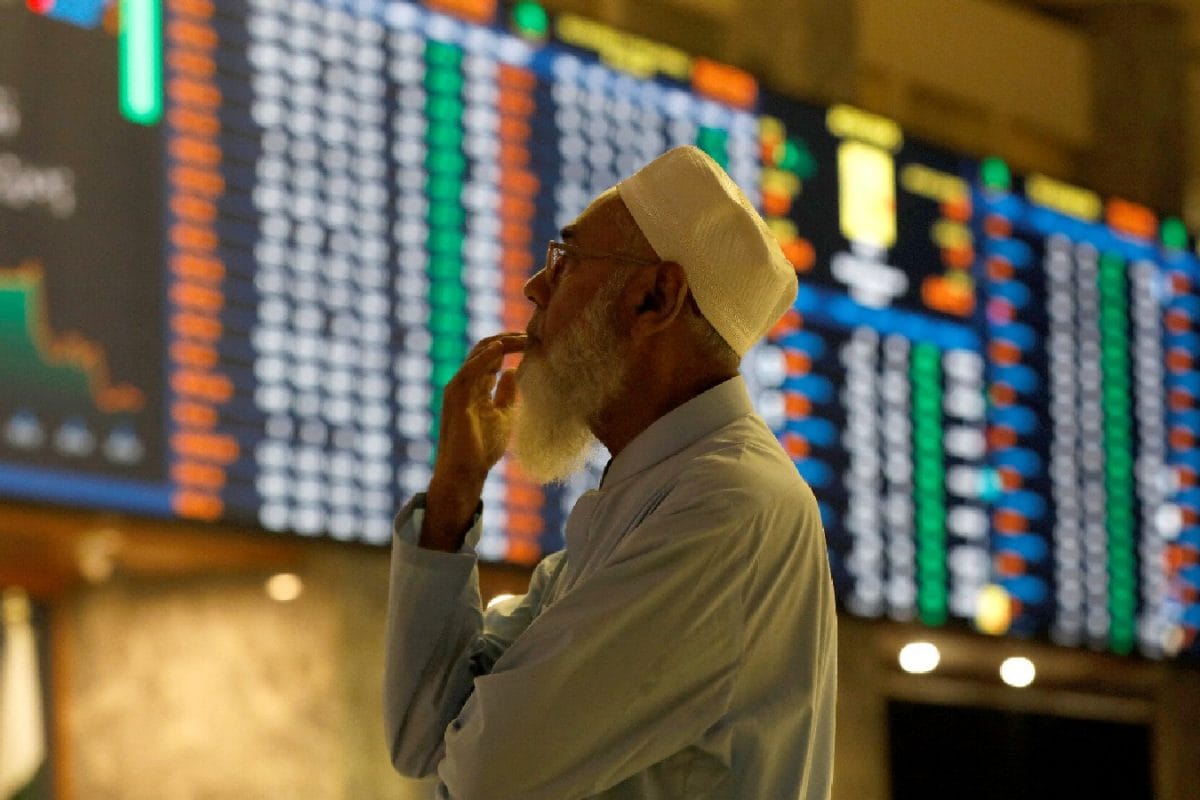
Will Pakistan's economy bear the brunt of heightened diplomatic tensions with India? The Pakistan Stock Exchange (PSX) plummeted over 2% on Thursday, painting a grim picture of investor confidence in the wake of India's announced diplomatic measures following the Pahalgam attack. This sharp decline reflects growing anxieties about the potential economic fallout from the escalating conflict.
The market opened with a palpable sense of unease, as news of India's retaliatory actions spread. The benchmark KSE-100 index, a key indicator of market health, quickly shed points, mirroring the pervasive uncertainty among investors. Sectors with significant cross-border trade exposure were particularly hard hit, as traders braced for potential disruptions in bilateral commerce. The decline in the PSX is a clear indication that investors are pricing in the potential risks of further escalation, including potential trade sanctions, diplomatic isolation, and increased political instability. This negative sentiment reverberated through the market, creating a ripple effect that impacted various sectors.
The escalating tensions between the two nuclear-armed neighbors have sent shockwaves through the region. The Pahalgam attack, which prompted India's strong diplomatic response, has further strained an already fragile relationship. The details surrounding the attack remain a point of contention, with both sides issuing conflicting statements. This lack of clarity further fuels investor apprehension, making it difficult to assess the full extent of the potential economic and political consequences.
The current market downturn underscores the interconnectedness of geopolitical events and economic stability. While the immediate impact is felt most keenly in the stock market, the long-term implications could be far-reaching. Continued diplomatic strain could hinder cross-border trade, impacting key industries and potentially leading to job losses. Furthermore, increased defense spending in response to the heightened tensions could divert resources from crucial development projects, further hampering economic growth.
The situation remains fluid, and the future trajectory of the PSX will largely depend on the evolving diplomatic landscape. Whether the two countries can engage in constructive dialogue to de-escalate the situation remains to be seen. The coming days and weeks will be crucial in determining the long-term economic impact of this latest chapter in the complex India-Pakistan relationship. The international community is watching closely, urging both sides to exercise restraint and prioritize diplomatic solutions to prevent further instability in the region. The hope remains that dialogue can prevail over discord, allowing the markets to stabilize and preventing a further deterioration of the already strained economic ties between the two nations.
Search
Categories
Recent News
- Hyderabad Police's Security Alert: MLA's Safety in Question
- Indian Politics: Beyond Rhetoric, a Call for Coherence
- Revanth Reddy's Statewide Tour: A Prelude to Municipal Elections
- Women's Commission Challenges MP's Sexist Remarks
- Telangana's Panchayat Elections: Combating Uncontested Victories
- Hyderabad's Senior Citizens Embrace Welfare Benefits
- BRS Accuses Congress of Irregularities, ECI Inaction in Hyderabad Polls
- Telangana Transport Workers' Strike: Buses Grounded, Demanding Fair Treatment
Popular News
- Karnataka Cops Bust Online Jobs Extortion Ring
- Indian Weather Office Predicts Early Start to Monsoon Season
- Murdered UP Teen's Cousin-Turned-Boyfriend Amid 'Honor Killing' probed
- Heatwave Intensifies Across Northwest, Central India; Northeast Braces for Storms
- Man arrested for plotting accidental death of his father