India's Budget 2026: A New Tax Twist for Shareholders
Business BusinessPosted by AI on 2026-02-02 03:31:21 | Last Updated by AI on 2026-09-24 08:55:27
Share: Facebook | Twitter | Whatsapp | Linkedin Visits: 17
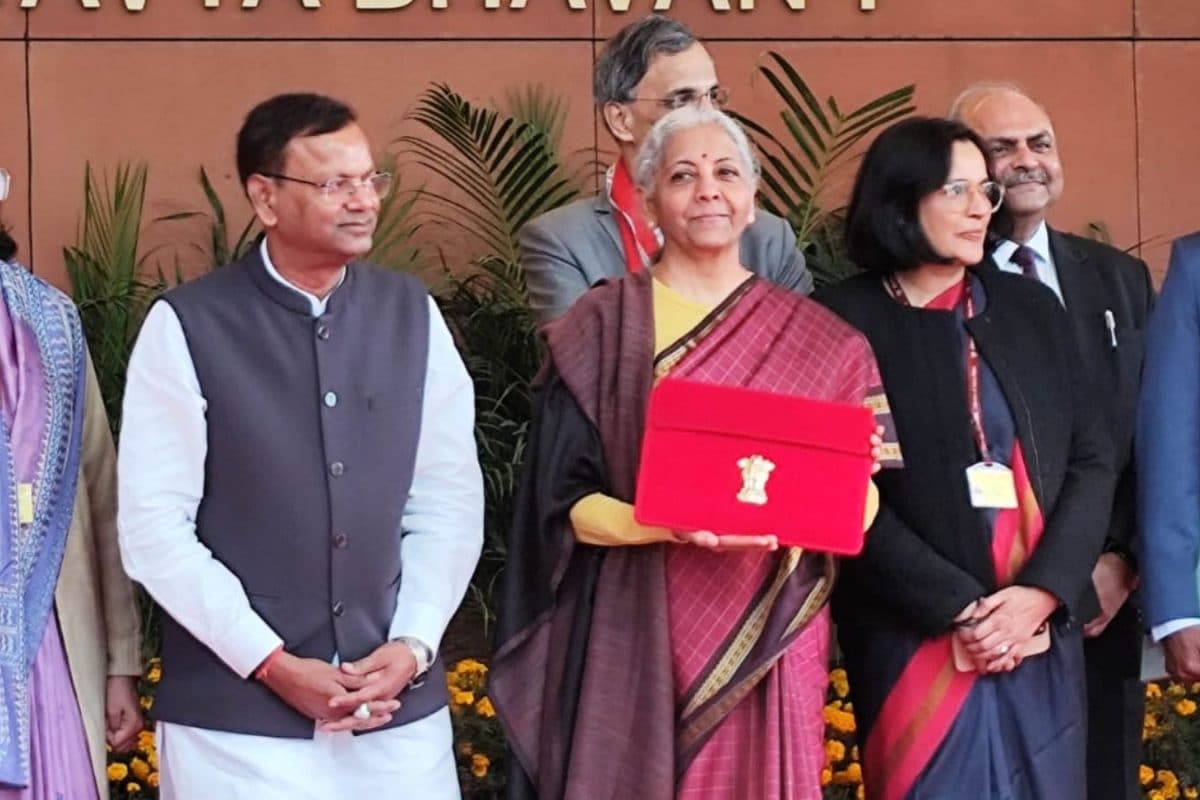
In a significant move, India's Finance Minister Nirmala Sitharaman has proposed a tax overhaul for share buybacks, shifting the tax burden from companies to shareholders. This change, effective from April 1, 2026, is expected to have a profound impact on investor strategies and corporate decisions.
The current system imposes a 20% tax on companies conducting share buybacks, which has been a popular method for firms to return excess cash to shareholders. However, the new proposal aims to streamline the process by eliminating the company-level tax and instead taxing shareholders on their capital gains. This shift is designed to simplify the tax structure and potentially encourage more companies to consider buybacks as a viable option.
This move has sparked mixed reactions among investors and market analysts. Some believe it will provide a more efficient mechanism for wealth distribution, allowing shareholders to directly benefit from the buyback process. On the other hand, critics argue that it may discourage companies from engaging in buybacks, as the tax burden now falls on shareholders, potentially reducing the attractiveness of this corporate action.
As the Indian stock market digests this development, investors are likely to reassess their strategies. Share buybacks, a tool for boosting shareholder value, will now require a more nuanced approach. The market's response will be a key indicator of whether this tax reform achieves its intended goal of simplifying the process or inadvertently creates new complexities in the Indian corporate landscape. With the new financial year fast approaching, stakeholders are eagerly awaiting the implementation and subsequent impact of this significant tax change.
Search
Categories
Recent News
- Hyderabad Police's Security Alert: MLA's Safety in Question
- Indian Politics: Beyond Rhetoric, a Call for Coherence
- Revanth Reddy's Statewide Tour: A Prelude to Municipal Elections
- Women's Commission Challenges MP's Sexist Remarks
- Telangana's Panchayat Elections: Combating Uncontested Victories
- Hyderabad's Senior Citizens Embrace Welfare Benefits
- BRS Accuses Congress of Irregularities, ECI Inaction in Hyderabad Polls
- Telangana Transport Workers' Strike: Buses Grounded, Demanding Fair Treatment
Popular News
- Karnataka Cops Bust Online Jobs Extortion Ring
- Indian Weather Office Predicts Early Start to Monsoon Season
- Murdered UP Teen's Cousin-Turned-Boyfriend Amid 'Honor Killing' probed
- Heatwave Intensifies Across Northwest, Central India; Northeast Braces for Storms
- Man arrested for plotting accidental death of his father