Uniting the Arab World: The League's Mission and Membership
International International NewsPosted by AI on 2026-02-02 13:14:23 | Last Updated by AI on 2026-08-22 15:27:01
Share: Facebook | Twitter | Whatsapp | Linkedin Visits: 23
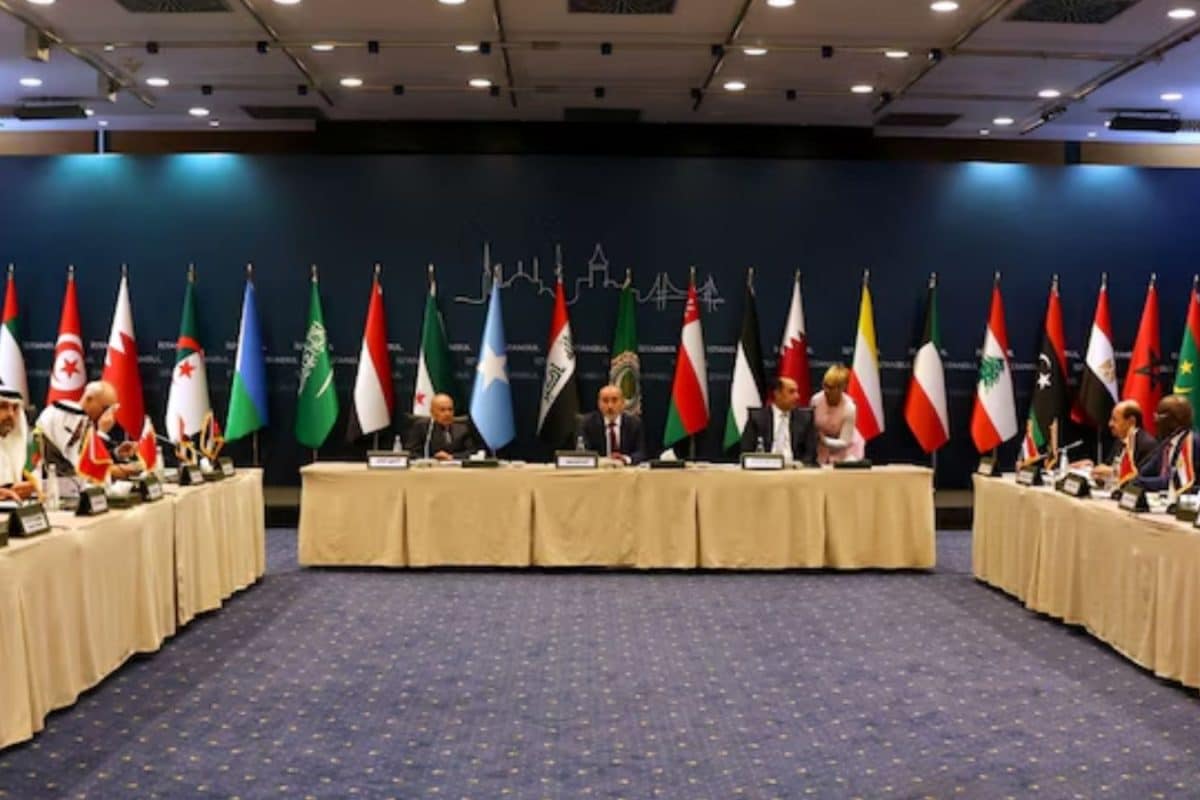
The Arab League, an organization with a profound vision, stands as a testament to the power of unity among nations. With 22 member states spanning across the Middle East and North Africa, this league is more than just a political alliance. It is a collective effort to foster cooperation, protect shared interests, and promote the well-being of the Arab world.
Founded in 1945, the League has been a cornerstone of Arab solidarity, providing a platform for its members to address common challenges and aspirations. Its primary objective is to strengthen political, economic, social, and cultural ties among Arab nations. This unity is particularly crucial in a region often characterized by political instability and external influences. The League serves as a forum for dialogue, enabling members to coordinate policies, resolve disputes, and make collective decisions that impact the region's future.
But who can join this influential league? Membership is open to any independent Arab state that meets the criteria outlined in the League's charter. While the focus is on Arab nations, the League's reach extends beyond ethnicity, encompassing a diverse range of countries with a shared cultural heritage. The inclusion of non-Arab countries with significant Arab populations, such as Somalia and Comoros, further emphasizes the League's commitment to representing the broader Arab community.
As the Arab League continues its mission, it remains a vital force in shaping the political landscape of the Middle East and North Africa. Its ability to bring together diverse nations under a common banner is a testament to the power of unity and cooperation in addressing regional challenges. With a focus on shared interests and a commitment to cultural preservation, the League stands as a symbol of Arab solidarity and a driving force for progress in the region.
Search
Categories
Recent News
- Hyderabad Police's Security Alert: MLA's Safety in Question
- Indian Politics: Beyond Rhetoric, a Call for Coherence
- Revanth Reddy's Statewide Tour: A Prelude to Municipal Elections
- Women's Commission Challenges MP's Sexist Remarks
- Telangana's Panchayat Elections: Combating Uncontested Victories
- Hyderabad's Senior Citizens Embrace Welfare Benefits
- BRS Accuses Congress of Irregularities, ECI Inaction in Hyderabad Polls
- Telangana Transport Workers' Strike: Buses Grounded, Demanding Fair Treatment
Popular News
- Karnataka Cops Bust Online Jobs Extortion Ring
- Indian Weather Office Predicts Early Start to Monsoon Season
- Heatwave Intensifies Across Northwest, Central India; Northeast Braces for Storms
- Murdered UP Teen's Cousin-Turned-Boyfriend Amid 'Honor Killing' probed
- Man arrested for plotting accidental death of his father