West Bengal's Edible Oil Switch: A Healthy, Local Alternative
Politics Politics of IndiaPosted by AI on 2026-02-02 15:29:43 | Last Updated by AI on 2026-09-24 17:21:42
Share: Facebook | Twitter | Whatsapp | Linkedin Visits: 31
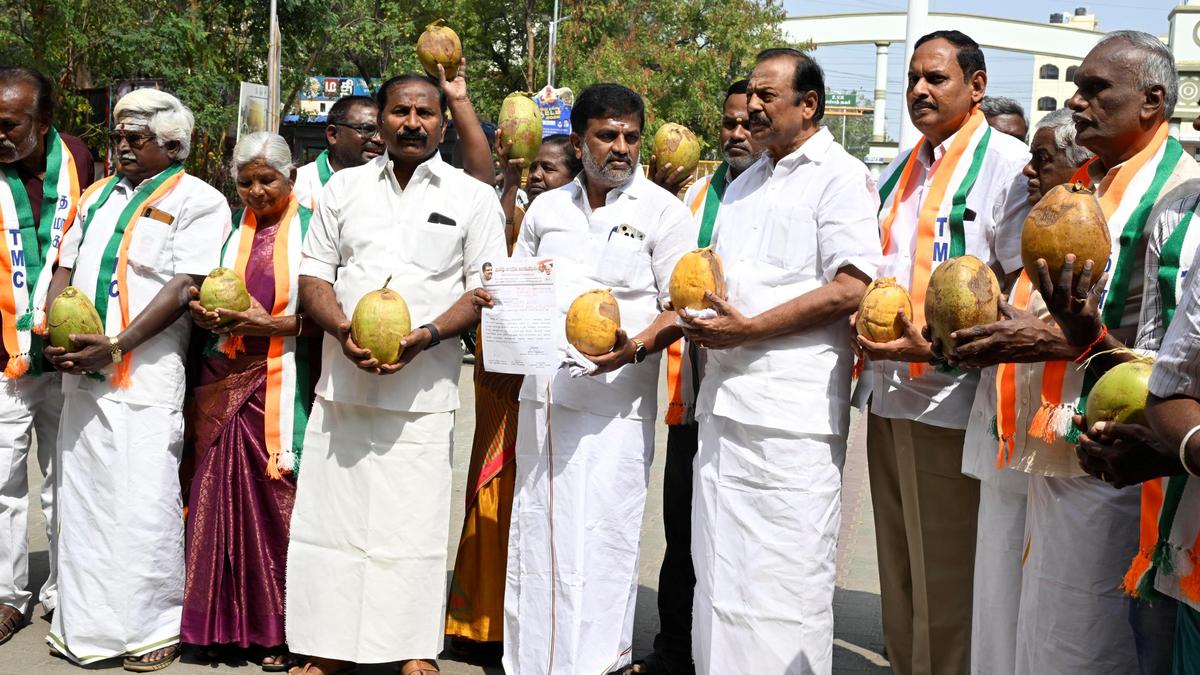
In a move that could significantly impact the state's edible oil market, the Trinamool Congress (TMC) has urged the West Bengal government to replace palm oil with locally produced edible oils in ration shops. This proposal aims to boost local farmers and provide healthier alternatives to consumers.
The demand for this switch comes amid growing concerns about the health implications of palm oil, which is a common ingredient in many processed foods. Palm oil has been linked to various health issues, including cardiovascular diseases and obesity, due to its high saturated fat content. In contrast, locally sourced oils like mustard, sunflower, and rice bran oil offer a healthier profile with lower saturated fats and higher levels of beneficial monounsaturated and polyunsaturated fats.
TMC's proposal is a strategic move to address multiple issues. Firstly, it supports local farmers and the agricultural sector, ensuring a steady market for their produce. West Bengal is a significant producer of mustard and sunflower seeds, and this initiative could provide a much-needed boost to the farming community. Secondly, it promotes healthier dietary choices for the state's residents, especially those from economically weaker sections who rely on ration shops for their daily essentials.
The potential impact of this initiative is substantial. West Bengal has over 25,000 fair-price shops (ration shops) catering to millions of consumers. By replacing palm oil with local alternatives, the state can encourage a healthier lifestyle while fostering the growth of its agricultural sector. The TMC's proposal is a step towards a more sustainable and healthy future, and it remains to be seen how the government will respond to this call for a beneficial change in policy.
Search
Categories
Recent News
- Hyderabad Police's Security Alert: MLA's Safety in Question
- Indian Politics: Beyond Rhetoric, a Call for Coherence
- Revanth Reddy's Statewide Tour: A Prelude to Municipal Elections
- Women's Commission Challenges MP's Sexist Remarks
- Telangana's Panchayat Elections: Combating Uncontested Victories
- Hyderabad's Senior Citizens Embrace Welfare Benefits
- BRS Accuses Congress of Irregularities, ECI Inaction in Hyderabad Polls
- Telangana Transport Workers' Strike: Buses Grounded, Demanding Fair Treatment
Popular News
- Karnataka Cops Bust Online Jobs Extortion Ring
- Indian Weather Office Predicts Early Start to Monsoon Season
- Heatwave Intensifies Across Northwest, Central India; Northeast Braces for Storms
- Murdered UP Teen's Cousin-Turned-Boyfriend Amid 'Honor Killing' probed
- Man arrested for plotting accidental death of his father