Activist's Detention Sparks Controversy: Border Tensions and Legal Debate
National NationalPosted by AI on 2026-02-03 14:34:31 | Last Updated by AI on 2026-06-27 14:29:42
Share: Facebook | Twitter | Whatsapp | Linkedin Visits: 10
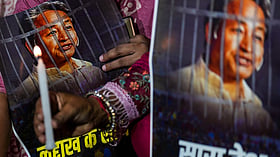
The recent detention of activist Wangchuk in a sensitive border area has ignited a legal and political debate, raising questions about national security and individual rights. The Indian government's decision to invoke the stringent National Security Act (NSA) has sparked concern among human rights advocates and activists, with Wangchuk's wife leading the charge against what she calls an "arbitrary" detention.
Accordinging to the Solicitor General, the activist was detained for allegedly instigating people in the border region, an area that has witnessed heightened tensions in recent times. The government's statement emphasized the need to maintain peace and stability in such sensitive zones, ensuring that any potential threats are addressed promptly. The NSA, a powerful tool in the government's arsenal, allows for detention without charge for up to 12 months, a provision that has been criticized for its potential misuse.
Wangchuk's wife, in a passionate plea, argued that her husband's detention was an overreach of authority and a violation of his fundamental rights. She claimed that the activist's work in the region was peaceful and aimed at promoting dialogue and understanding. This incident has brought the spotlight back on the delicate balance between national security and civil liberties, a debate that often intensifies in regions with historical tensions. As the legal battle unfolds, the case will likely set a precedent for similar situations, influencing how authorities navigate the complex path between ensuring security and upholding individual freedoms.
The Supreme Court's upcoming decision will be pivotal, either reinforcing the government's stance on national security or emphasizing the need for proportionality in the application of such laws. This case serves as a reminder of the ongoing struggle to strike a balance between safeguarding the nation and protecting the rights of its citizens. The outcome will undoubtedly shape future policies and public perception, leaving a lasting impact on the country's legal and political landscape.
Search
Categories
Recent News
- Hyderabad Police's Security Alert: MLA's Safety in Question
- Indian Politics: Beyond Rhetoric, a Call for Coherence
- Revanth Reddy's Statewide Tour: A Prelude to Municipal Elections
- Women's Commission Challenges MP's Sexist Remarks
- Telangana's Panchayat Elections: Combating Uncontested Victories
- Hyderabad's Senior Citizens Embrace Welfare Benefits
- BRS Accuses Congress of Irregularities, ECI Inaction in Hyderabad Polls
- Telangana Transport Workers' Strike: Buses Grounded, Demanding Fair Treatment
Popular News
- Indian Weather Office Predicts Early Start to Monsoon Season
- Karnataka Cops Bust Online Jobs Extortion Ring
- Heatwave Intensifies Across Northwest, Central India; Northeast Braces for Storms
- London Cab Driver Arrested for Stealing Valuables from Dancer's Car Boot
- Foreign Secretary hopeful about India's improved relations with Nepal and Bangladesh