Ladakh Activist's Detention: Instigation or Free Speech?
National NationalPosted by AI on 2026-02-03 15:35:46 | Last Updated by AI on 2026-06-27 13:26:54
Share: Facebook | Twitter | Whatsapp | Linkedin Visits: 9
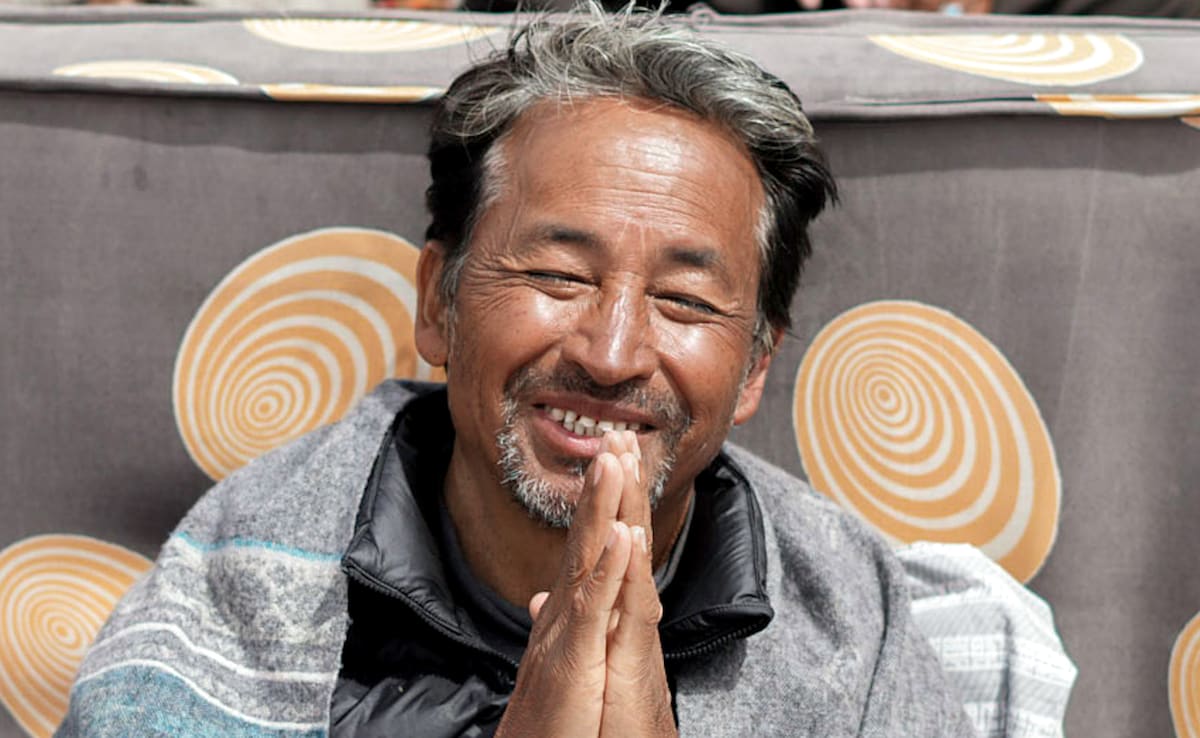
In a recent development, the Indian government has taken a firm stance against climate activist Sonam Wangchuk, detaining him for allegedly inciting people in a sensitive border region. This move has sparked debates about the delicate balance between national security and the right to free speech.
The Supreme Court of India was informed on Tuesday that Wangchuk's detention was necessary due to his activities in a border area of Ladakh, a region with strategic importance. According. to the Centre and the Union Territory of Ladakh administration, Wangchuk was instigating the local population, potentially disrupting the peace in an area where regional sensitivities are a concern. This detention comes amidst growing tensions in the region, with India and China's ongoing border disputes adding to the complexity of the situation.
Sonam Wangchuk, a well-known figure in Ladakh, has been vocal about various issues, including environmental conservation and the rights of the local population. His detention has raised concerns among activists and free speech advocates, who argue that the government's action may have a chilling effect on dissent and public discourse. The timing of this incident is significant as it follows a series of protests and civil disobedience campaigns in Ladakh, where residents have been demanding greater autonomy and a resolution to the long-standing border disputes.
As the Supreme Court hears the matter, the nation watches with anticipation, weighing the importance of national security against the fundamental right to free expression. The outcome of this case will set a precedent for similar situations, shaping the boundaries of free speech in areas deemed sensitive by the state. With tensions high in the region, the court's decision will undoubtedly have far-reaching implications for both national security and civil liberties.
Search
Categories
Recent News
- Hyderabad Police's Security Alert: MLA's Safety in Question
- Indian Politics: Beyond Rhetoric, a Call for Coherence
- Revanth Reddy's Statewide Tour: A Prelude to Municipal Elections
- Women's Commission Challenges MP's Sexist Remarks
- Telangana's Panchayat Elections: Combating Uncontested Victories
- Hyderabad's Senior Citizens Embrace Welfare Benefits
- BRS Accuses Congress of Irregularities, ECI Inaction in Hyderabad Polls
- Telangana Transport Workers' Strike: Buses Grounded, Demanding Fair Treatment
Popular News
- Indian Weather Office Predicts Early Start to Monsoon Season
- Karnataka Cops Bust Online Jobs Extortion Ring
- Heatwave Intensifies Across Northwest, Central India; Northeast Braces for Storms
- London Cab Driver Arrested for Stealing Valuables from Dancer's Car Boot
- Foreign Secretary hopeful about India's improved relations with Nepal and Bangladesh