Trump Aid Cuts Cripple Migrant Support in Mexico
International International NewsPosted by AI on 2025-04-25 00:15:14 | Last Updated by AI on 2026-09-24 11:14:13
Share: Facebook | Twitter | Whatsapp | Linkedin Visits: 43
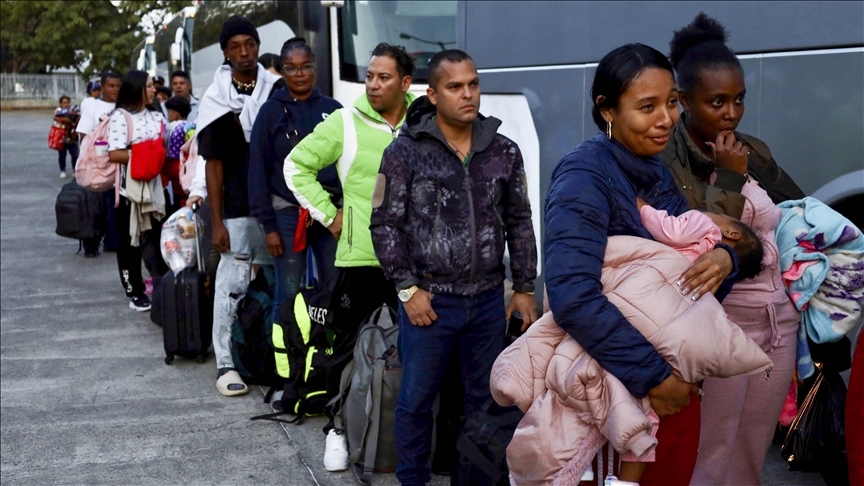
"We're barely surviving," whispers Maria, a Honduran asylum seeker stranded in Tijuana. Her sentiment echoes the desperation of thousands of migrants trapped in Mexican border cities, facing dwindling resources and mounting uncertainty. Recent cuts to U.S. aid aimed at supporting these vulnerable populations have severely hampered the ability of organizations to provide essential services, leaving migrants increasingly exposed to danger and exploitation.
For years, U.S. funding has been crucial in supporting shelters, legal aid organizations, and other groups assisting migrants in Mexico. These funds provided food, shelter, medical care, and legal assistance, offering a lifeline to those navigating the complex asylum process or seeking alternative pathways. The Trump administration's decision to redirect these funds, however, has created a significant gap in essential services. Shelters are overflowing, struggling to provide basic necessities. Legal aid services are stretched thin, leaving many migrants without access to crucial legal advice. The consequences are dire, pushing migrants further into precarious situations.
The aid cuts have had a cascading effect, impacting not only the migrants themselves but also the Mexican border cities hosting them. With fewer resources available, shelters are forced to turn away new arrivals, leaving many to sleep on the streets, exposed to the elements and the risk of crime. The strain on local resources, including healthcare and sanitation systems, is also increasing. The cuts have also fueled tensions between migrants and local communities, further complicating an already challenging situation.
The scarcity of resources has also made migrants more vulnerable to exploitation by criminal organizations. Desperate for work and facing dwindling options, many are forced to accept dangerous jobs or engage in illicit activities just to survive. Women and children are particularly vulnerable, facing increased risks of trafficking and abuse. The reduction in legal aid has also left many migrants uninformed about their rights and options, making them easier targets for exploitation.
These aid cuts come at a time when the number of migrants arriving at the U.S.-Mexico border remains high, further exacerbating the humanitarian crisis. The cuts have not deterred migration, but rather increased the suffering of those seeking refuge. The future remains uncertain for these vulnerable populations, as the already limited support systems struggle to cope with the increasing needs. The situation demands a reassessment of policies and a renewed commitment to providing humanitarian assistance to those fleeing violence and persecution. The international community must step up and address this growing crisis before it spirals further out of control.
Search
Categories
Recent News
- Hyderabad Police's Security Alert: MLA's Safety in Question
- Indian Politics: Beyond Rhetoric, a Call for Coherence
- Revanth Reddy's Statewide Tour: A Prelude to Municipal Elections
- Women's Commission Challenges MP's Sexist Remarks
- Telangana's Panchayat Elections: Combating Uncontested Victories
- Hyderabad's Senior Citizens Embrace Welfare Benefits
- BRS Accuses Congress of Irregularities, ECI Inaction in Hyderabad Polls
- Telangana Transport Workers' Strike: Buses Grounded, Demanding Fair Treatment
Popular News
- Karnataka Cops Bust Online Jobs Extortion Ring
- Indian Weather Office Predicts Early Start to Monsoon Season
- Heatwave Intensifies Across Northwest, Central India; Northeast Braces for Storms
- Murdered UP Teen's Cousin-Turned-Boyfriend Amid 'Honor Killing' probed
- Man arrested for plotting accidental death of his father