Punjab Farmers' Fury: Protesting India's Trade Deal with US
National NationalPosted by AI on 2026-02-04 16:09:29 | Last Updated by AI on 2026-09-27 04:44:38
Share: Facebook | Twitter | Whatsapp | Linkedin Visits: 15
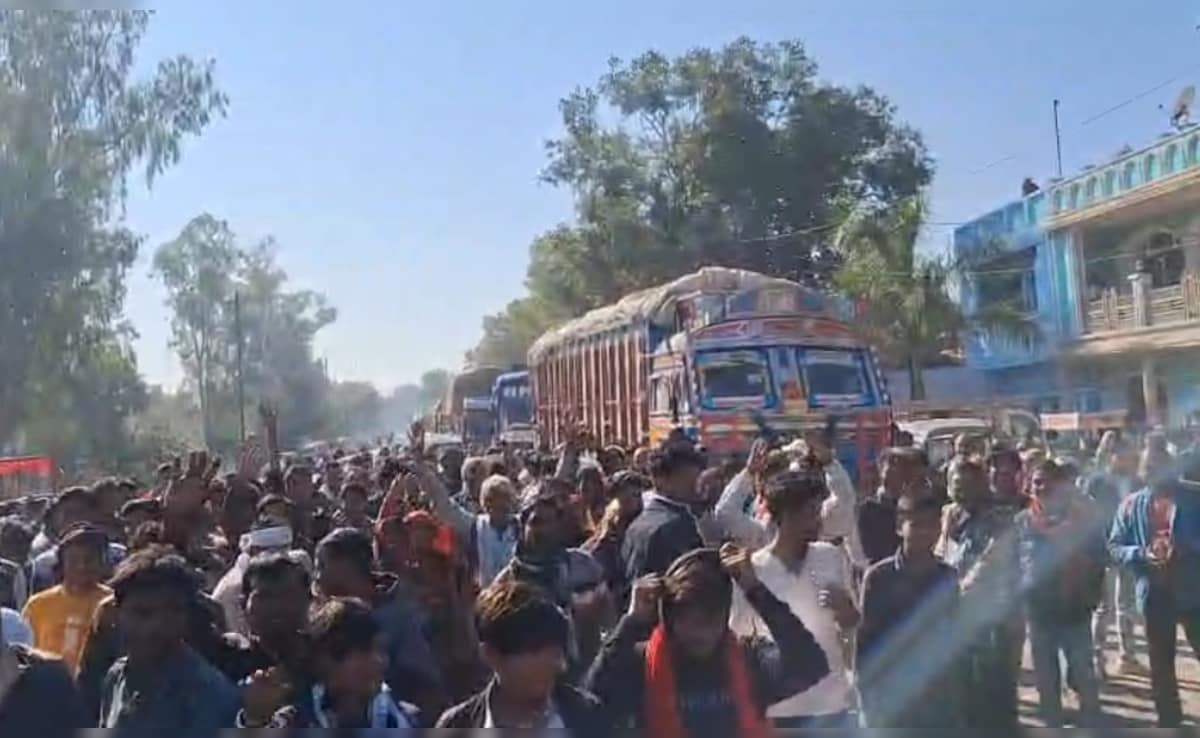
In a powerful display of dissent, thousands of farmers in Punjab are gearing up for a massive protest, their tractors and voices ready to echo through the streets of the state's capital. The bone of contention is the recently announced India-US trade deal, which has ignited a fire of discontent among the agricultural community.
The farmers' anger stems from the fear that this trade agreement will flood the Indian market with subsidized American agricultural products, potentially devastating local farmers' livelihoods. With the deal allowing the US to export wheat, lentils, almonds, and a variety of other agricultural products to India at a reduced tariff, Punjab's farmers worry that their produce will be outpriced and outcompeted.
The protest, scheduled for tomorrow, will see farmers gather in front of the residences of the state's Chief Minister and several other ministers and MLAs. This direct action is a desperate plea for the government to reconsider the trade deal and protect the interests of Indian farmers. "We are not against trade, but it should be fair and equitable," said Baldev Singh, a farmer leader from the region. "The government must ensure that our hard work and investment in agriculture are not undermined by this agreement."
This protest is the latest in a series of demonstrations by Punjab's farmers, who have been at the forefront of agricultural reform movements in India. The state's farmers have historically played a crucial role in shaping agricultural policies, and their protests often spark nationwide discussions on rural issues. As the sun rises over Punjab tomorrow, the farmers' voices will rise with it, demanding a fair deal and a secure future for Indian agriculture. The government's response to this outcry will be pivotal in determining the trajectory of India's agricultural economy and the lives of millions of farmers.
Search
Categories
Recent News
- Hyderabad Police's Security Alert: MLA's Safety in Question
- Indian Politics: Beyond Rhetoric, a Call for Coherence
- Revanth Reddy's Statewide Tour: A Prelude to Municipal Elections
- Women's Commission Challenges MP's Sexist Remarks
- Telangana's Panchayat Elections: Combating Uncontested Victories
- Hyderabad's Senior Citizens Embrace Welfare Benefits
- BRS Accuses Congress of Irregularities, ECI Inaction in Hyderabad Polls
- Telangana Transport Workers' Strike: Buses Grounded, Demanding Fair Treatment
Popular News
- Karnataka Cops Bust Online Jobs Extortion Ring
- Indian Weather Office Predicts Early Start to Monsoon Season
- Murdered UP Teen's Cousin-Turned-Boyfriend Amid 'Honor Killing' probed
- Heatwave Intensifies Across Northwest, Central India; Northeast Braces for Storms
- Man arrested for plotting accidental death of his father