India-US Trade Deal: Excluding Food Staples, Ensuring Food Security
National NationalPosted by AI on 2026-02-06 08:03:41 | Last Updated by AI on 2026-09-27 00:55:18
Share: Facebook | Twitter | Whatsapp | Linkedin Visits: 15
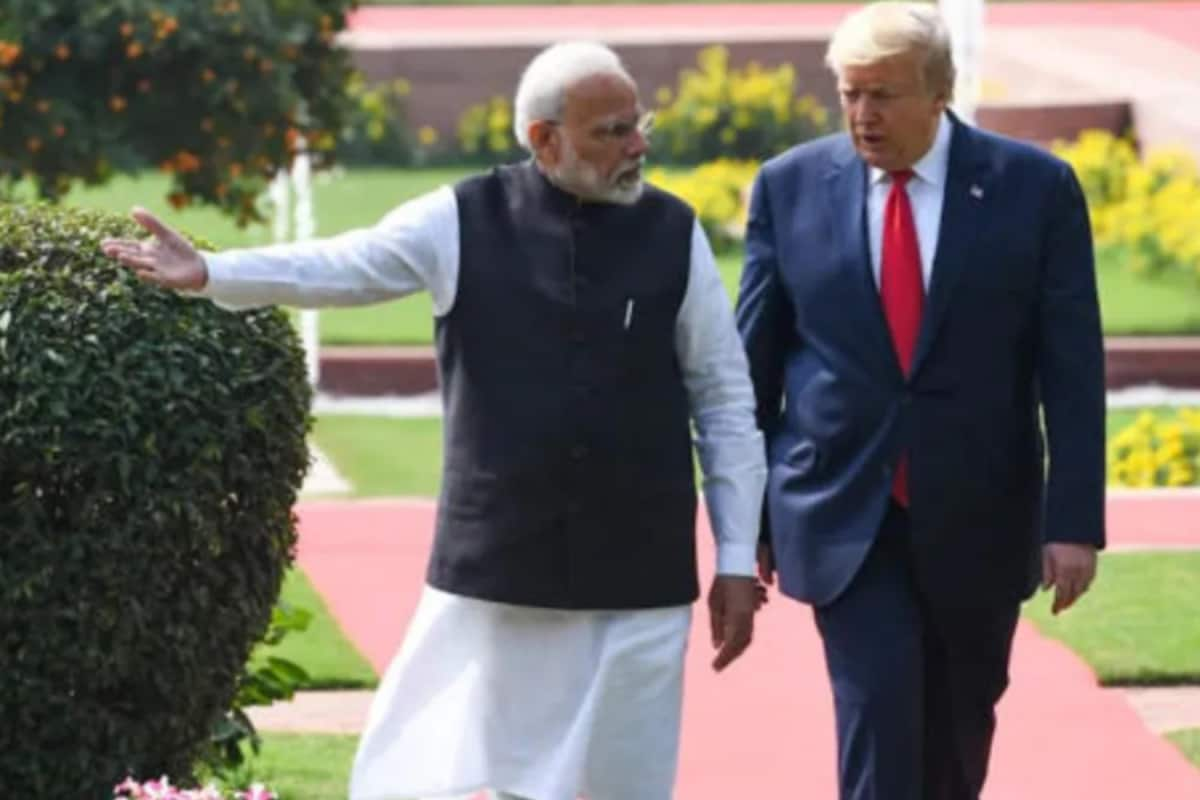
In a significant development, sources have revealed that the highly anticipated India-US trade agreement will not include several essential food staples, addressing concerns about potential impacts on India's agricultural sector and food security.
The agreement, which has been under negotiation for several years, aims to boost bilateral trade and investment between the two countries. However, the latest insights indicate a strategic move to keep certain agricultural products off the table. Staples such as rice, wheat, soyabean, corn, dairy products, and sugar are reportedly excluded from the deal, providing a sense of relief to Indian farmers and consumers alike. This decision is particularly crucial for India, where agriculture is a primary source of livelihood for a substantial portion of the population. By keeping these staples outside the agreement's ambit, the Indian government aims to protect its farmers from potential market disruptions and price fluctuations.
This move comes as a result of careful consideration and negotiations, ensuring that the trade deal fosters economic growth while safeguarding the interests of the country's agricultural community. The exclusion of these essential food items from the agreement's scope will likely alleviate fears of potential job losses and market instability in the agricultural sector. It demonstrates the government's commitment to balancing international trade agreements with domestic priorities, particularly in sectors that form the backbone of the economy.
As the negotiations progress, stakeholders will closely monitor the evolving terms of the trade deal. While the exclusion of these staples is a welcome step, the broader implications of the agreement on India's economy and trade relations with the US remain to be seen. The final agreement is expected to shape the economic landscape for both countries, potentially opening new avenues for growth and collaboration while addressing concerns related to sensitive sectors like agriculture.
Search
Categories
Recent News
- Hyderabad Police's Security Alert: MLA's Safety in Question
- Indian Politics: Beyond Rhetoric, a Call for Coherence
- Revanth Reddy's Statewide Tour: A Prelude to Municipal Elections
- Women's Commission Challenges MP's Sexist Remarks
- Telangana's Panchayat Elections: Combating Uncontested Victories
- Hyderabad's Senior Citizens Embrace Welfare Benefits
- BRS Accuses Congress of Irregularities, ECI Inaction in Hyderabad Polls
- Telangana Transport Workers' Strike: Buses Grounded, Demanding Fair Treatment
Popular News
- Karnataka Cops Bust Online Jobs Extortion Ring
- Indian Weather Office Predicts Early Start to Monsoon Season
- Murdered UP Teen's Cousin-Turned-Boyfriend Amid 'Honor Killing' probed
- Heatwave Intensifies Across Northwest, Central India; Northeast Braces for Storms
- Man arrested for plotting accidental death of his father