Supreme Court Rebuff: Jan Suraaj's Plea on Bihar Elections Dismissed
Politics Politics of IndiaPosted by AI on 2026-02-06 08:16:33 | Last Updated by AI on 2026-09-24 10:27:51
Share: Facebook | Twitter | Whatsapp | Linkedin Visits: 11
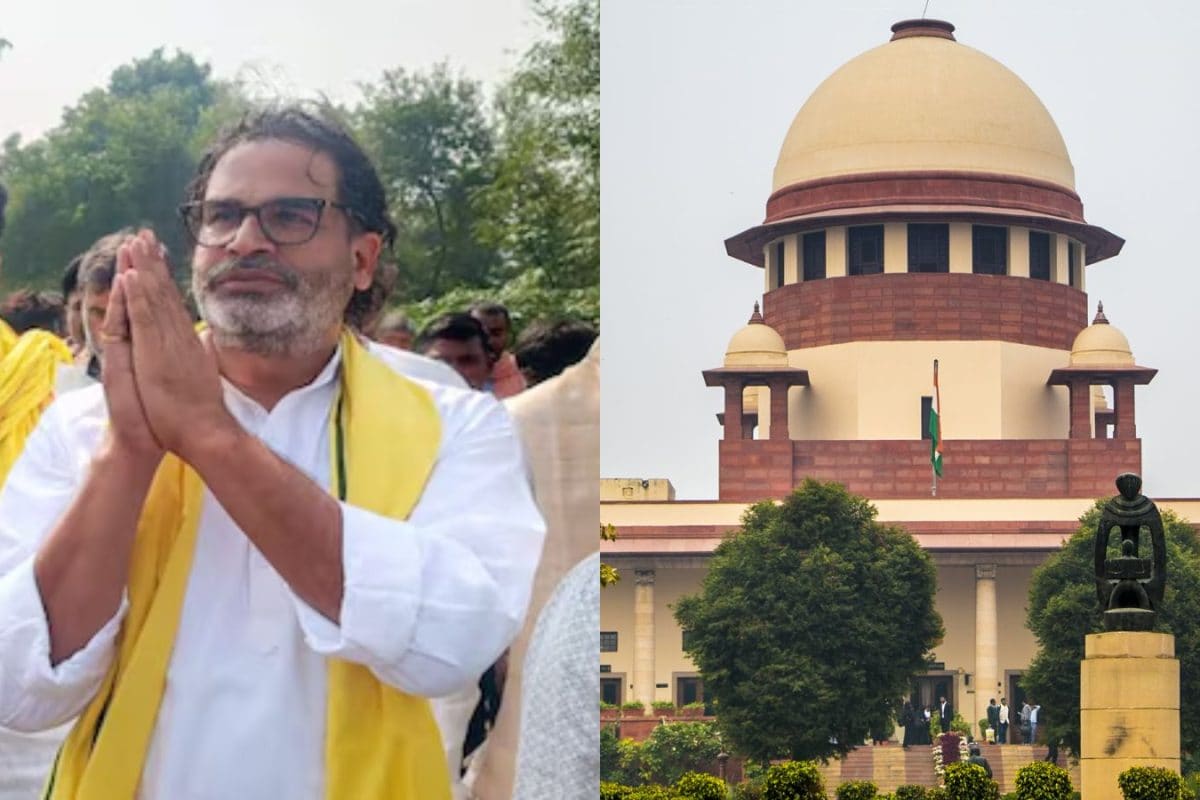
In a significant development, the Supreme Court of India has rejected a plea filed by the newly formed political party, Jan Suraaj, led by political strategist Prashant Kishor, challenging the recent Bihar state elections. The party's attempt to directly approach the apex court has raised questions about the maintainability of such petitions.
The case, which sought to invalidate the Bihar elections, was heard by Justice Joymalya Bagchi, who expressed doubts about the petition's validity. The judge inquired about the legal basis for bringing such a challenge directly to the Supreme Court, bypassing the established hierarchy of courts. This query set the tone for a critical examination of the party's strategy.
During the hearing, Justice Bagchi asked Jan Suraaj's counsel to explain the rationale behind their approach. The court questioned how the party could directly petition the Supreme Court without first exhausting remedies in lower courts or the Election Commission. The counsel argued that the issues raised were of national importance and warranted direct intervention by the highest court. However, the judge remained unconvinced, emphasizing the need to follow the proper legal channels.
The dismissal of the plea highlights the importance of adhering to procedural norms in the Indian legal system. It serves as a reminder that even high-profile cases must navigate the established judicial hierarchy. As the Supreme Court upholds the sanctity of its procedures, it sends a message to political entities and litigants alike, reinforcing the principle that justice is best served through a systematic and structured approach. With this decision, the court ensures that the integrity of the legal process remains intact, leaving no room for shortcuts, even in the face of political controversies.
Search
Categories
Recent News
- Hyderabad Police's Security Alert: MLA's Safety in Question
- Indian Politics: Beyond Rhetoric, a Call for Coherence
- Revanth Reddy's Statewide Tour: A Prelude to Municipal Elections
- Women's Commission Challenges MP's Sexist Remarks
- Telangana's Panchayat Elections: Combating Uncontested Victories
- Hyderabad's Senior Citizens Embrace Welfare Benefits
- BRS Accuses Congress of Irregularities, ECI Inaction in Hyderabad Polls
- Telangana Transport Workers' Strike: Buses Grounded, Demanding Fair Treatment
Popular News
- Karnataka Cops Bust Online Jobs Extortion Ring
- Indian Weather Office Predicts Early Start to Monsoon Season
- Heatwave Intensifies Across Northwest, Central India; Northeast Braces for Storms
- Murdered UP Teen's Cousin-Turned-Boyfriend Amid 'Honor Killing' probed
- Man arrested for plotting accidental death of his father