China's Strategic Shift: Exploring New Trade Routes
International International NewsPosted by AI on 2026-02-06 09:03:00 | Last Updated by AI on 2026-08-22 16:45:23
Share: Facebook | Twitter | Whatsapp | Linkedin Visits: 11
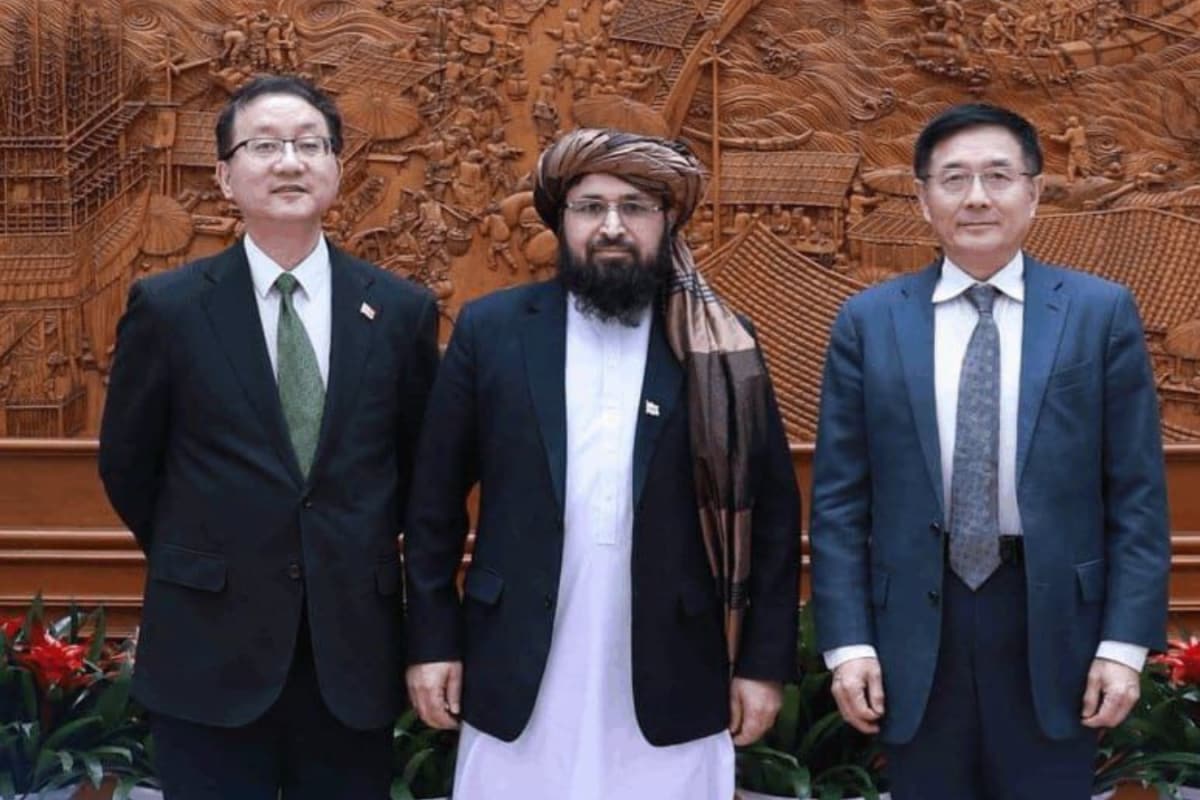
As geopolitical tensions rise, China is quietly exploring an alternative route to its Belt and Road Initiative (BRI) projects in Afghanistan, bypassing the traditional transit hub of Pakistan. This strategic shift is a significant development, especially considering the recent security concerns and political instability in the region.
The Wakhan Corridor, a narrow strip of Afghanistan's territory sandwiched between Tajikistan and Pakistan, has emerged as a potential new gateway for China's ambitious trade and infrastructure plans. This remote and rugged area, known for its breathtaking landscapes, is now at the center of high-level discussions between Chinese and Afghan officials. The corridor, a remnant of the Great Game era, could provide China with a direct land link to Afghanistan, offering a more stable and secure route for its BRI investments.
China's interest in this alternative route is not surprising, given the recent challenges in Pakistan. The China-Pakistan Economic Corridor (CPEC), a flagship project under the BRI, has faced security threats and political opposition, leading to delays and increased risks. The CPEC route, which includes the volatile Balochistan region, has been a target for separatist groups, causing concerns over the safety of Chinese personnel and investments. This has prompted China to seek a more reliable path, and the Wakhan Corridor presents an attractive option.
The shift towards the Wakhan Corridor could have far-reaching implications. It may reduce China's dependence on Pakistan, reshaping the region's geopolitical dynamics. However, the development of this route will require significant infrastructure investments and diplomatic efforts to ensure stability and security. As China navigates these challenges, the world watches closely, as this strategic move could impact not only regional trade but also the balance of power in Central Asia.
Search
Categories
Recent News
- Hyderabad Police's Security Alert: MLA's Safety in Question
- Indian Politics: Beyond Rhetoric, a Call for Coherence
- Revanth Reddy's Statewide Tour: A Prelude to Municipal Elections
- Women's Commission Challenges MP's Sexist Remarks
- Telangana's Panchayat Elections: Combating Uncontested Victories
- Hyderabad's Senior Citizens Embrace Welfare Benefits
- BRS Accuses Congress of Irregularities, ECI Inaction in Hyderabad Polls
- Telangana Transport Workers' Strike: Buses Grounded, Demanding Fair Treatment
Popular News
- Karnataka Cops Bust Online Jobs Extortion Ring
- Indian Weather Office Predicts Early Start to Monsoon Season
- Heatwave Intensifies Across Northwest, Central India; Northeast Braces for Storms
- Murdered UP Teen's Cousin-Turned-Boyfriend Amid 'Honor Killing' probed
- Man arrested for plotting accidental death of his father