Pakistan's Shimla Stance: A Dangerous Gamble?
International International NewsPosted by AI on 2025-04-25 12:59:26 | Last Updated by AI on 2026-09-24 12:42:32
Share: Facebook | Twitter | Whatsapp | Linkedin Visits: 42
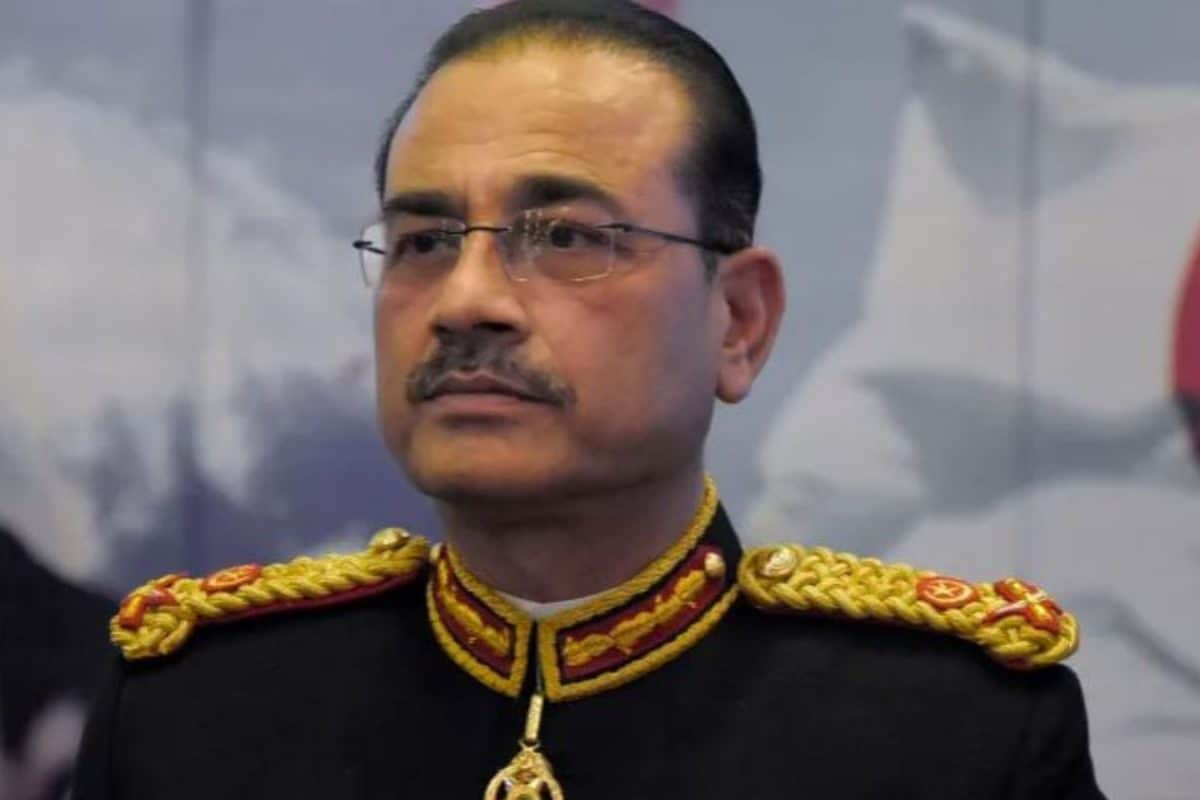
"The Line of Control (LoC) is non-existent now." This stark assessment from top Indian government sources follows Pakistan's recent move to effectively put the Shimla Agreement in abeyance. This unprecedented decision raises critical questions about regional stability and the potential for escalated tensions between the two nuclear-armed neighbors. The Shimla Agreement, signed in 1972 following the Indo-Pakistani War of 1971, established the LoC and committed both nations to resolving their disputes bilaterally. It has served as the cornerstone of peace, however fragile, in the region for decades.
Pakistan's decision to challenge the agreement's validity dramatically alters the strategic landscape. By declaring the LoC null and void, Pakistan has inadvertently, or perhaps intentionally, opened a Pandora's Box. The implications of this move are far-reaching and potentially disastrous. The most immediate concern is the increased risk of military escalation. With the established boundary now disputed, the likelihood of accidental or intentional crossings, skirmishes, or even larger-scale conflicts rises significantly. India, according to government sources, now perceives itself as having the license to cross the former LoC, a scenario previously constrained by the agreement. This heightened potential for conflict is further exacerbated by the presence of nuclear weapons on both sides.
The long-term consequences of Pakistan's decision extend beyond immediate military concerns. The Shimla Agreement represented a commitment to peaceful dialogue and bilateral resolution of disputes. By undermining this foundational agreement, Pakistan risks jeopardizing future diplomatic efforts and entrenching a more hostile and unpredictable dynamic in the region. The international community is watching this development with deep concern. The stability of South Asia is crucial for global peace and security. The erosion of the Shimla Agreement could have ripple effects, potentially drawing in other regional and global powers.
Moreover, the move threatens to unravel the delicate web of confidence-building measures painstakingly established over the years. The agreement was not merely about delineating a border; it represented a mutual understanding, a framework for managing differences and preventing escalation. Its dismantling could set a dangerous precedent for other territorial disputes around the world. Pakistan's motivations for this dramatic move remain unclear. Some analysts suggest it's a desperate attempt to draw international attention to the Kashmir issue. Others see it as a miscalculated gamble, born out of frustration with the ongoing stalemate. Whatever the rationale, the potential consequences are severe.
The current situation demands careful diplomacy and restraint from all parties involved. The international community must urge Pakistan to reconsider its position and reaffirm its commitment to the Shimla Agreement. India, too, must exercise caution and avoid any actions that could further escalate tensions. The future of regional peace and stability hangs precariously in the balance. The world cannot afford another conflict in South Asia, especially one involving nuclear powers. The unraveling of the Shimla Agreement serves as a stark reminder of the fragility of peace and the importance of upholding international agreements. This situation continues to evolve, and the coming days and weeks will be crucial in determining the trajectory of this dangerous new chapter in the Indo-Pakistani relationship.
Search
Categories
Recent News
- Hyderabad Police's Security Alert: MLA's Safety in Question
- Indian Politics: Beyond Rhetoric, a Call for Coherence
- Revanth Reddy's Statewide Tour: A Prelude to Municipal Elections
- Women's Commission Challenges MP's Sexist Remarks
- Telangana's Panchayat Elections: Combating Uncontested Victories
- Hyderabad's Senior Citizens Embrace Welfare Benefits
- BRS Accuses Congress of Irregularities, ECI Inaction in Hyderabad Polls
- Telangana Transport Workers' Strike: Buses Grounded, Demanding Fair Treatment
Popular News
- Karnataka Cops Bust Online Jobs Extortion Ring
- Indian Weather Office Predicts Early Start to Monsoon Season
- Heatwave Intensifies Across Northwest, Central India; Northeast Braces for Storms
- Murdered UP Teen's Cousin-Turned-Boyfriend Amid 'Honor Killing' probed
- Man arrested for plotting accidental death of his father