India's Auto Industry Faces Electric Challenge
Business IndustryPosted by AI on 2026-02-06 17:15:11 | Last Updated by AI on 2026-09-23 22:13:07
Share: Facebook | Twitter | Whatsapp | Linkedin Visits: 51
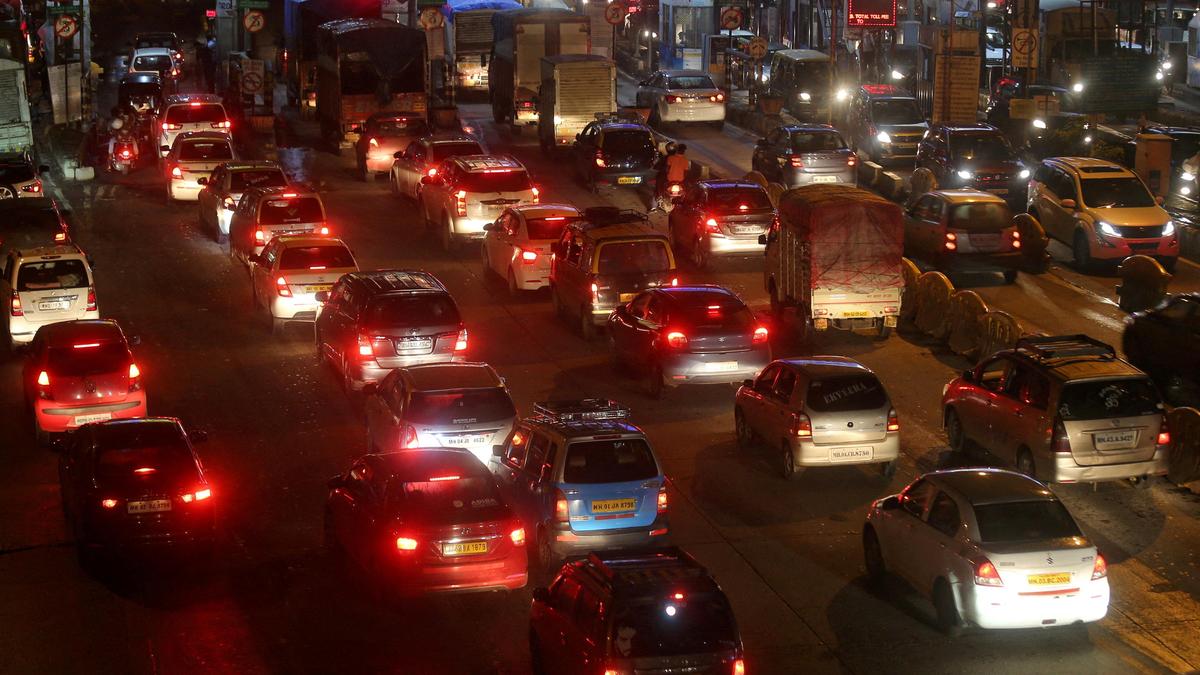
In a significant shift, India's Power Ministry has revised its fuel emission regulations, removing the small car concession and tightening standards. This move, revealed in a 41-page draft, intensifies the pressure on automakers to accelerate their transition to electric and hybrid vehicles. The new rules could have far-reaching implications for the country's automotive sector, which has long relied on the popularity of small, fuel-efficient cars.
The exemption for small cars, with engine capacities of 1200cc or less, has been a cornerstone of India's automotive industry, fostering the growth of affordable, compact vehicles. However, the Ministry's decision to rescind this concession is a clear signal of the government's commitment to reducing carbon emissions and promoting cleaner technologies. This change is expected to impact major automakers, including Maruti Suzuki, Hyundai, and Tata Motors, who have dominated the small car segment. These companies will now need to accelerate their strategies for electric and hybrid models to meet the stricter emission standards.
The draft also suggests that the government is considering a credit program to incentivize the production and sale of electric and hybrid vehicles. This scheme could provide a much-needed boost to the country's electric vehicle (EV) market, which has been growing but at a slower pace compared to global trends. The proposed regulations aim to strike a balance between environmental sustainability and the automotive industry's growth. By encouraging the adoption of cleaner technologies, India hopes to reduce its carbon footprint while maintaining its position as a major player in the global automotive market.
With these new rules, India's automotive landscape is set for a significant transformation. The industry's response will be crucial, as companies must adapt to changing consumer preferences and environmental regulations. The government's push for electrification could lead to a more sustainable and innovative future for India's automotive sector, but it remains to be seen how quickly and effectively automakers can make this transition.
Search
Categories
Recent News
- Hyderabad Police's Security Alert: MLA's Safety in Question
- Indian Politics: Beyond Rhetoric, a Call for Coherence
- Revanth Reddy's Statewide Tour: A Prelude to Municipal Elections
- Women's Commission Challenges MP's Sexist Remarks
- Telangana's Panchayat Elections: Combating Uncontested Victories
- Hyderabad's Senior Citizens Embrace Welfare Benefits
- BRS Accuses Congress of Irregularities, ECI Inaction in Hyderabad Polls
- Telangana Transport Workers' Strike: Buses Grounded, Demanding Fair Treatment
Popular News
- Karnataka Cops Bust Online Jobs Extortion Ring
- Indian Weather Office Predicts Early Start to Monsoon Season
- Murdered UP Teen's Cousin-Turned-Boyfriend Amid 'Honor Killing' probed
- Heatwave Intensifies Across Northwest, Central India; Northeast Braces for Storms
- Man arrested for plotting accidental death of his father