Kerala Waqf Board Accuses JPC of Exclusion in Supreme Court
National NationalPosted by AI on 2025-04-25 13:13:15 | Last Updated by AI on 2026-09-25 19:45:23
Share: Facebook | Twitter | Whatsapp | Linkedin Visits: 40
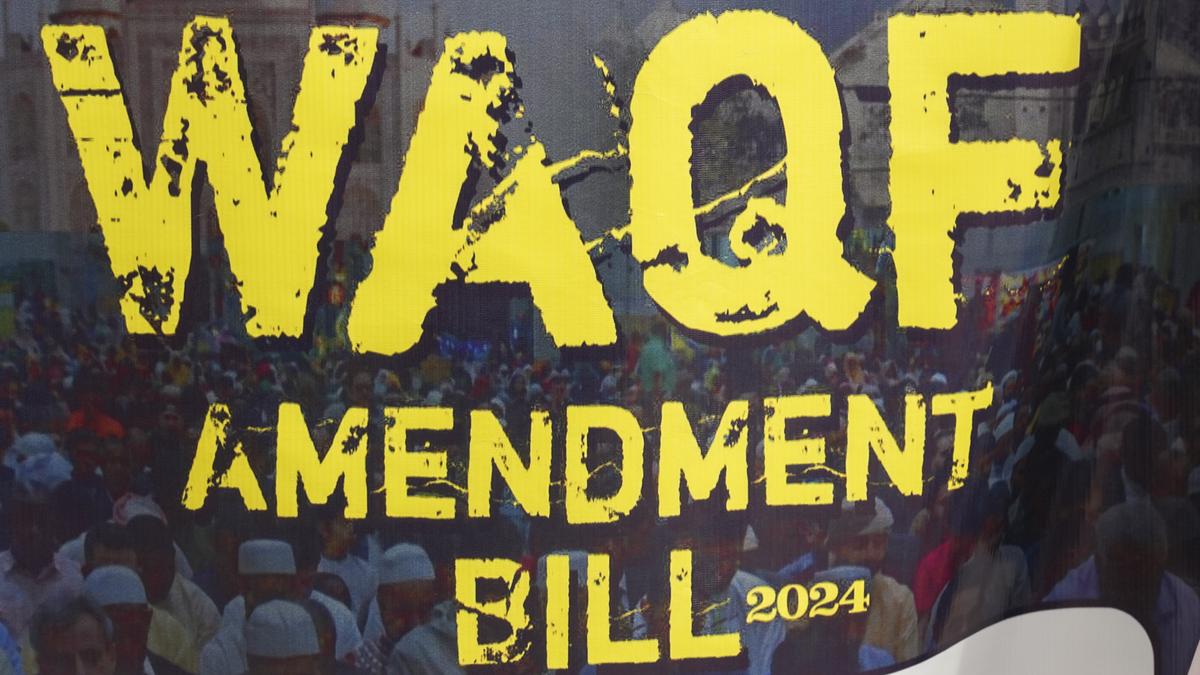
Has the Joint Parliamentary Committee overlooked a crucial voice in its deliberations? The Kerala State Waqf Board has approached the Supreme Court, alleging it was "completely ignored" by the JPC, raising concerns about the committee's inclusivity and potential discrimination against stakeholders and beneficiaries in Kerala.
The Waqf Board's petition contends that their exclusion from the JPC's consultations constitutes a significant oversight, potentially undermining the committee's ability to comprehensively address matters concerning Waqf properties and the interests of the Muslim community in Kerala. They argue that this lack of representation deprives them of a vital platform to voice their concerns, offer insights, and contribute to informed decision-making. The Board emphasizes the importance of diverse perspectives in parliamentary processes, particularly when dealing with sensitive issues impacting specific communities. They maintain that their exclusion sets a concerning precedent, potentially marginalizing other stakeholders in future consultations.
The petition details specific instances where the Board attempted to engage with the JPC but received no response. They allege a systematic disregard for their requests for participation, raising questions about the fairness and transparency of the committee's procedures. The Board highlights the unique context of Waqf administration in Kerala, arguing that their expertise and understanding of local nuances are crucial for effective policy formulation. They contend that the JPC's failure to consider their perspective undermines the credibility of its findings and recommendations.
The Supreme Court's intervention is now sought to address this perceived injustice. The Kerala Waqf Board hopes the court will direct the JPC to include their representation, ensuring their voice is heard and their concerns are addressed. This legal challenge underscores the importance of inclusive and participatory processes in parliamentary committees, particularly when dealing with matters impacting specific communities and regions.
The outcome of this case carries significant weight. It could reshape how parliamentary committees conduct consultations, emphasizing the need for broader stakeholder engagement and greater transparency in their proceedings. The Supreme Court's decision will not only affect the Kerala Waqf Board but could also set a precedent for future instances where marginalized communities seek greater inclusion in policy-making processes. The case underscores the vital role of the judiciary in safeguarding the rights of all stakeholders and ensuring that their voices are heard in the halls of power. It remains to be seen how the Supreme Court will address this critical issue of representation and inclusivity.
Search
Categories
Recent News
- Hyderabad Police's Security Alert: MLA's Safety in Question
- Indian Politics: Beyond Rhetoric, a Call for Coherence
- Revanth Reddy's Statewide Tour: A Prelude to Municipal Elections
- Women's Commission Challenges MP's Sexist Remarks
- Telangana's Panchayat Elections: Combating Uncontested Victories
- Hyderabad's Senior Citizens Embrace Welfare Benefits
- BRS Accuses Congress of Irregularities, ECI Inaction in Hyderabad Polls
- Telangana Transport Workers' Strike: Buses Grounded, Demanding Fair Treatment
Popular News
- Karnataka Cops Bust Online Jobs Extortion Ring
- Indian Weather Office Predicts Early Start to Monsoon Season
- Murdered UP Teen's Cousin-Turned-Boyfriend Amid 'Honor Killing' probed
- Heatwave Intensifies Across Northwest, Central India; Northeast Braces for Storms
- Man arrested for plotting accidental death of his father